Throughout my life, I have journeyed across the globe, often settling in quiet destinations for weeks or even months at a time to experience the true texture of everyday life. Among all the places I have stayed, Fukuoka remains one of the most deeply memorable.
I originally arrived in Fukuoka simply seeking a quiet travel destination. Yet, I was so captivated by the gentle rhythm of the city that a short trip turned into an entire year of living there.
While Fukuoka is celebrated internationally for its incredible culinary scene, what makes it truly exceptional is its quiet spaces—from calm pockets woven into the center of the metropolis to the tranquil countryside and soothing seaside communities just a short drive away.
From the Author’s Bookshelf:
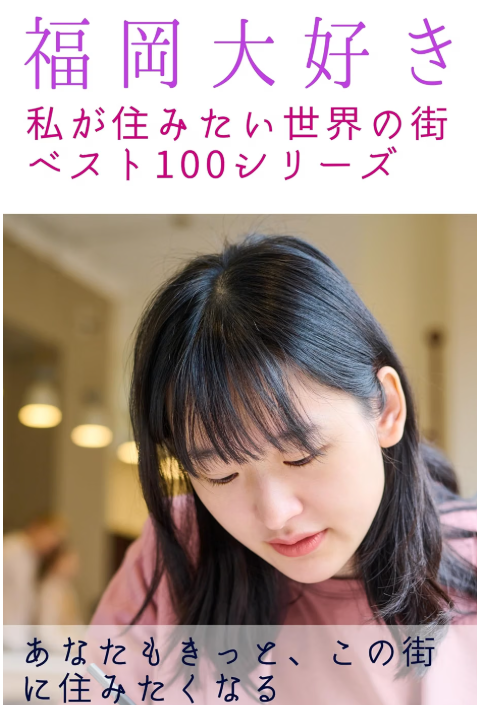
Drawing from my time living here and extensive local research, I recently co-authored a guide dedicated to the charms, quiet residential pockets, and daily textures of this historic merchant city:
Below, I’d love to share some of my favorite places to spend an unhurried, peaceful time in Fukuoka. May this serve as a quiet guide for your own restorative journey.
- 1. Ohori Park: A Daily Sanctuary in the City’s Heart
- 2. Coastal Breathing: Sea Breeze and Honest Craftsmanship
- 3. Yame: Tea Terraces and Historic Craft Along Shaded Canals
- 4. Tsuyazaki Sengen: Historic Traces in an Old Port Town
- 5. Accommodation Choices: Vacation Rentals and the Stillness of Ryokan
- Finding Space in Northern Kyushu
1. Ohori Park: A Daily Sanctuary in the City’s Heart
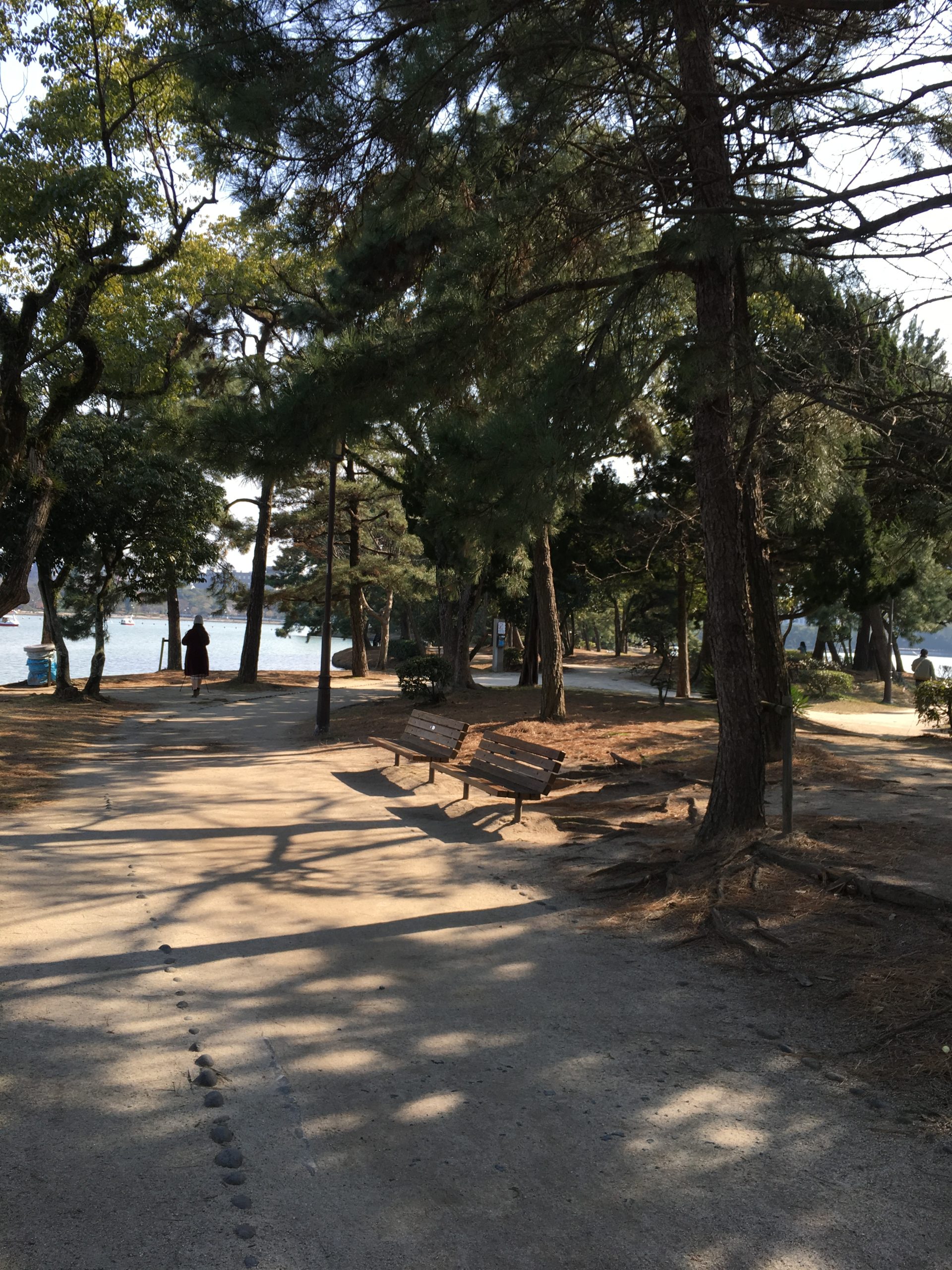
During the year I lived in Fukuoka, Ohori Park became my daily sanctuary. I walked its paths almost every single day.
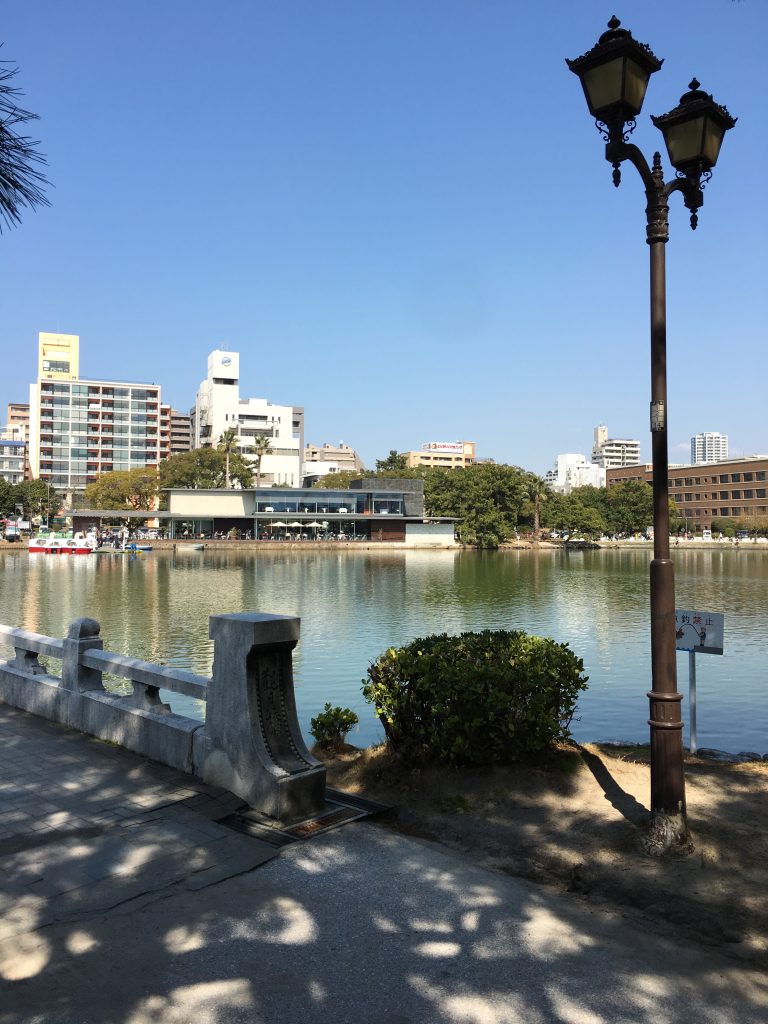
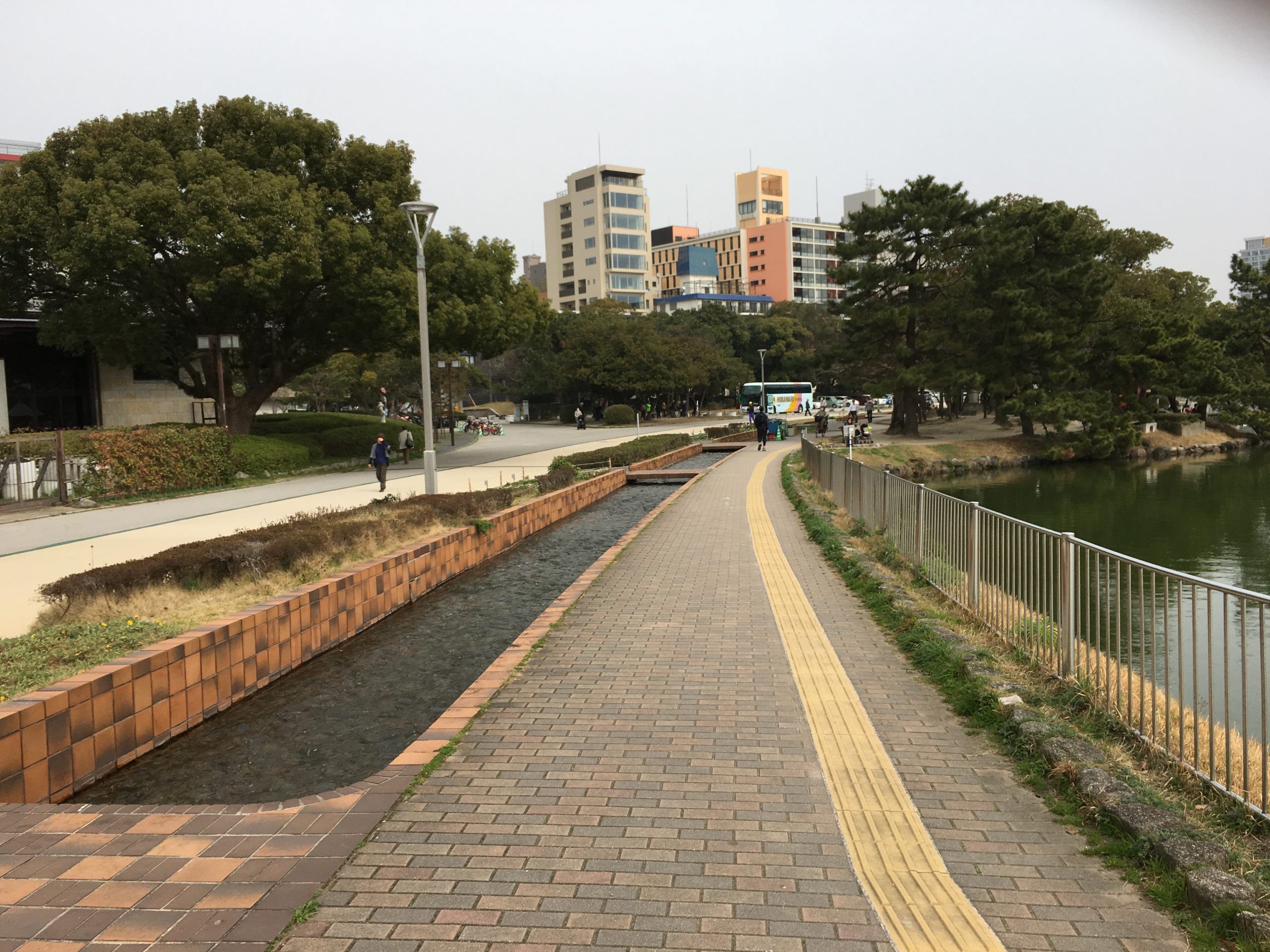
Located within walking distance of Tenjin—the bustling commercial core of Fukuoka—the park sits squarely in the middle of the metropolis. Yet, despite being surrounded by modern city life, it remains a thriving haven for nature, where migratory waterbirds soar overhead and natural wildlife thrives alongside local residents.
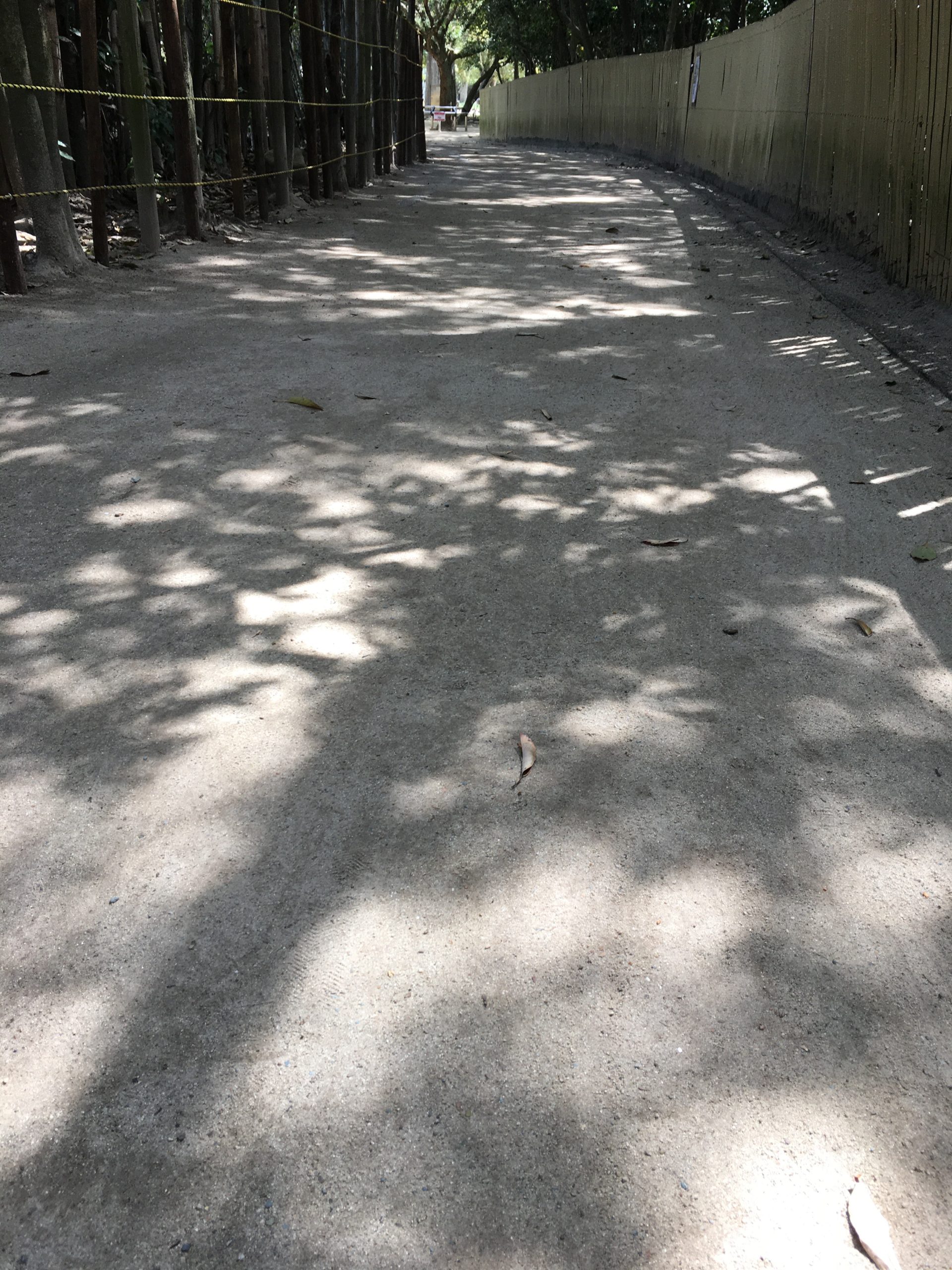
Even in the deep stillness of three in the morning, the wide promenade holds a gentle sense of safety. You might see an office worker quietly unwinding with a late-night stroll after a demanding shift, or a dedicated early riser beginning their morning run beneath the streetlamps.
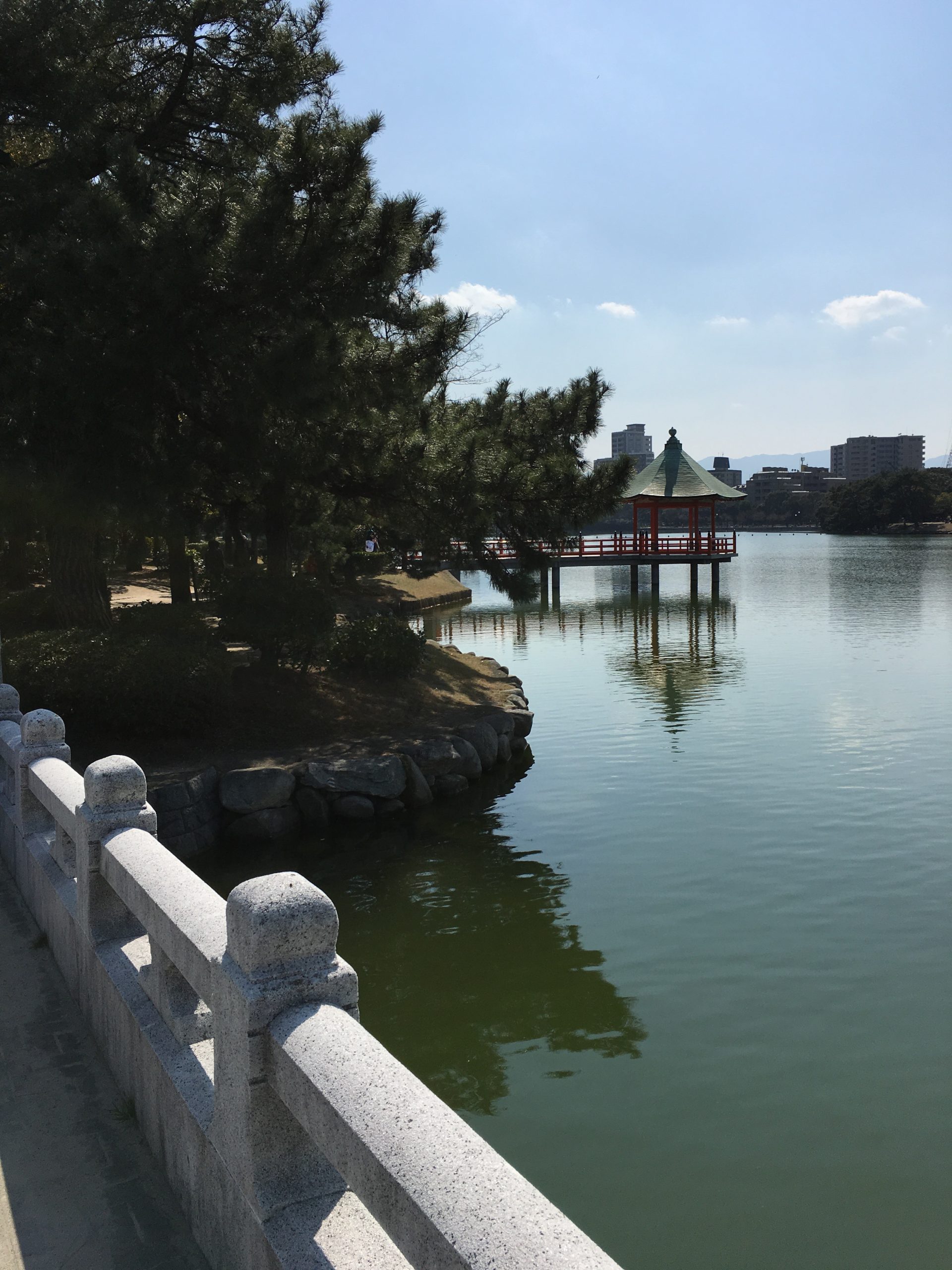
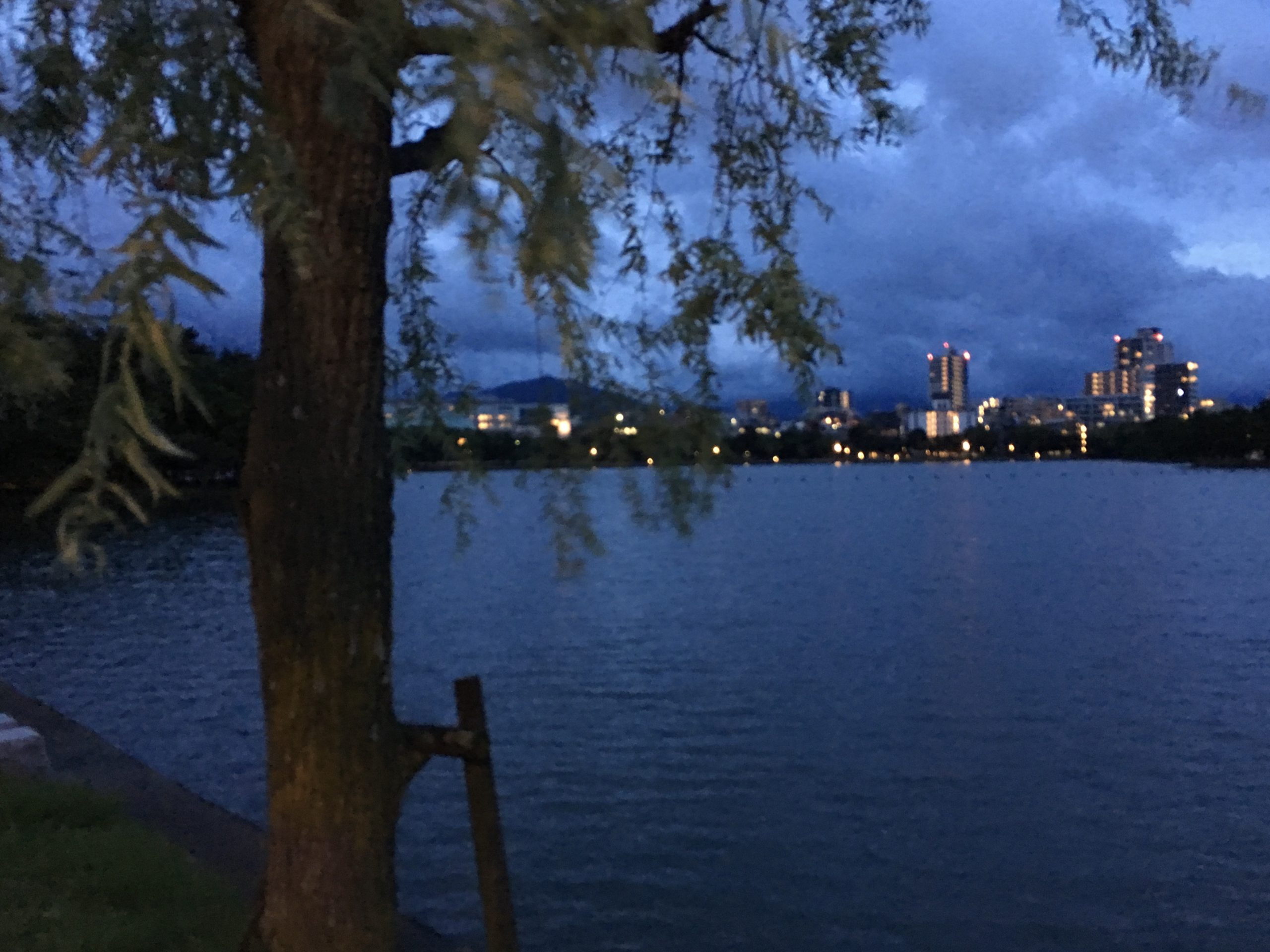
At the center of the park lies a grand, reflective lake, crossed by a stone bridge that weaves through several small, willow-shaded islands. Walking across these central islands is where you feel the deepest quietude. The ambient hum of the surrounding traffic completely falls away, replaced by the soft lap of water and the clean scent of open air.
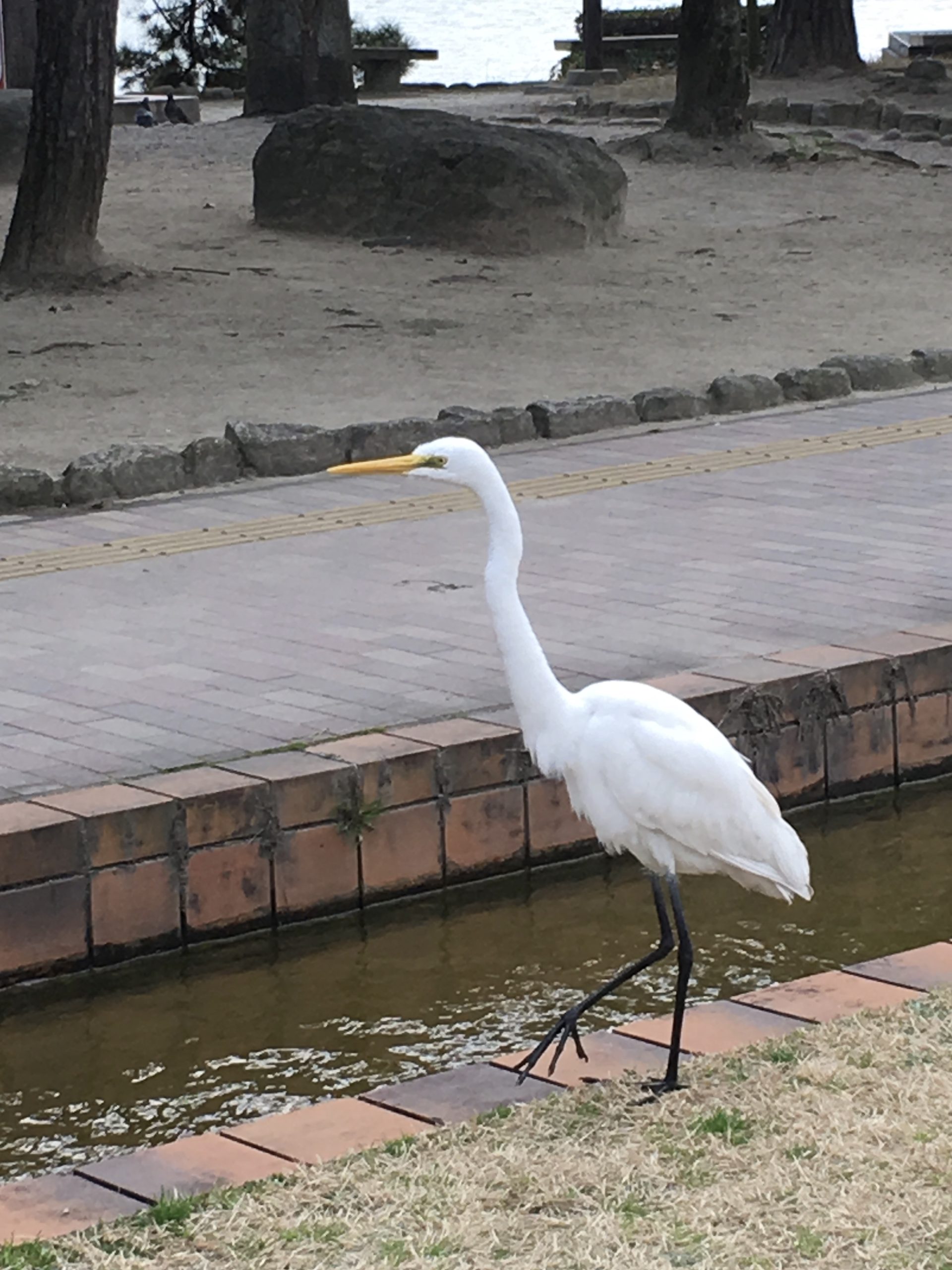
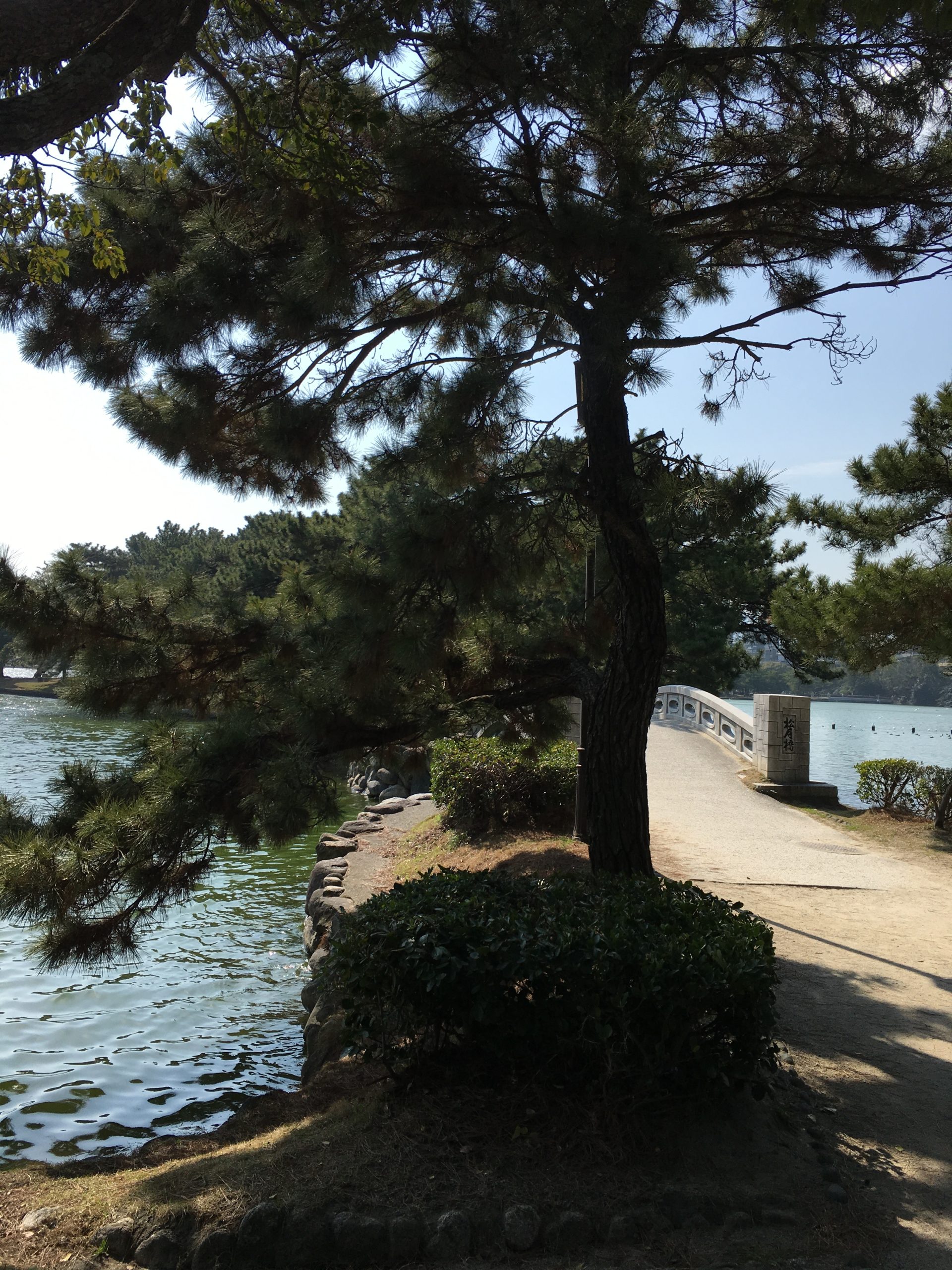
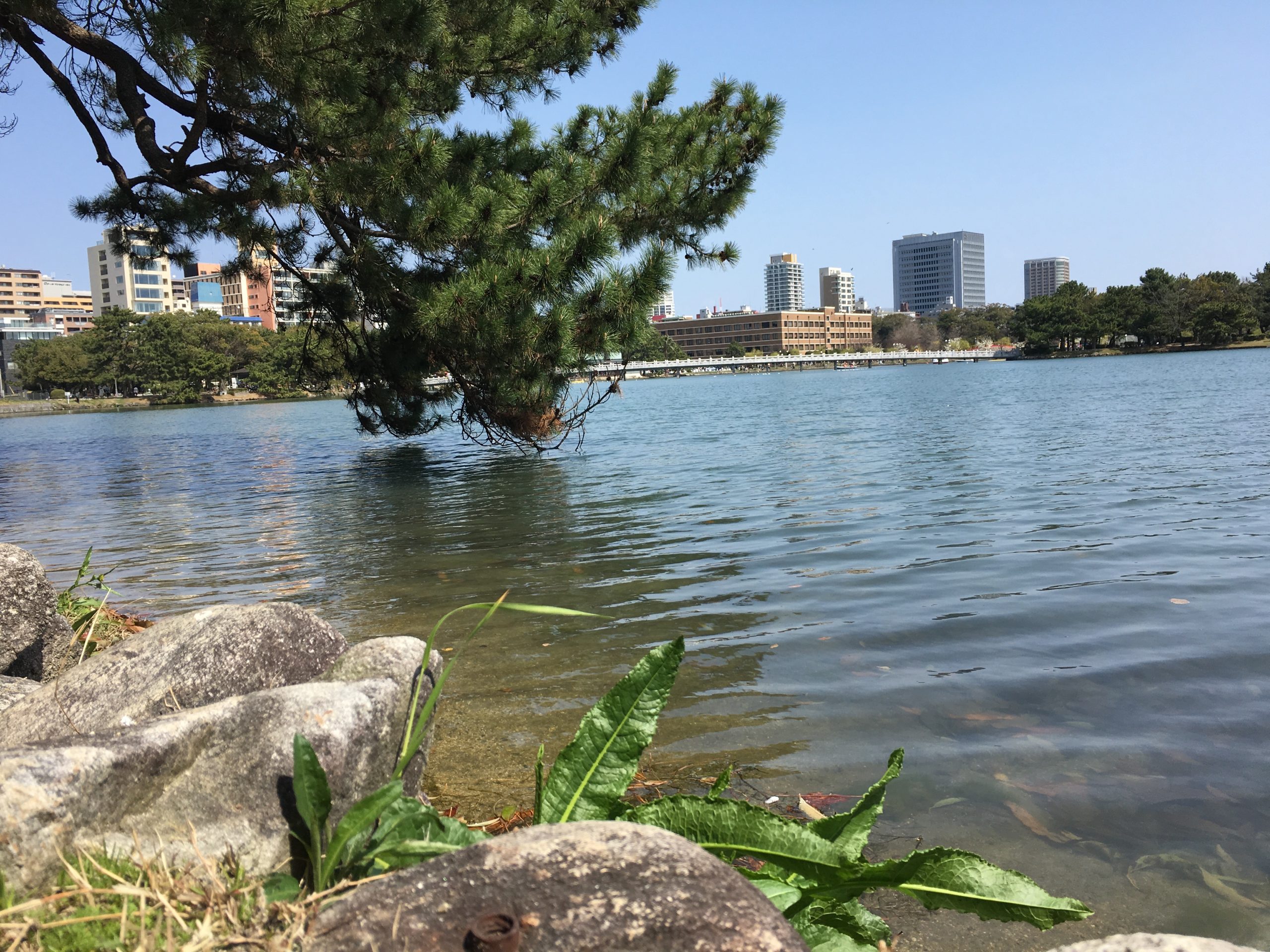
Because I walked there every morning, the park’s wildlife gradually grew familiar with me. Large waterbirds would glide right over to the edge, tilting their heads with a curious, gentle trust as if greeting an old friend. In the springtime, I would often stop on my walk just to watch mother ducks swimming across the water, with a neat, disciplined row of newly hatched ducklings paddling close behind.
For many years, my morning habit has been to step outside early, feeling the cool morning air and listening to the natural world awaken. In Fukuoka, having Ohori Park right within reach meant that this quiet, grounding luxury was effortlessly woven into daily life.
2. Coastal Breathing: Sea Breeze and Honest Craftsmanship
While coastal spots like Itoshima have gained popularity for seaside drives, moving past the busier stretches reveals the calm, unhurried rhythm of Fukuoka’s shoreline hamlets and coastal parks like Odo.
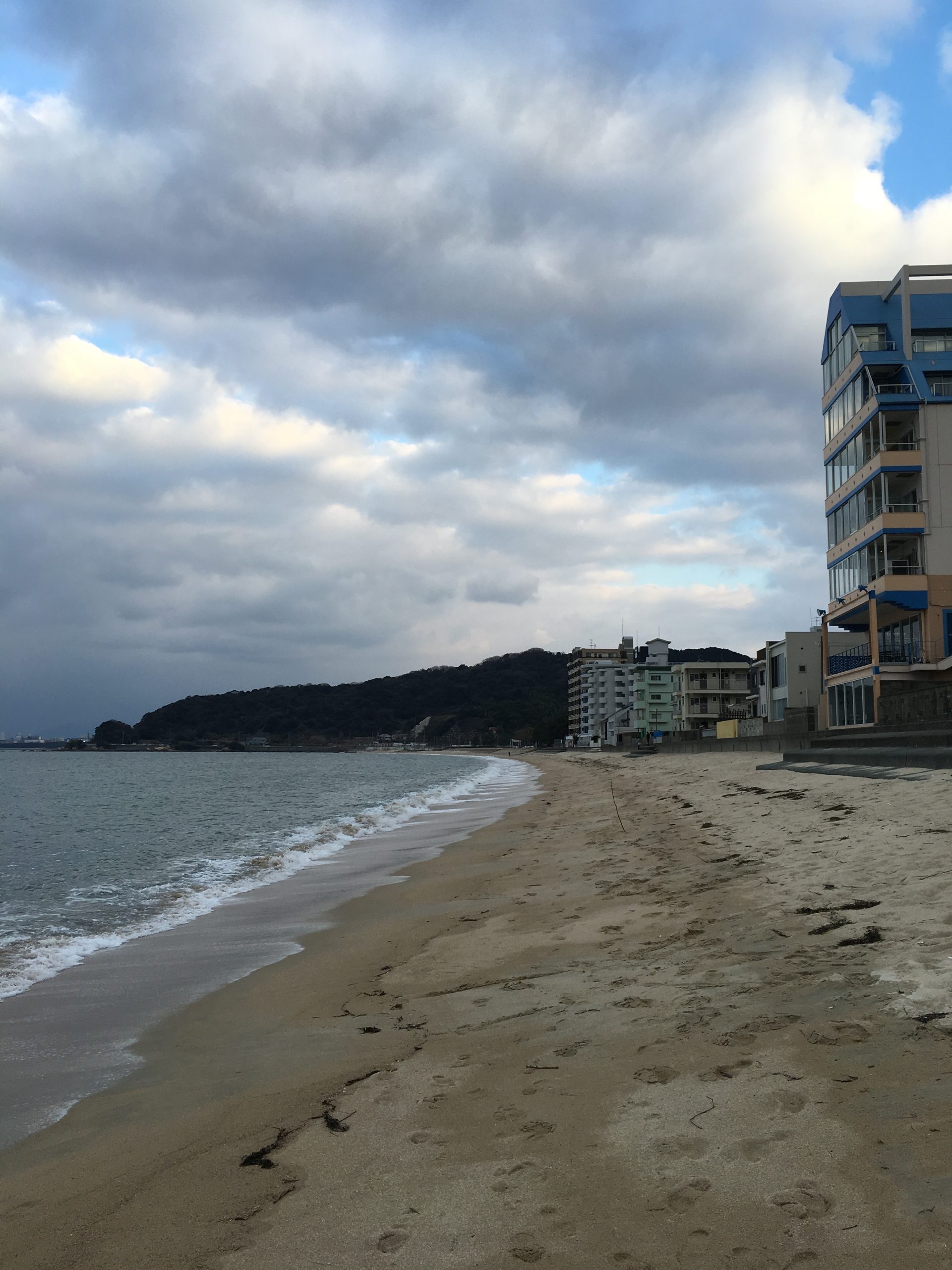
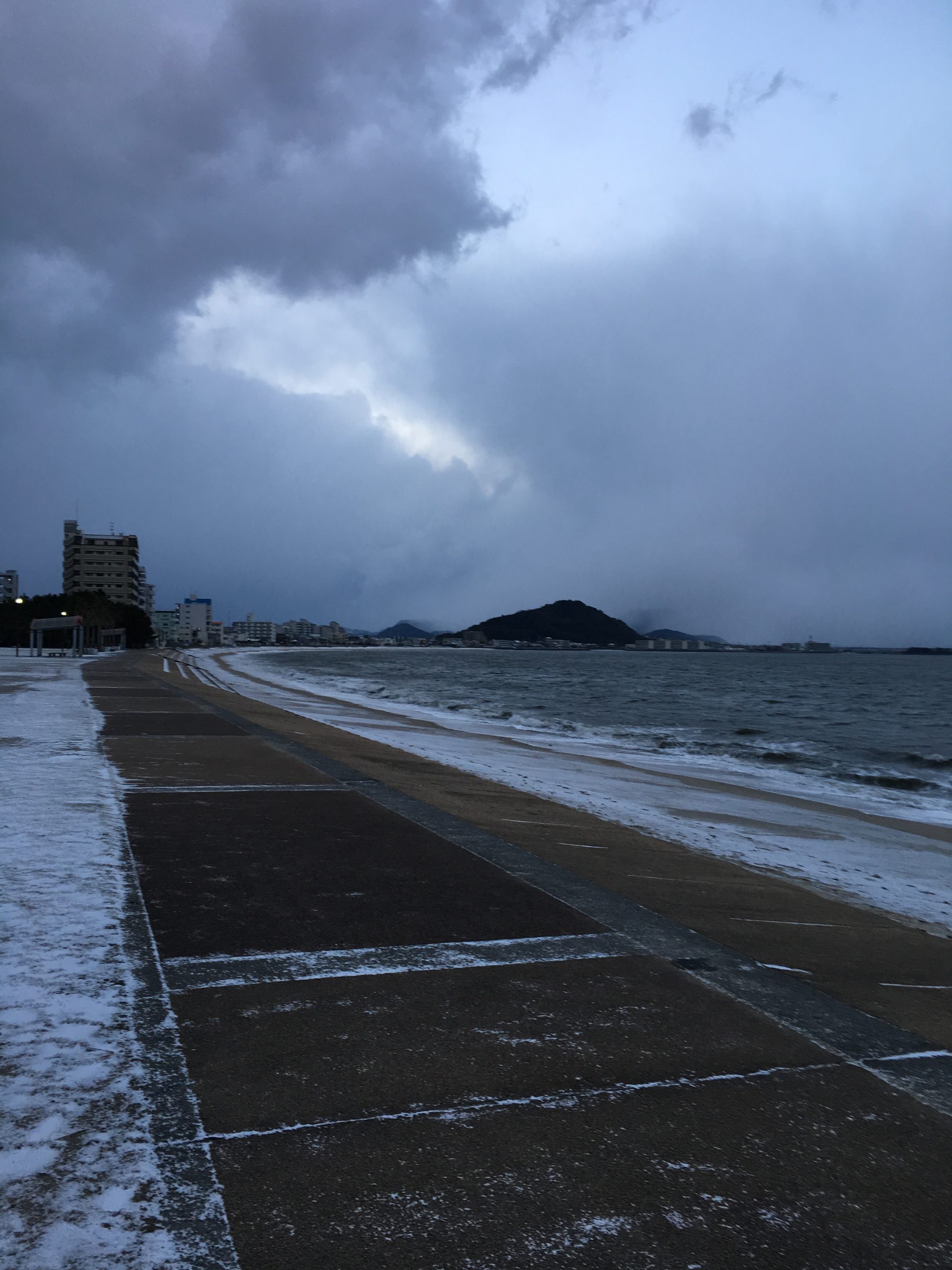
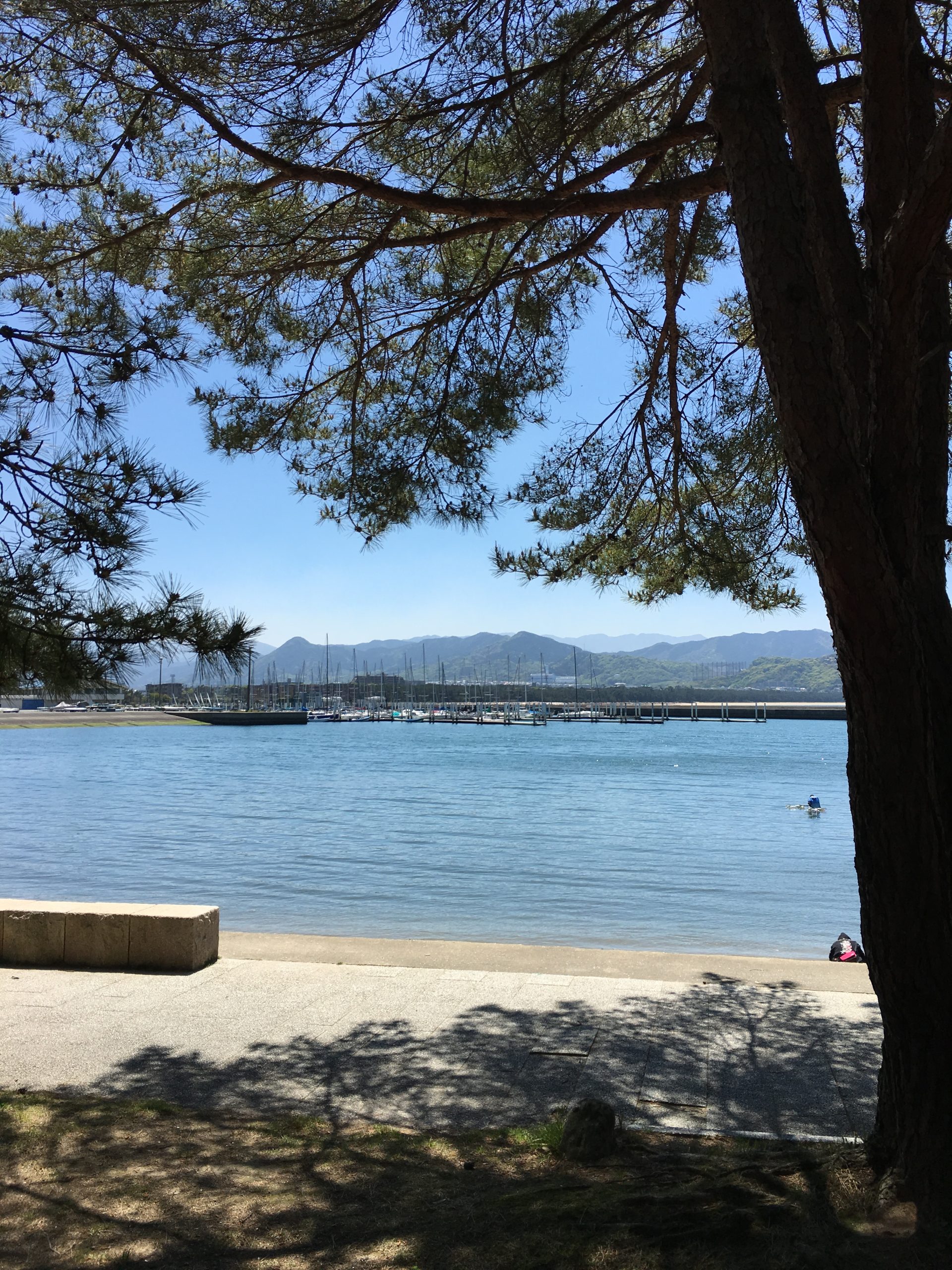
- Coastal Pine Groves and Open Tides: The sound of steady waves and the salt-tinged breeze through windbreak pines create an ideal setting for reading, writing, or simply watching the water shift under changing skies.
- Tucked-Away Artisan Studios: Drawn by coastal light and natural space, independent potters, woodworkers, and weavers maintain quiet residential workshops where one can appreciate thoughtful, functional objects.
- Grounded Daily Cooking: Sourcing fresh fish directly from small fishing ports alongside farm-fresh regional vegetables anchors your stay in the simple pleasure of daily preparation.
3. Yame: Tea Terraces and Historic Craft Along Shaded Canals
Traveling south from central Fukuoka leads into the gentle foothill basins of Yame, revered throughout Japan for its exceptional shaded green teas.
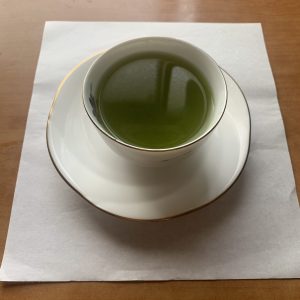
- Misty Slopes of Hoshino and Kurogi: Terraced tea plots climb the mist-shrouded mountain slopes. Taking the time to sip slowly brewed, warm Gyokuro while gazing over quiet ridges brings an immediate sense of stillness.
- Preserved Merchant Houses in Yame Fukushima: Unlike tourist-heavy historic towns, this preserved quarter remains a living community. Studios for handmade washi paper, cedar tub making, and paper lanterns still line the narrow streets without spectacle.
4. Tsuyazaki Sengen: Historic Traces in an Old Port Town
Situated north of Fukuoka City in Fukutsu, Tsuyazaki is an old port settlement that once bustled with maritime trade and salt works.
Known historically as Tsuyazaki Sengen, the neighborhood preserves traditional wooden houses with narrow lattice windows. Without large tourist attractions, the area maintains a slow, domestic quietude. Walking its empty alleys in late afternoon toward the wide tidal flats offers a serene glimpse into unhurried seaside life.
5. Accommodation Choices: Vacation Rentals and the Stillness of Ryokan
When planning an extended stay of several weeks or months, the environment where you wake and sleep shapes your daily state of mind.
- Apartments and Coastal Homes (Airbnb): Whether choosing a bright apartment in a quiet residential district or a detached cottage near the sea, rentals with full kitchens allow you to settle into a true resident’s cadence.
- The Restorative Solitude of Traditional Ryokan: For periods when you wish to step completely away from domestic tasks, staying at an authentic Japanese inn offers deep rest.
- Minimalism of Tatami Rooms: Sparsely furnished rush-mat rooms minimize visual distraction, allowing clear focus and mental calm.
- Nourishing Meals: Traditional morning and evening meals centered on seasonal local produce are quietly served, and futons are prepared without intrusion.
- Hot Spring Solitude: Soaking in outdoor mineral springs amidst cool mountain air soothes physical tension.
- Literary Retreat Tradition: For generations, Japanese writers frequently stayed at quiet hot spring inns for weeks at a time to read, think, and write without interruption.
Finding Space in Northern Kyushu
The true distinction of Fukuoka lies in this effortless balance: the convenience of a welcoming metropolis paired with immediate access to genuine stillness.
Whether it is a daily dawn walk around Ohori Park, an unhurried drive to a shaded tea valley, or an afternoon resting on tatami while listening to the wind, Northern Kyushu offers a generous landscape for thoughtful, peaceful travel.
Authoritative Cultural & Travel Resources
- Fukuoka City Official Cultural Gateway (YokaNavi): Heritage Trails and Historic Green Spaces of Fukuoka
- Japan National Tourism Organization (JNTO): Regional Nature, Arts, and Traditional Living in Kyushu
- Fukuoka Prefecture Tea Promotion Council: Cultivation Standards and Heritage of Authentic Yamecha
Disclaimer & General Information Notice:
The reflections, geographic observations, and cultural notes shared in this article are based solely on personal travel experiences and independent creative writing. They are presented for general inspirational and informational purposes only. Nothing published on this site constitutes professional, legal, immigration, financial, tax, or real estate advice.
Making significant life decisions—including international relocation, long-term leasing, property acquisition, visa arrangements, or travel commitments—requires thorough personal due diligence and critical self-assessment. Readers are strongly urged to independently verify all local regulations, municipal laws, and travel guidelines, and to consult directly with qualified professional advisors and relevant governmental authorities prior to taking any definitive action. The author and publisher accept no liability or responsibility for decisions made, actions taken, or losses incurred based on the contents of this website.
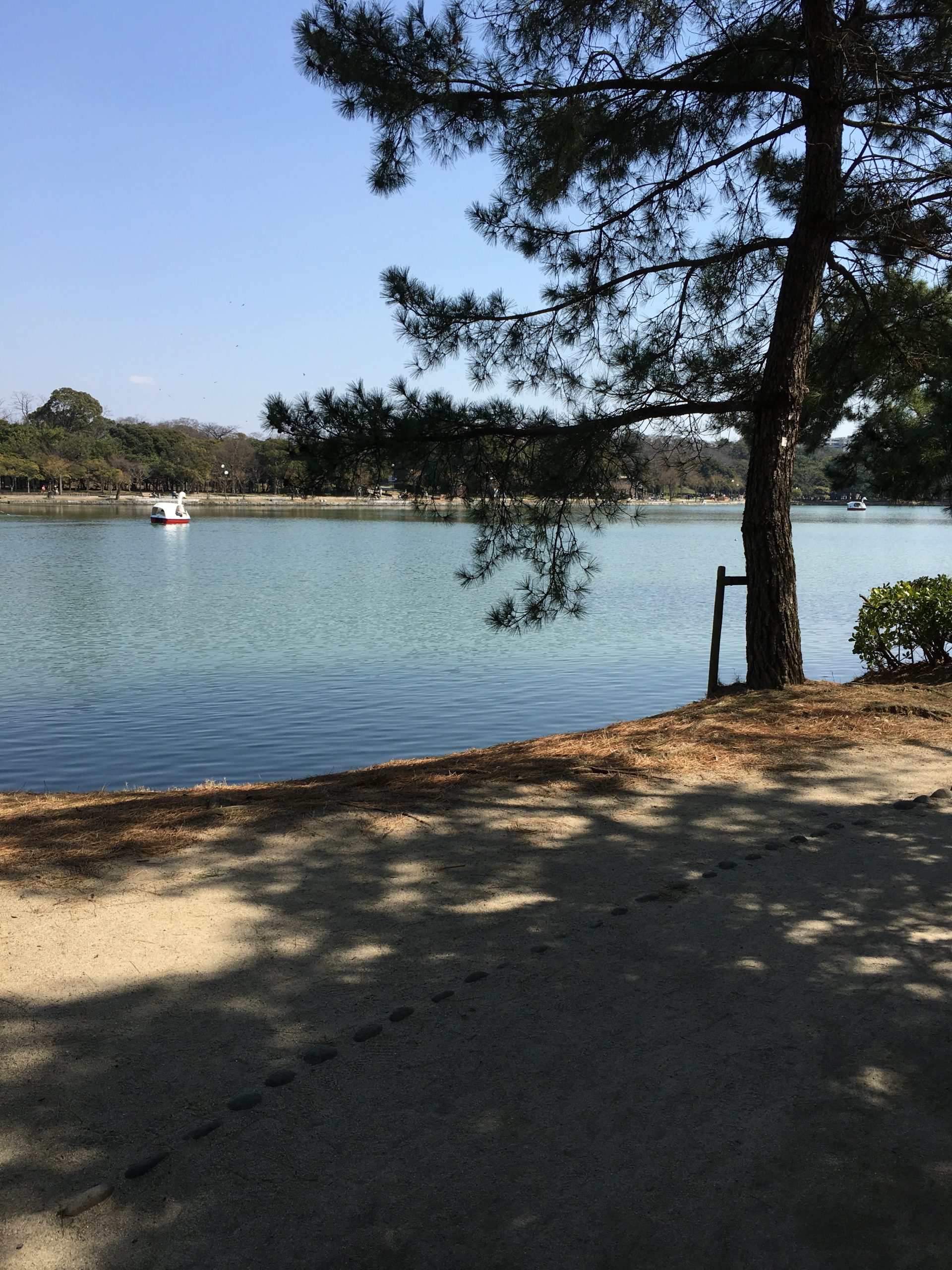
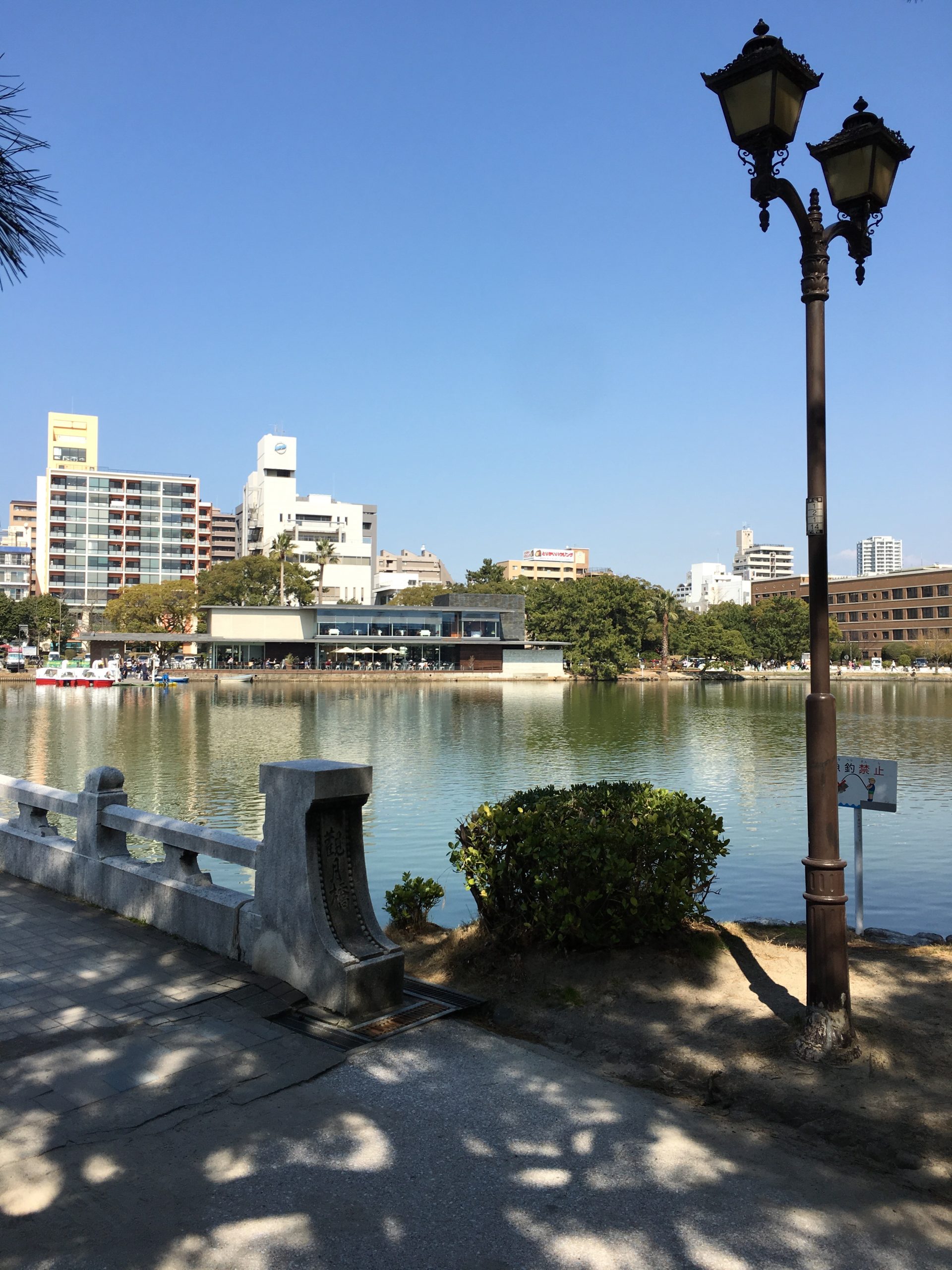
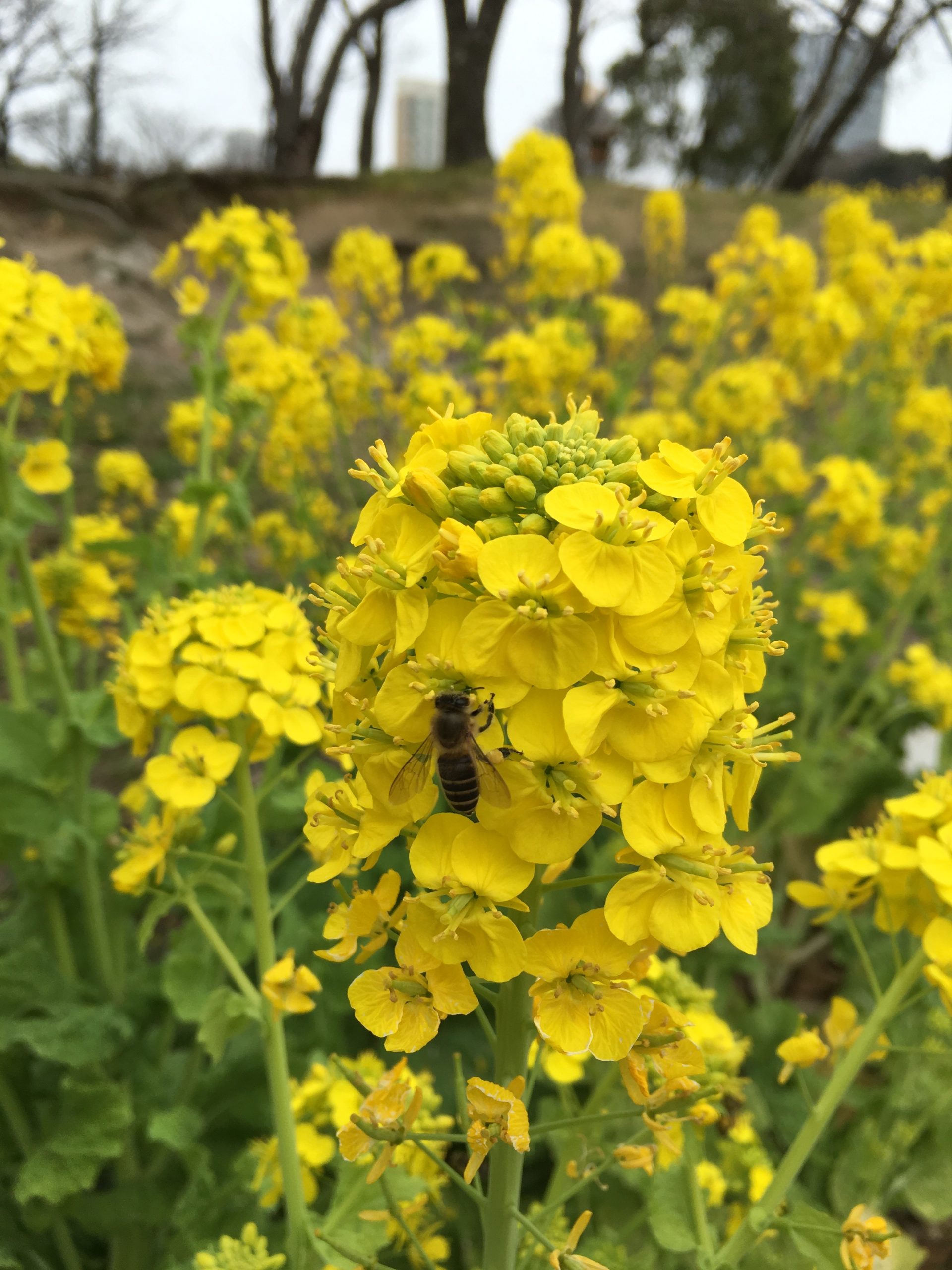
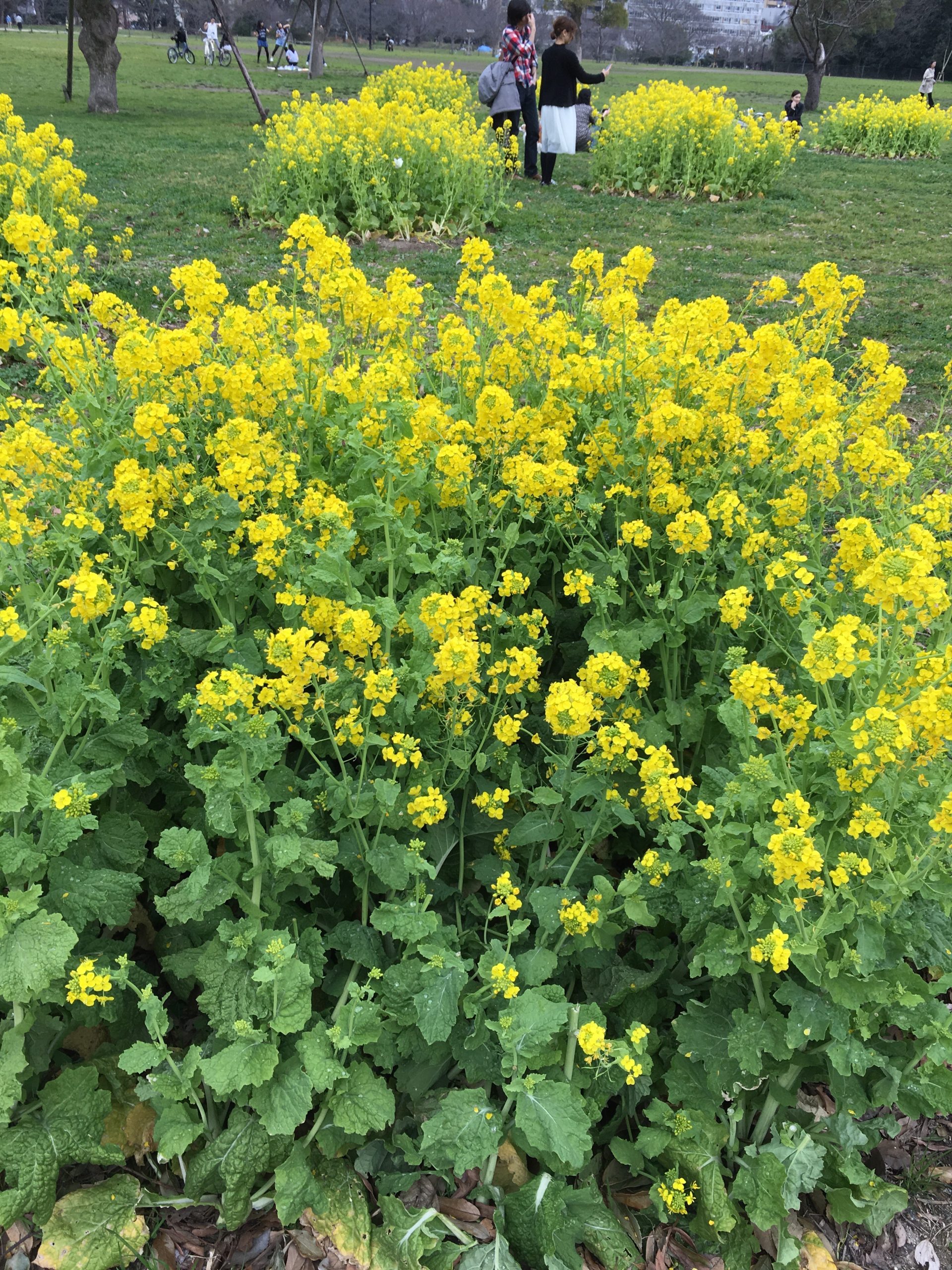
Ohori Park: Quiet Observations
A small photographic archive capturing the shifting light, walking paths, and peaceful wildlife of daily life around the water.

Comments