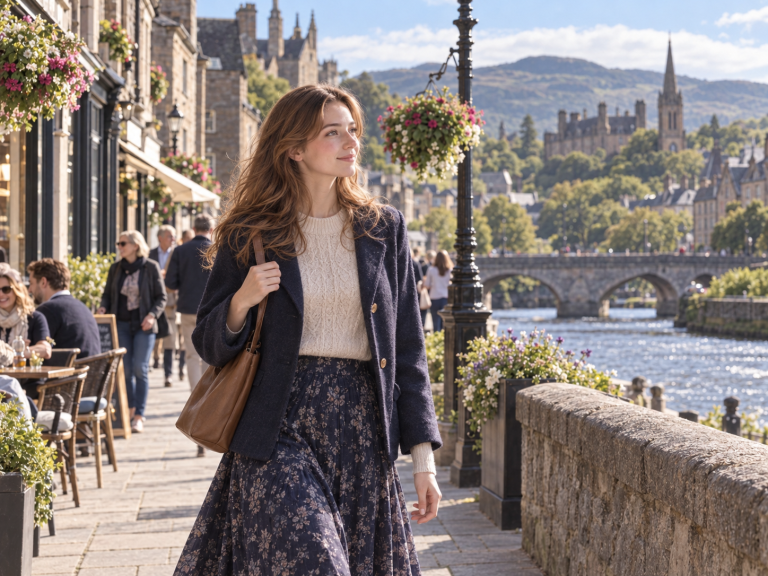

- A Personal Note from Lina: My Memories of the Scottish Highlands
- Chapter 1: Why I Think the Scottish Highlands Are Worth Staying For
- Chapter 2: Scottish Highlands Luxury Accommodation Guide — How to Choose the Right Stay Without Regret
- 1. Choose the Area Before You Choose the Hotel
- 2. Castle Hotel or Historic Country House?
- 3. Boutique Hotel or Town-Based Stay?
- 4. Remote Lodge or Highland Resort?
- 5. Luxury Cottage or Self-Catering Stay?
- 6. Car or No Car Changes the Decision Completely
- 7. One or Two Nights Versus Five or Seven Nights
- 8. The Mistake I Would Avoid
- Chapter 3: Scottish Highlands Luxury Hotels & Famous Stays — Castle Hotels, Boutique Stays and Highland Lodges
- Chapter 4: Where to Stay in the Scottish Highlands — Best Areas by Travel Style
- Inverness — Best for First-Time Visitors and Easier Transport
- Glencoe — Best for Dramatic Highland Scenery
- Fort William — Best for West Highland Rail Journeys and Outdoor Access
- Loch Ness & Fort Augustus — Best for a Classic First Highland Trip
- Cairngorms & Aviemore — Best for Forests, Mountains and a Longer Active Stay
- Wester Ross — Best for Remote Scenery and a Slower Journey
- Dornoch and the Northern Highlands — Best for a Quieter Northern Base
- Isle of Skye — Best Treated as Its Own Stay
- Chapter 5: The Quiet Side of the Scottish Highlands — How I Would Enjoy It Without Rushing
- Chapter 6: Scottish Highlands Activities I Would Actually Choose — Castles, Walks, Lochs & Scenic Train Journeys
- Chapter 7: Food, Local Produce & Long Lunches in the Scottish Highlands
- Chapter 8: Best Time to Visit the Scottish Highlands — Seasons & Weather
- Chapter 9: Scottish Highlands Itinerary — How Many Days I Would Stay
- Chapter 10: Scottish Highlands Road Trip — Scenic Drives & Longer Excursions
- Chapter 11: Getting to the Scottish Highlands — Train, Car & Travel from Edinburgh or Glasgow
- Chapter 12: Why the Scottish Highlands Look the Way They Do — Glens, Lochs, Mountains & Highland Light
- Chapter 13: How I Would Spend 3–5 Quiet Days in the Scottish Highlands
- Important Disclaimers & Notice
A Personal Note from Lina: My Memories of the Scottish Highlands
Chapter 1: Why I Think the Scottish Highlands Are Worth Staying For
The Scottish Highlands are not a single town or resort that can be understood in an afternoon. They are a vast region of mountains, lochs, glens, villages, estates, historic houses and long roads where the landscape itself becomes a major part of the journey.
That is exactly why I think the Highlands deserve more than a rushed day trip.
1. The True Appeal of the Scottish Highlands
The first thing that makes the Highlands different is scale. In some places, mountains rise directly from deep valleys or lochs. In others, the land opens into broad stretches of moorland where buildings and villages seem almost secondary to the landscape around them.
The appeal is not that every hour needs to contain a famous attraction. Much of the pleasure comes from driving slowly through a glen, stopping near a loch, walking through a village, having lunch somewhere warm, and allowing the landscape to occupy more of the day than your itinerary does.
2. What You Gain by Staying Rather Than Passing Through
A short tour can show you famous scenery. A longer stay gives you something different: time.
Time to wake up somewhere surrounded by mountains rather than arriving after several hours on the road. Time to explore one area properly instead of spending most of the day transferring between viewpoints. Time to allow for changing weather without feeling that an entire trip has been ruined by one wet afternoon.
3. What You Can Experience During a Highland Stay
The Highlands can support several very different kinds of trip. You can base yourself near Inverness and combine easier transport connections with Loch Ness and the surrounding countryside. You can stay around Glencoe for dramatic mountain scenery, choose Fort William for access to Lochaber and the West Highland railway corridor, or travel farther into Wester Ross for a much more remote landscape.
There are also very different accommodation styles, from historic castle hotels and country houses to small boutique properties, lodges and self-catering cottages. That variety matters because choosing the right place to stay can completely change the experience of the Highlands.
Chapter 2: Scottish Highlands Luxury Accommodation Guide — How to Choose the Right Stay Without Regret
Choosing luxury accommodation in the Scottish Highlands is slightly different from choosing a hotel in a compact city. Here, the location of the property can matter almost as much as the property itself.
A beautiful hotel may be perfect if you want to spend two quiet nights surrounded by scenery, but inconvenient if your plan is to visit several distant places every day. A central boutique hotel may look less dramatic in photographs, but could make the trip much easier if you are traveling without a car.
1. Choose the Area Before You Choose the Hotel
Do not begin with a list of famous hotels. Begin with the map. The Scottish Highlands cover a large area, and two beautiful properties can produce completely different trips depending on where they are located.
If your priorities are easier train connections, restaurants and shorter transfers, Inverness may make more sense. If your priority is mountain scenery, Glencoe or the Fort William area may feel more rewarding. If your idea of luxury is distance from everyday life, Wester Ross offers something different again.
2. Castle Hotel or Historic Country House?
A castle hotel makes sense when the accommodation itself is part of the experience. You are not simply looking for somewhere comfortable to sleep; you want historic architecture, formal rooms, grounds, dinner, and the pleasure of returning to the hotel in the evening.
I would choose this style for a shorter stay of one or two nights when I wanted the hotel itself to feel memorable. A country house can offer a similar sense of history, often with a slightly more domestic and relaxed atmosphere.
3. Boutique Hotel or Town-Based Stay?
A boutique hotel makes more sense when convenience matters. This can be especially useful for travelers who want restaurants nearby, easier taxi access, rail connections or the ability to walk around in the evening without getting back into a car.
For a first visit, I would not dismiss convenience as somehow less luxurious. A journey becomes much more relaxing when logistics are simple.
4. Remote Lodge or Highland Resort?
A remote property works best when you are happy for the hotel and surrounding landscape to become the destination. That distance can be either a disadvantage or the entire reason to stay there.
If you want restaurants, shops and several attractions within minutes, a remote property may be inconvenient. If you want mountains, water and fewer reasons to leave, it can be ideal.
5. Luxury Cottage or Self-Catering Stay?
For stays of several nights, I would seriously consider a cottage or self-catering property. This is particularly useful if you are traveling by car and want to establish one comfortable base instead of changing hotels repeatedly.
A cottage can also make mornings and evenings easier: breakfast when you want, something simple after a long drive, and fewer fixed dining times.
6. Car or No Car Changes the Decision Completely
If you are not renting a car, I would place much greater weight on transport connections. Inverness is the clearest example, while Fort William can also work well for rail-based journeys. With a car, the number of realistic accommodation choices expands dramatically.
7. One or Two Nights Versus Five or Seven Nights
Prioritize experience: castle hotel, elegant country house or a particularly beautiful destination property.
Balance scenery and practicality; a strong base becomes more important.
Think carefully about space, food, parking, driving distance and self-catering.
Prioritize Inverness, Fort William or another transport-friendly base before choosing the room.
8. The Mistake I Would Avoid
The mistake I would avoid is choosing accommodation purely from photographs. A property can look extraordinary but still create hours of unnecessary driving.
Before booking, I would check exact location, realistic driving time, nearest railway station, whether dinner is available, parking, check-in restrictions, nearby shops or restaurants, and cancellation conditions.
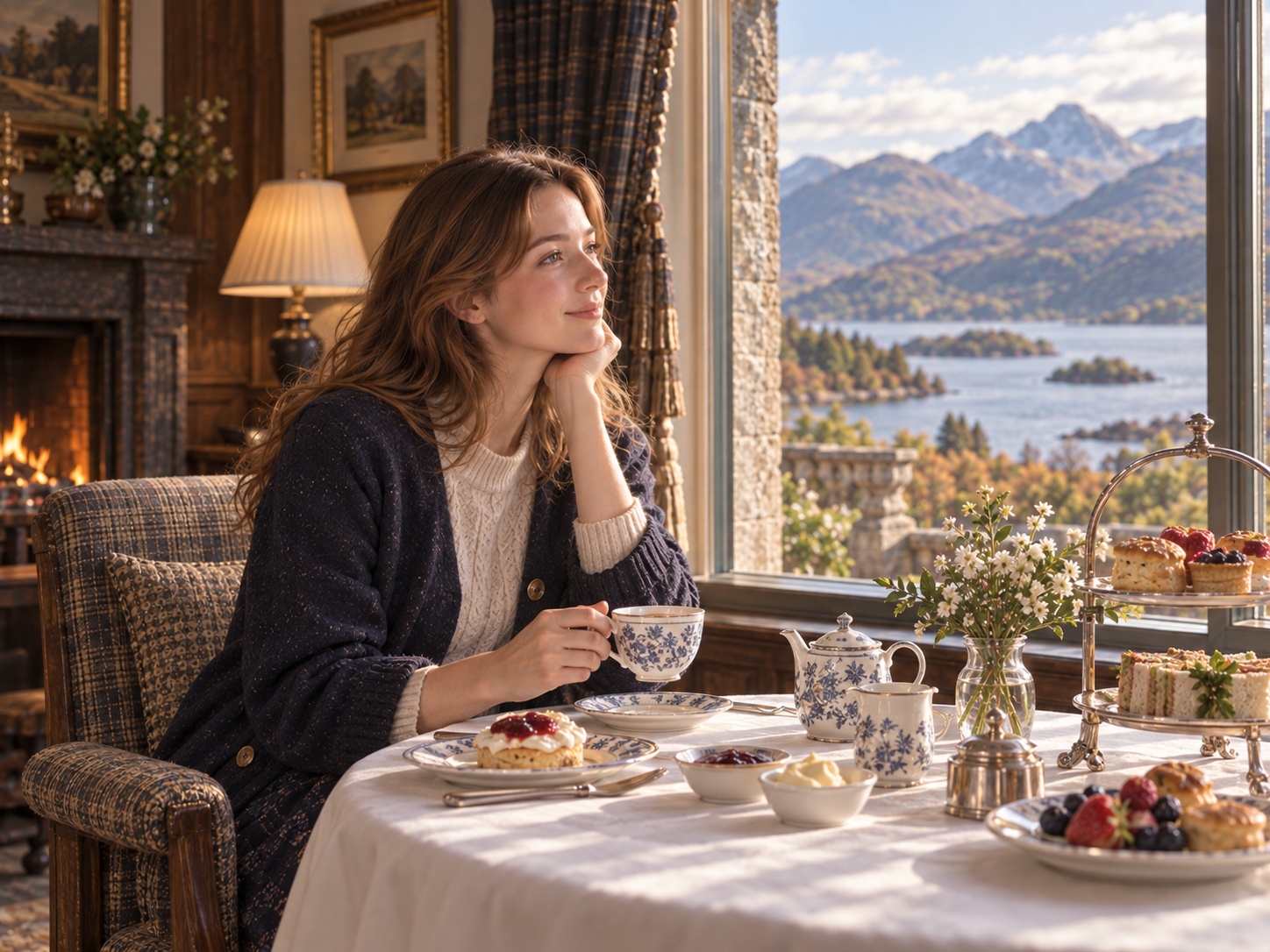
Chapter 3: Scottish Highlands Luxury Hotels & Famous Stays — Castle Hotels, Boutique Stays and Highland Lodges
There is no single “best” luxury hotel in the Scottish Highlands because the properties serve very different kinds of journeys. Rather than ranking them, I think it is more useful to look at several well-known examples and understand what each one is designed to offer.
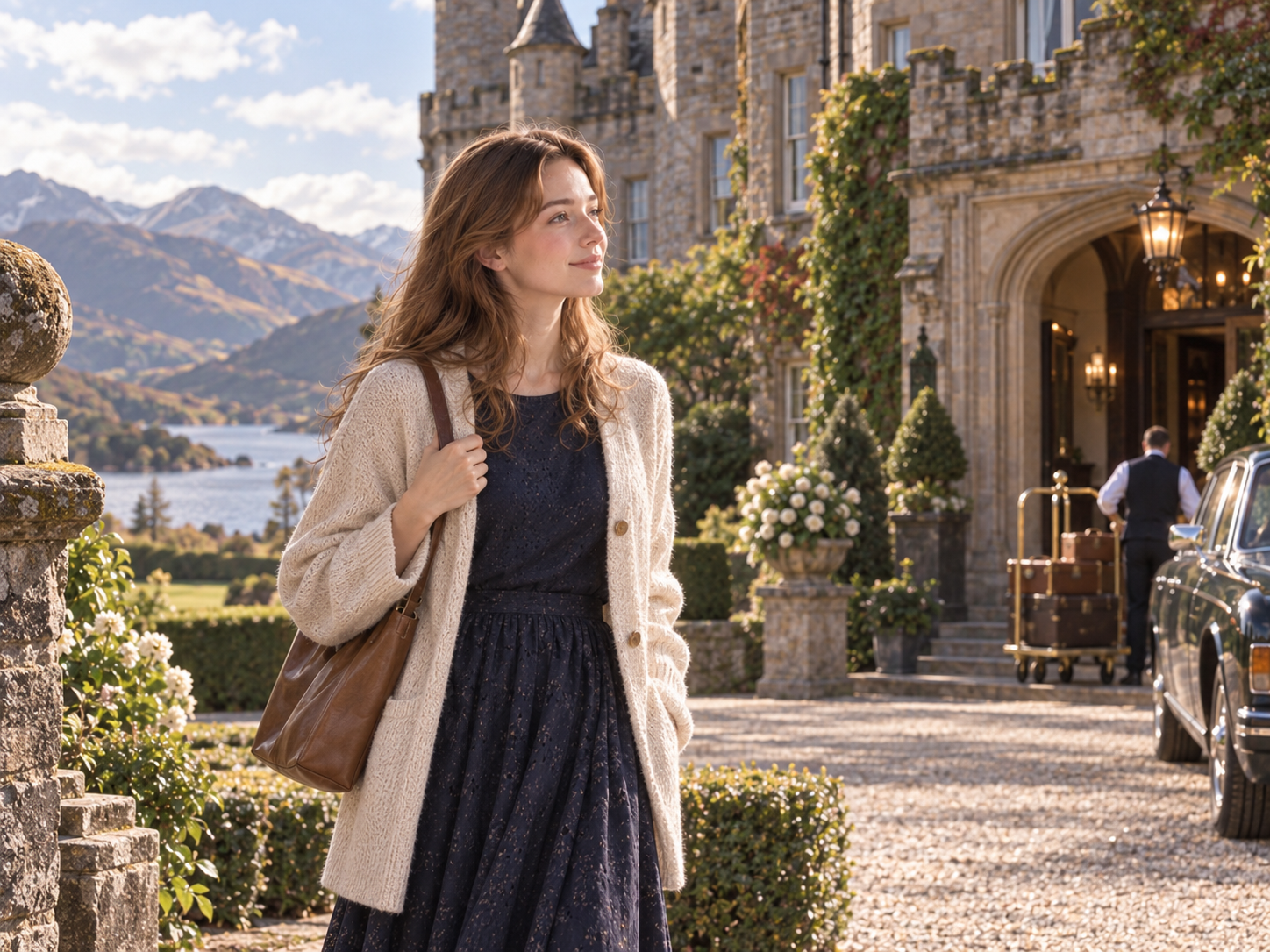
Inverlochy Castle Hotel — Near Fort William
Inverlochy Castle occupies a 19th-century castle near Fort William, about three miles from the town. It works particularly well for travelers who want the accommodation itself to feel like part of the Highland story, with access to the Fort William and Glen Nevis area.
One practical point is important: the historic main castle has no lift, so accessibility should be checked carefully before booking.
Glencoe House — Glencoe
Glencoe House offers suites in the historic mansion as well as separate lodges nearby. The appeal is the combination of privacy, space and direct access to the Glencoe landscape rather than the atmosphere of a conventional large hotel.
Rocpool Reserve — Inverness
Rocpool Reserve provides a useful contrast to the remote Highland properties. It is a restored Georgian mansion in Inverness, combining an intimate boutique atmosphere with the practical advantages of a city base.
This is the kind of property I would consider at the beginning or end of a Highland road trip, when restaurants, transport and easier logistics matter.
Boath House — Near Nairn
Boath House sits near Nairn and offers the atmosphere of a historic house in a quieter countryside setting. It can make sense for travelers who want a more intimate base east of Inverness without immediately traveling deep into the western Highlands.
The Torridon — Wester Ross
The Torridon represents a different category again: a five-star boutique property in Wester Ross surrounded by mountains and water, with the main hotel, The Stables and a separate Boathouse among its accommodation options.
I would choose it when I wanted to slow the trip down rather than use the hotel as a launch point for a long list of distant attractions.
Links House at Royal Dornoch — Dornoch
Links House is in Dornoch, around an hour north of Inverness and very close to Royal Dornoch Golf Club. It has 15 individually designed bedrooms and suites and works well as a quieter northern Highland base.
A Note on Skye
If the Isle of Skye is one of the main reasons for your trip, I would treat it as its own multi-night stay rather than simply adding an attractive hotel to an already crowded mainland route. The island deserves enough time for its own villages, coastline, mountain landscapes and driving distances.
More Famous Luxury Stays to Compare
After choosing the area and travel style, I would compare a shortlist rather than collecting famous hotel names for their own sake:
- Inverlochy Castle Hotel
- Glencoe House
- The Torridon
- Rocpool Reserve
- Links House at Royal Dornoch
- Boath House
Chapter 4: Where to Stay in the Scottish Highlands — Best Areas by Travel Style
The question “Where should I stay in the Scottish Highlands?” does not have one answer. The best base depends on whether you want transport convenience, mountain scenery, long road trips, castle hotels, remote landscapes or easier access without a car.
I would choose the area first and the individual hotel second.
Inverness — Best for First-Time Visitors and Easier Transport
For many first-time visitors, Inverness is the simplest starting point. It works particularly well if you arrive by train or air, do not want to drive immediately, want restaurants and shops nearby, plan to visit Loch Ness, or prefer boutique accommodation over a remote lodge.
Glencoe — Best for Dramatic Highland Scenery
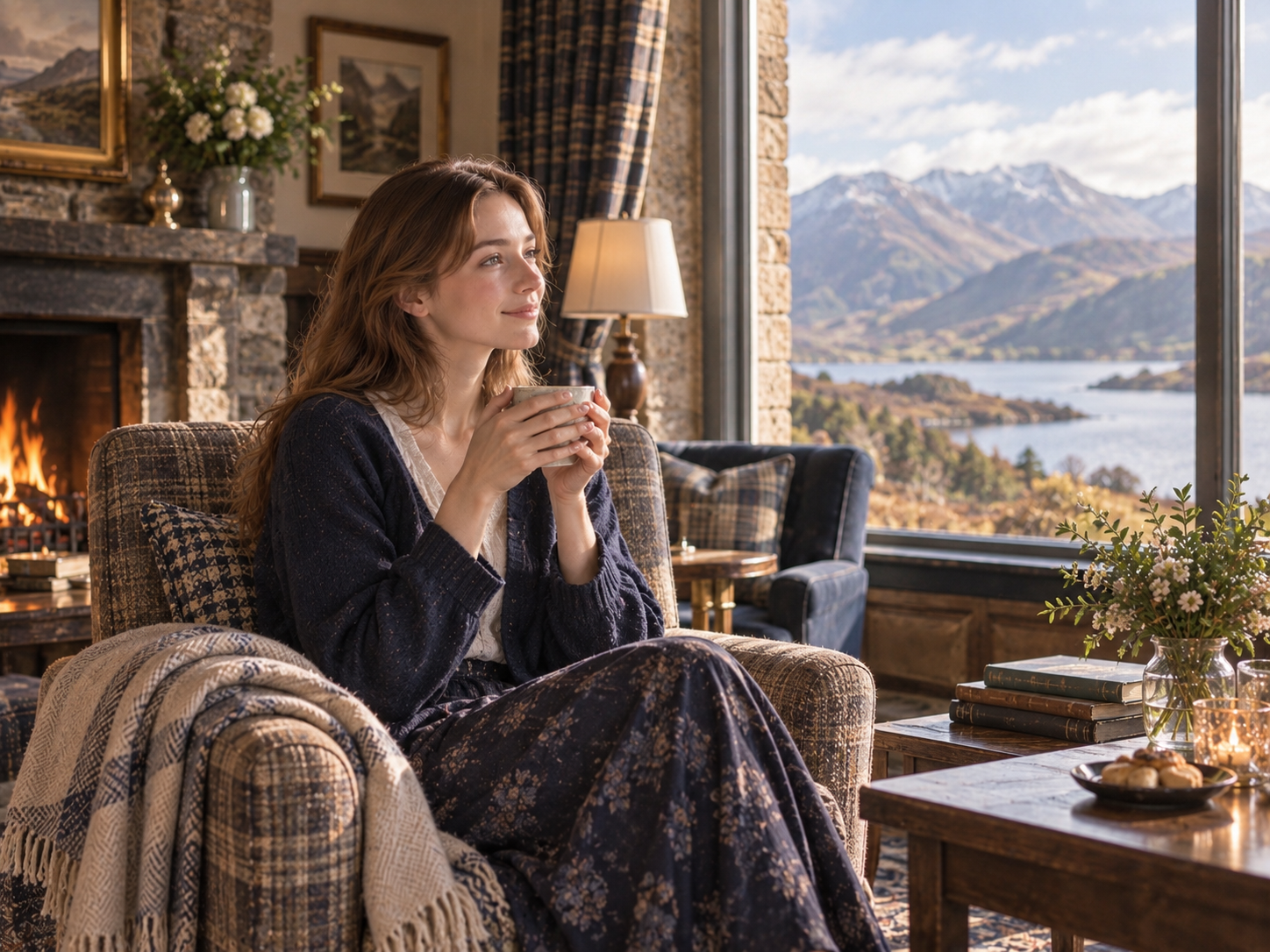
If the landscape is the main reason for the trip, Glencoe is difficult to ignore. I would stay here if I wanted to wake up already inside one of the classic Highland landscapes rather than drive to it from somewhere else.
Fort William — Best for West Highland Rail Journeys and Outdoor Access
Fort William is one of the most practical western bases. It works well for scenic train journeys, Glen Nevis, access toward Glenfinnan and Mallaig, and travelers who want more services than a small remote village can provide.
Loch Ness & Fort Augustus — Best for a Classic First Highland Trip
The Loch Ness corridor offers a recognizable combination of water, historic sites and relatively straightforward access from Inverness. Fort Augustus adds a village atmosphere where Loch Ness meets the Caledonian Canal.
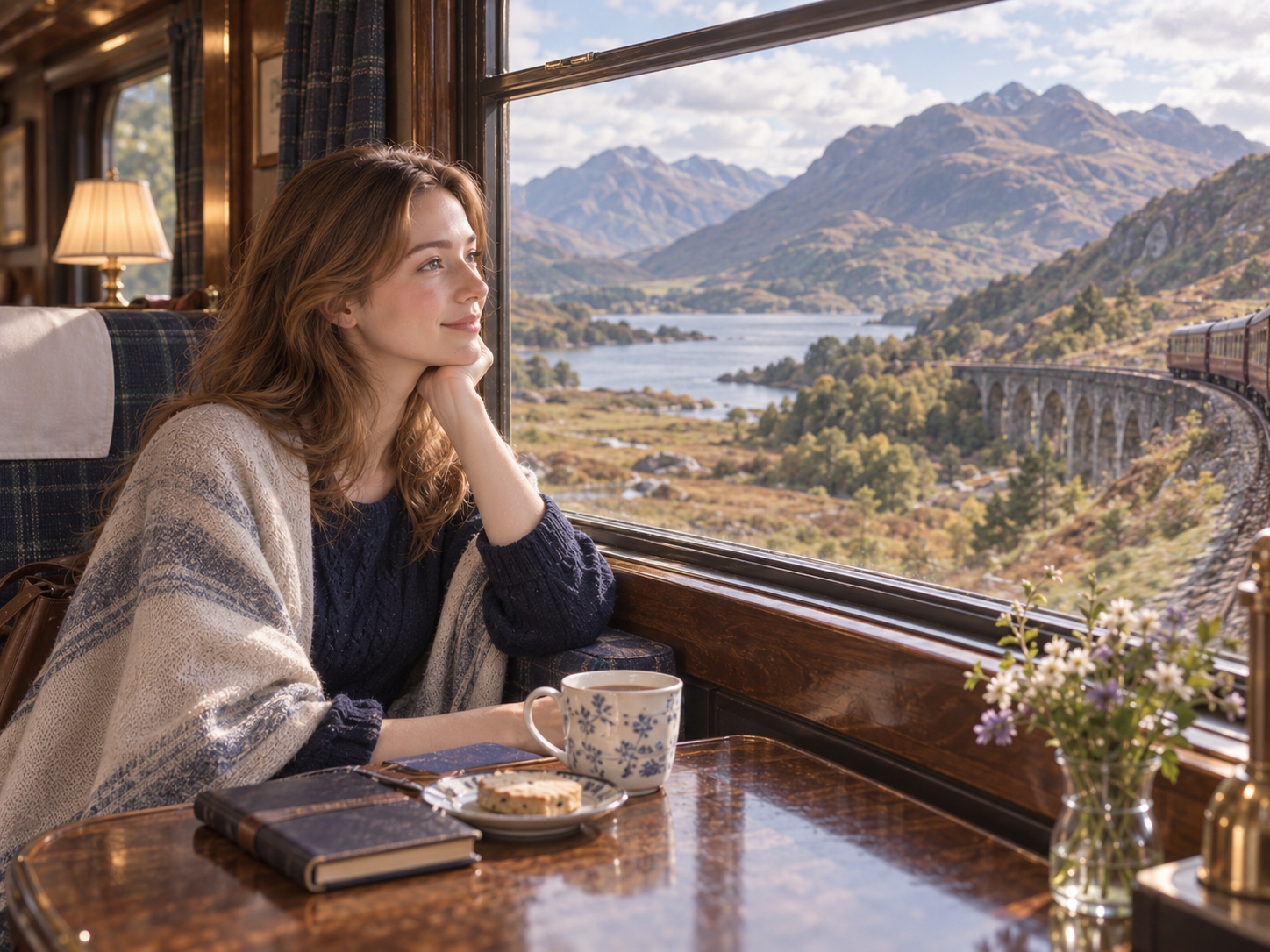
Cairngorms & Aviemore — Best for Forests, Mountains and a Longer Active Stay
The Cairngorms provide a different landscape from Glencoe, with mountains, forests, rivers, lochs and established towns and villages. This is a strong choice for travelers who want a longer base with walking, wildlife and easier access to everyday services.
Wester Ross — Best for Remote Scenery and a Slower Journey
Wester Ross is where I would look when the goal is not convenience. It works better when the day is designed around the landscape and the road rather than a long list of attractions.
Dornoch and the Northern Highlands — Best for a Quieter Northern Base
Dornoch offers a calmer northern base with good access to a different part of the Highlands. It is especially well known for golf, but its appeal extends beyond that.
Isle of Skye — Best Treated as Its Own Stay
If Skye is important to you, I would give it a few nights rather than forcing it into a rushed mainland schedule.
Chapter 5: The Quiet Side of the Scottish Highlands — How I Would Enjoy It Without Rushing
The Scottish Highlands are often presented as a place to drive through quickly, stopping at famous viewpoints before moving on to the next landmark. That is almost the opposite of how I would want to experience them.
Slow Mornings by a Loch
If the accommodation overlooks a loch, valley or open countryside, I would deliberately leave some space in the morning simply to enjoy where I had chosen to stay. Breakfast, a short walk and perhaps coffee before setting out can become part of the journey rather than dead time before the “real” sightseeing begins.
Quiet Villages, Small Towns and Country Roads
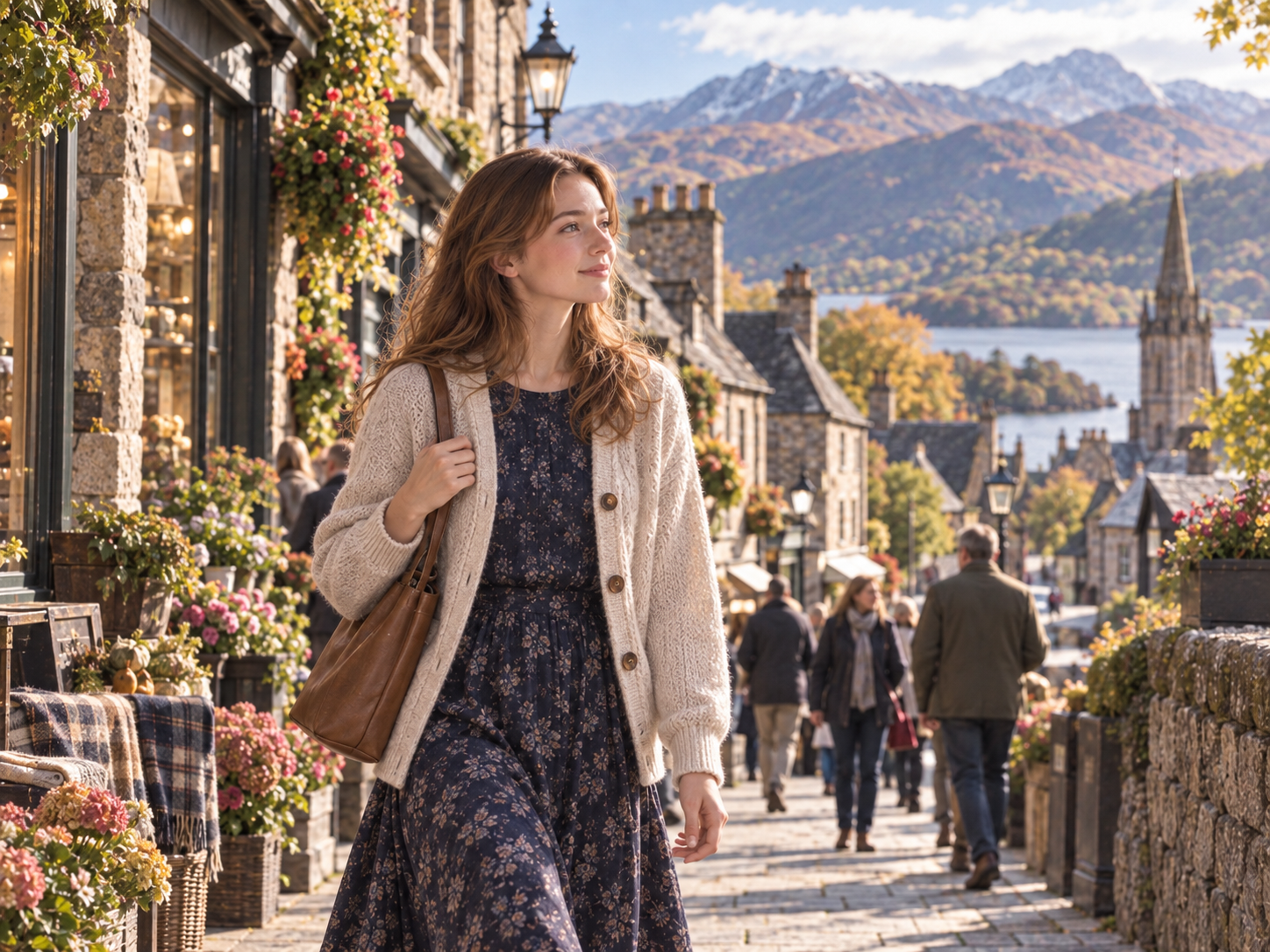
Rather than treating every village as another destination to photograph and leave, I prefer the idea of stopping for lunch, walking for a while, finding a small shop or simply sitting somewhere with a view.
A Day With Only One Major Plan
A much more comfortable rhythm might be one castle in the morning, a long lunch, one scenic drive, and an unplanned stop somewhere along the way. That still creates a full day, but leaves room for weather, traffic and unexpected views.
The Pleasure of an Early Return
An early evening back at a country house, castle hotel, cottage or lodge gives you time to enjoy the accommodation rather than simply sleep there.
Chapter 6: Scottish Highlands Activities I Would Actually Choose — Castles, Walks, Lochs & Scenic Train Journeys
There are countless things to do in the Scottish Highlands, but I would not try to experience everything on one journey. I would choose a small number of activities that help me understand the landscape and history of the region while leaving enough space between them to enjoy the journey itself.
Castles in the Scottish Highlands
Castles are an obvious part of a first Highland journey, but they are worth choosing selectively. Urquhart Castle can fit naturally into a Loch Ness route, while Eilean Donan works naturally on journeys toward Kyle of Lochalsh and Skye.
Hiking in the Scottish Highlands — Without Turning Every Day Into a Major Expedition
The Highlands are one of Britain’s great walking regions, but not every traveler needs to climb a major mountain. Shorter woodland routes, lochside paths and valley walks can provide the landscape experience without making the entire trip an athletic challenge.
Lochs and Waterside Stops
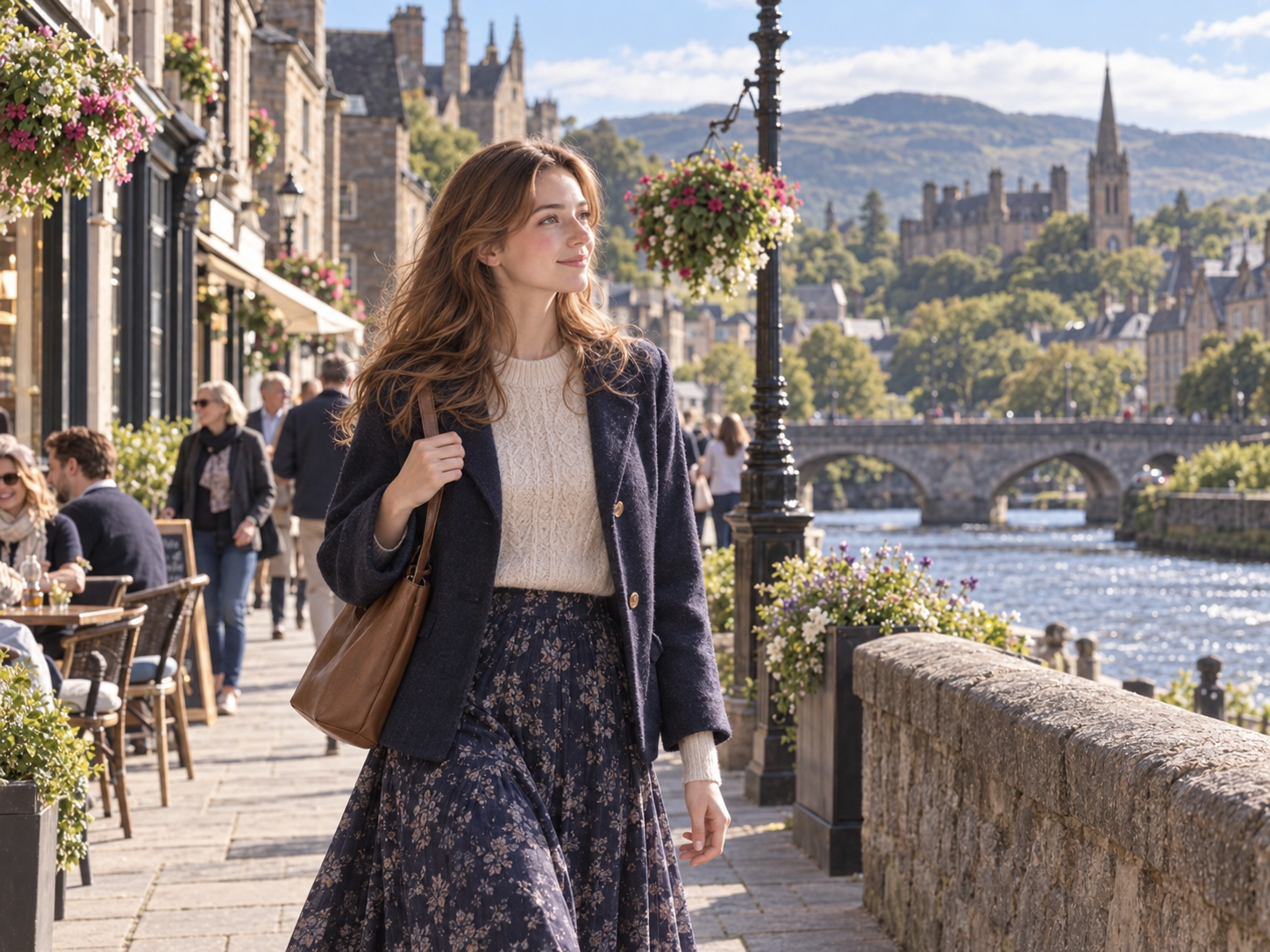
A loch does not always need an organized activity attached to it. Sometimes the experience is simply stopping safely, walking for a while and allowing the scale of water and mountains to fill the view.
Scenic Train Journeys Through the Scottish Highlands
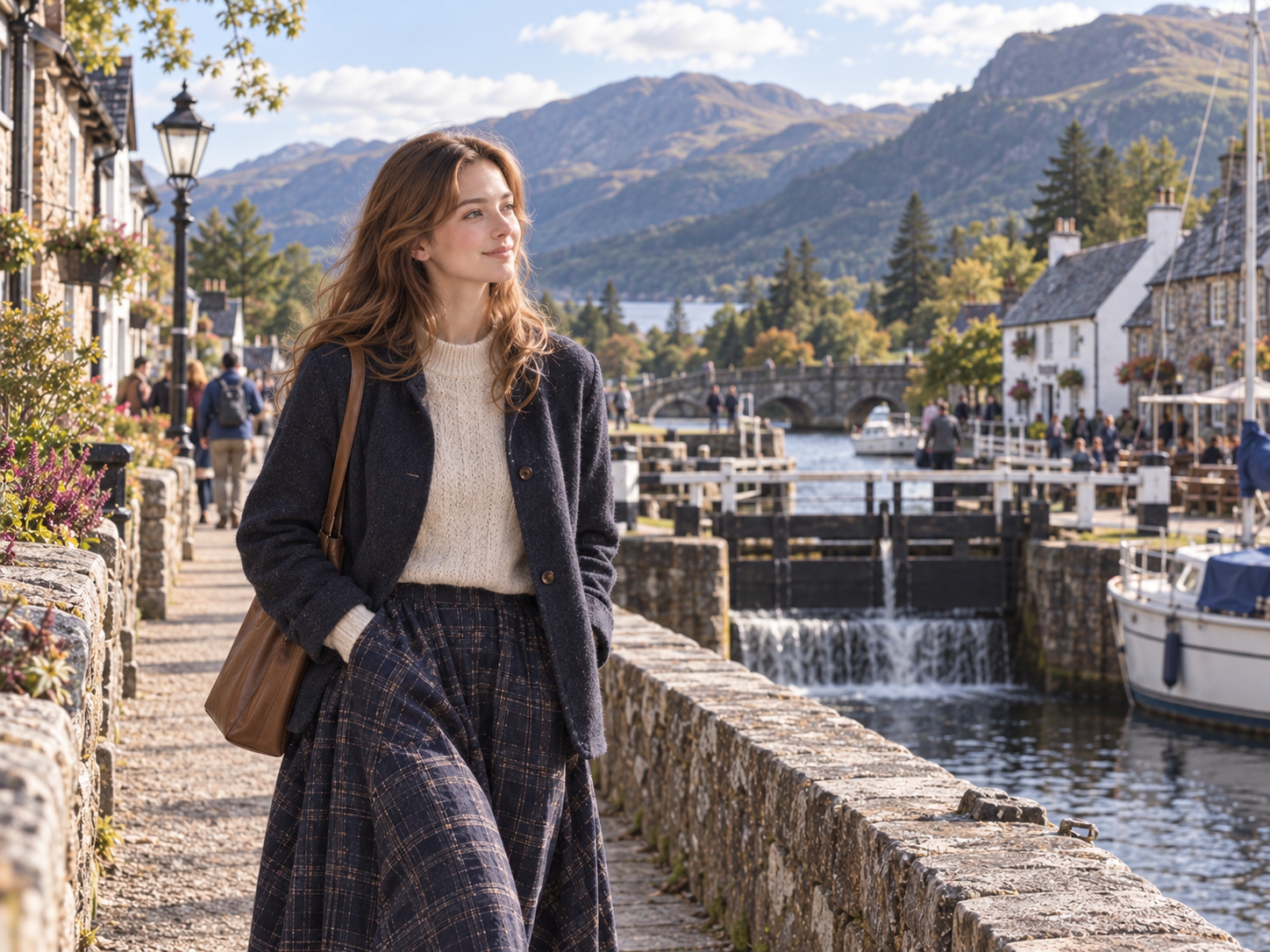
Rail travel deserves an important place in this guide because the Highlands are one of the rare destinations where the journey by train can become part of the attraction. The West Highland railway corridor is particularly important for travelers combining Glasgow, Fort William, Glenfinnan and Mallaig.
The Jacobite and the Glenfinnan Landscape
The seasonal steam service between Fort William and Mallaig is one of the most recognizable rail experiences in the Highlands, but regular rail services also use this corridor. If the historic steam experience matters to you, plan ahead; if the landscape itself is the priority, there are other ways to experience the route.
Historic Estates, Gardens and Houses
Country estates, historic houses and gardens can offer a quieter alternative, particularly when the weather makes a long outdoor day less appealing.
Chapter 7: Food, Local Produce & Long Lunches in the Scottish Highlands
Scottish Highland travel is often discussed almost entirely in terms of mountains and castles, but food can become an important part of a slower journey. This is especially true when driving long distances.
Scottish Seafood and Coastal Produce
The west and north of Scotland have access to excellent seafood. Depending on location and season, menus may include salmon, mussels, scallops, crab and other locally landed seafood.
Highland Beef, Venison and Local Meat
Country house hotels and restaurants often make local or Scottish produce an important part of their menus. This kind of food especially suits colder evenings after a day outside.
Whisky Country
Whisky is closely connected with Scottish travel, although the Highlands contain several different whisky-producing areas and styles. One carefully chosen distillery experience can be enough unless whisky is one of the main purposes of the journey.
Long Lunches Instead of Constant Sightseeing
A long lunch can be one of the best ways to divide a Highland driving day. A good lunch also provides a natural pause during changeable weather; there is no need for every rainy hour to be defeated with another attraction.
Cafés, Bakeries and Simple Stops
Small cafés, bakeries and village shops can be particularly useful on longer driving routes. This is something I learned to appreciate during my student years in Britain, when I was far less experienced at planning around opening hours than I am now.
A Few Tables Worth Planning Ahead For
For a special dinner, I would prioritize restaurants attached to high-quality country hotels or properties already on the travel route rather than adding a long evening drive purely for dining.
Chapter 8: Best Time to Visit the Scottish Highlands — Seasons & Weather
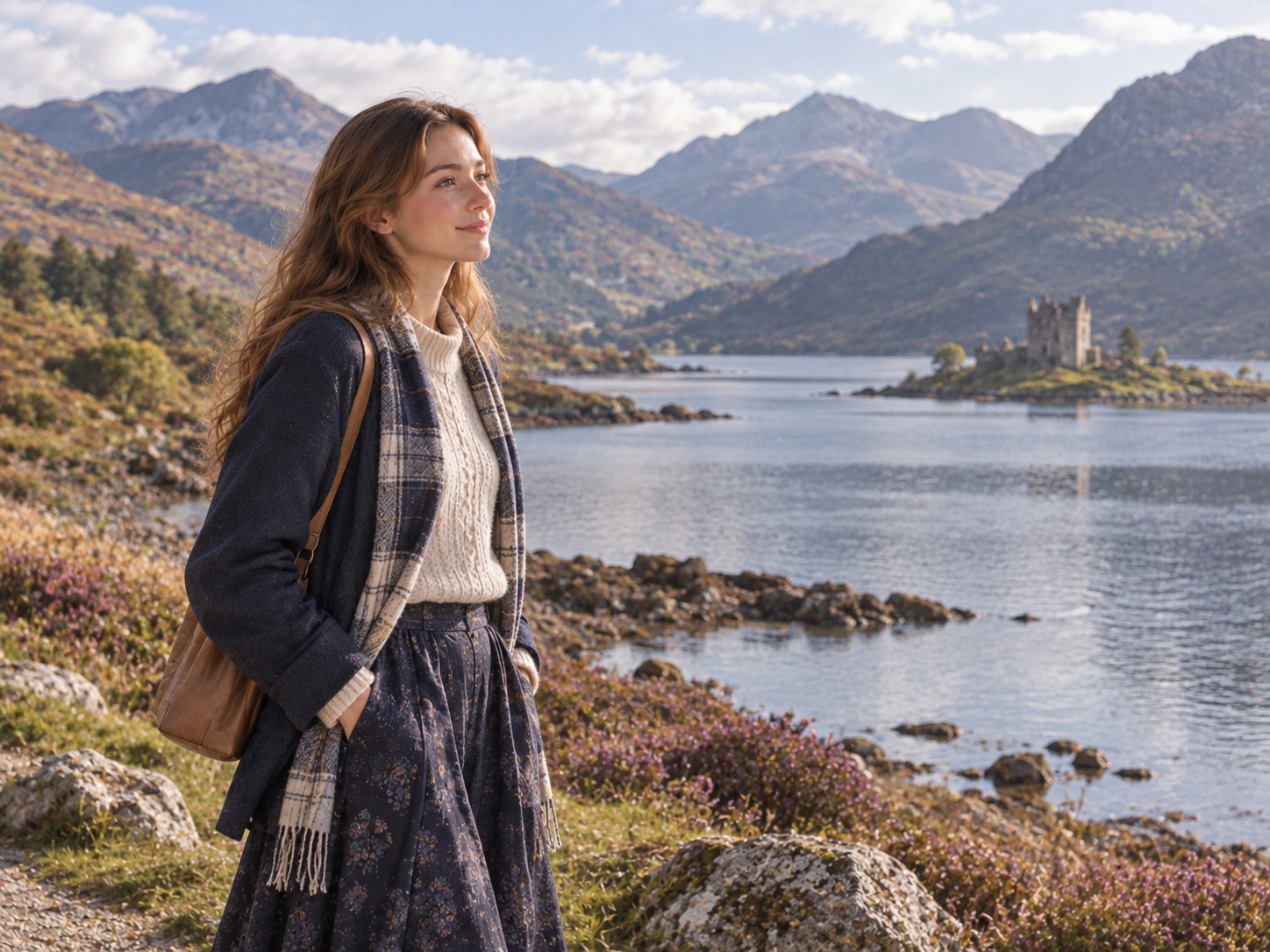
There is no single best time to visit the Scottish Highlands. The experience changes dramatically with the seasons, and the right month depends on whether you value long daylight, autumn color, quieter roads, winter atmosphere or easier outdoor conditions.
Spring in the Scottish Highlands
Spring can be a particularly attractive period for travelers who want longer days without the busiest part of summer. March can still feel wintry in higher areas, while April and May bring increasing daylight and signs of spring.
Summer in the Scottish Highlands
Summer provides the longest daylight and the widest range of outdoor possibilities. It is also peak travel season, so important accommodation is worth booking well in advance.
Autumn in the Scottish Highlands
Autumn can produce some of the most atmospheric Highland scenery. September can still offer useful daylight, while October brings deeper autumn color and shorter days.
Winter in the Scottish Highlands
Winter creates a completely different journey. Snow can transform the mountains, daylight is short, and some roads and activities can be affected by weather. I would keep the itinerary flexible.
When I Would Personally Choose to Go
For a road trip combining hotels, scenic drives, villages and moderate walking, I would be particularly attracted to late spring or early autumn.
Chapter 9: Scottish Highlands Itinerary — How Many Days I Would Stay
The Highlands reward time. Trying to see too much in too few days often produces an itinerary dominated by driving.
1 Day in the Scottish Highlands
One day is enough only for an introduction. If starting from Inverness, choose a focused nearby route; if starting from Glasgow, a day toward Glencoe can provide dramatic scenery but will naturally include substantial travel time.
3 Days in the Scottish Highlands
Three days begins to feel like a genuine trip, but I would keep the geography controlled rather than combining several distant regions.
4 Days in the Scottish Highlands
Four days creates enough space to combine two areas more comfortably and is long enough to avoid turning every morning into a checkout.
5 Days in the Scottish Highlands
Five days is where I think a Highland journey becomes substantially more comfortable. You can stay two or three nights in one area, move once, and experience a second landscape without spending the entire trip packing.
7 Days in the Scottish Highlands
A week allows the pace to change completely: two or three bases, a scenic train journey, one long drive, a castle or historic property, and a day that is relatively unplanned.
Chapter 10: Scottish Highlands Road Trip — Scenic Drives & Longer Excursions
For many travelers, a road trip is the most flexible way to experience the Scottish Highlands. It allows you to stop when the landscape changes, choose smaller roads and reach country hotels that are awkward by public transport.
Driving Through Glencoe
Glencoe is one of the Highland drives I would deliberately leave time for. I would allow room for safe stopping places, short walks and weather changes rather than treating it as a timed transfer.
Fort William to Mallaig — The Road to the Isles
The route west from Fort William toward Mallaig combines mountains, lochs, coastline and railway scenery. The same broad corridor is also served by rail through Glenfinnan.
Inverness to Loch Ness and Fort Augustus
For a first Highland road trip, the journey south-west from Inverness toward Loch Ness is one of the easiest routes to understand, combining a major Highland city with loch scenery and Fort Augustus farther south.
Wester Ross — When the Drive Itself Becomes the Destination
Wester Ross requires a different mindset. Plan fewer destinations and allow more time between them.
The Cairngorms as a Different Kind of Highland Road Trip
The Cairngorms provide a combination of forest, mountain landscapes, villages and more established service centers, making them particularly attractive for travelers who want scenic driving without spending every day on very remote roads.
The Isle of Skye as a Longer Excursion
Skye makes much more sense as a multi-night stay than as a rushed out-and-back drive from another Highland base.
Chapter 11: Getting to the Scottish Highlands — Train, Car & Travel from Edinburgh or Glasgow
Getting to the Scottish Highlands is relatively straightforward. Getting around every part of the Highlands without thinking carefully about transport is not.
Edinburgh to the Scottish Highlands
For travelers arriving in Edinburgh, Inverness is one of the most practical Highland gateways. A train-first, car-later itinerary can be a comfortable compromise.
Glasgow to the Western Highlands
For western Highland scenery, Glasgow can be an excellent starting point. The West Highland rail route heads north and west toward Fort William, with onward connections toward Mallaig.
Scottish Highlands by Train
A rail-based Highland trip is possible, but it works best when the itinerary is designed around the railway rather than when a car itinerary is simply attempted without the car.
The Jacobite Steam Train Versus Regular Rail
The historic steam service attracts enormous attention, but regular rail services also travel between Fort William and Mallaig. The Jacobite is a seasonal service, so operating dates should be checked before planning a trip around it. If the historic experience matters to you, plan for it; if the landscape is the priority, keep the wider rail corridor in mind.
Visiting the Scottish Highlands Without a Car
A car-free Highland trip is possible if you choose bases carefully. Inverness and Fort William are the obvious starting points, with guided excursions useful for places public transport does not cover easily.
When I Think a Rental Car Is Worth Having
I would rent a car for Wester Ross, remote country hotels, small villages, flexible scenic stopping and itineraries with several dispersed bases.
Arriving from London or Further South
Travelers coming from London can reach Scotland comfortably by rail before continuing north. For someone already tired after an international flight, I would keep the first day simple rather than immediately adding a long drive.
Chapter 12: Why the Scottish Highlands Look the Way They Do — Glens, Lochs, Mountains & Highland Light
The Highlands feel dramatic partly because several different landscapes are compressed together. Mountains can rise abruptly beside water, long valleys lead toward narrow lochs, and bare rock, moorland, forest and cultivated land can appear within a relatively short journey.
How Glaciers Shaped the Highlands
Glaciation is one of the most important reasons the Highlands look the way they do today. Ice repeatedly widened and deepened valleys, shaped mountain slopes and left many of the steep-sided landforms associated with classic Highland scenery.
Why There Are So Many Lochs and Deep Valleys
Many Highland valleys were deepened by glacial erosion, and some overdeepened basins later filled with water, helping create the long lochs that define parts of the region.
Glens Are More Than Scenic Names
The word glen refers to a valley and appears repeatedly in Highland place names. These valleys became natural routes through mountain country, so roads, settlements and historical movement often follow them.
Why the Weather Changes the Landscape So Quickly
Cloud can hide upper mountain slopes, rain can deepen the colors of rock and vegetation, and a sudden opening in the cloud can illuminate one side of a glen while the other remains dark.
Why Highland Light Stayed in My Memory
When I think back to my student journey, I do not remember every individual viewpoint. I remember the overall feeling of scale: open country, mountains appearing beyond the road, water reflecting changing weather, and the sensation that the landscape continued much farther than I could see.
Chapter 13: How I Would Spend 3–5 Quiet Days in the Scottish Highlands
If I returned for a short Highland stay now, I would keep the geography smaller, choose one beautiful base, perhaps add a second, and build the days around the landscape rather than around a list of compulsory attractions.
Day 1 — Arrive Without Trying to See Everything
After a long train journey or drive, I would rather check in properly, walk nearby and have an early dinner than immediately set off for another major attraction.
Day 2 — One Castle, One Landscape and a Long Lunch
I would choose one historical place in the morning, have a proper lunch and leave the afternoon largely for the landscape.
Day 3 — A Scenic Drive With Time to Stop
This would be the longest road day, but I would choose one route and avoid a rigid sequence of timed attractions.
Day 4 — Train or Slow Day
If I were near Fort William, this could be the day for a scenic rail journey. Elsewhere, I might deliberately make it a quieter day.
Day 5 — One Final Experience and an Easy Departure
On the final day, I would choose something close to the departure route rather than scheduling a major detour before a long train journey or flight.
Why I Would Never Rush the Scottish Highlands
The Highlands are large enough that there will always be another road you did not take, another loch, another castle, another village and another mountain.
My student journey stayed with me partly because so much of it was unfamiliar and unpredictable. Today, I would plan it very differently, but I would still want to keep one thing from that earlier version of myself: the willingness to stop when the landscape made me want to stop.
Important Disclaimers & Notice
- Accommodation and Pricing Notice: Hotel rates, cottage prices, availability, dining arrangements and minimum-stay requirements can change substantially by season and booking conditions. Verify current prices, cancellation terms, check-in arrangements and meal availability directly with the property before booking.
- Transport Notice: Rail, coach, seasonal steam-train and local transport schedules can change. Engineering works, weather and seasonal timetables may affect services, so confirm current schedules with the relevant operator before departure.
- Driving Notice: Highland driving times can vary because of weather, road conditions, traffic, narrow roads and scenic stops. Navigation estimates should be treated as approximate rather than guaranteed arrival times.
- Weather and Outdoor Travel Notice: Conditions can change quickly in mountain areas. Check current forecasts and appropriate local guidance before longer walks, remote drives or outdoor activities.
- Seasonal Conditions: Some attractions, accommodation properties, restaurants and transport services operate reduced or seasonal schedules. Check current information close to the travel date.
- Editorial Note: This guide combines the author’s memories of traveling in the Scottish Highlands while living in the UK with current travel research. Personal memories reflect the author’s own experience; present-day accommodation, transport and attraction descriptions are based on current publicly available information rather than claims of recent personal use.

Comments