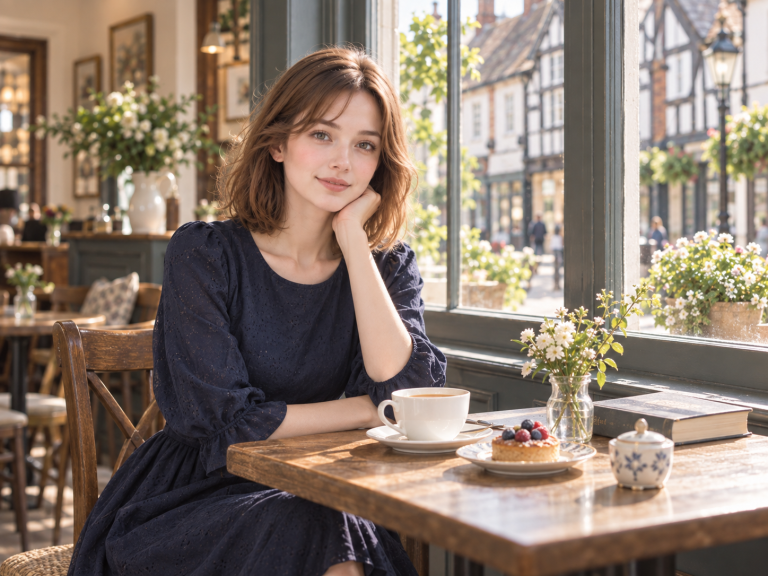
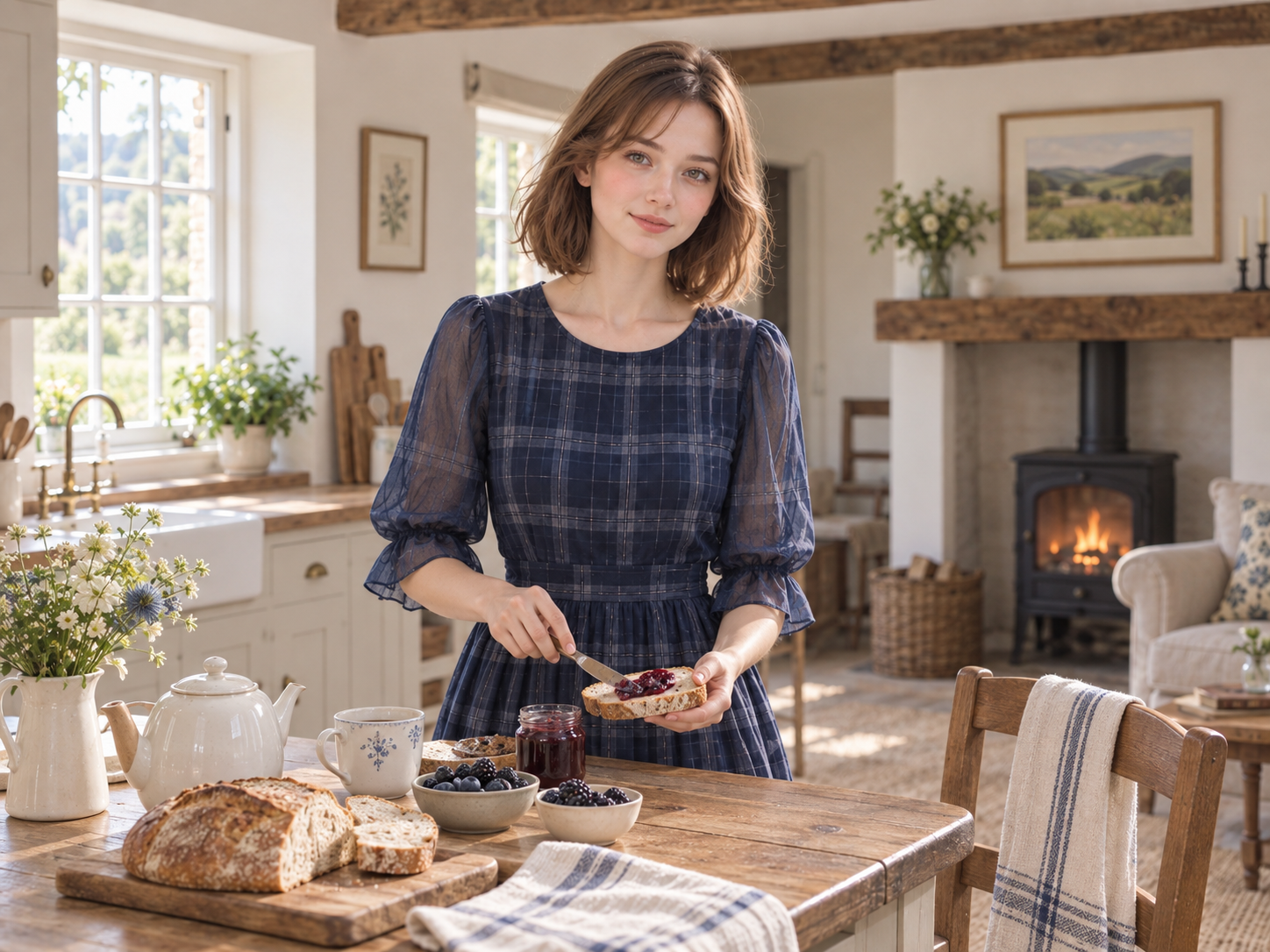
*Conceptual image generated by AI. Actual facilities may vary.
Personal Note / From Lina
I have traveled all over the world exploring quiet travel, from the perspective that quiet time is the truest luxury, and I really love this area.
When I was living in the UK as a student, I also visited many famous sightseeing spots together with my friends. In the beginning, going to the Cotswolds was also so much fun. I especially loved going in the early morning before anyone else was there, simply watching the ducks and their babies swim for a long time.
Then, as I began to seek out quiet journeys, my eyes turned back to this region, and this was the place I found.
When I actually stayed here, I was able to spend such a peaceful and quiet time, and it has become a very, very big favorite of mine. Today, I would like to share and introduce this area in detail from many different angles, hoping it helps anyone actually thinking of staying here to get a sense of what it is like.
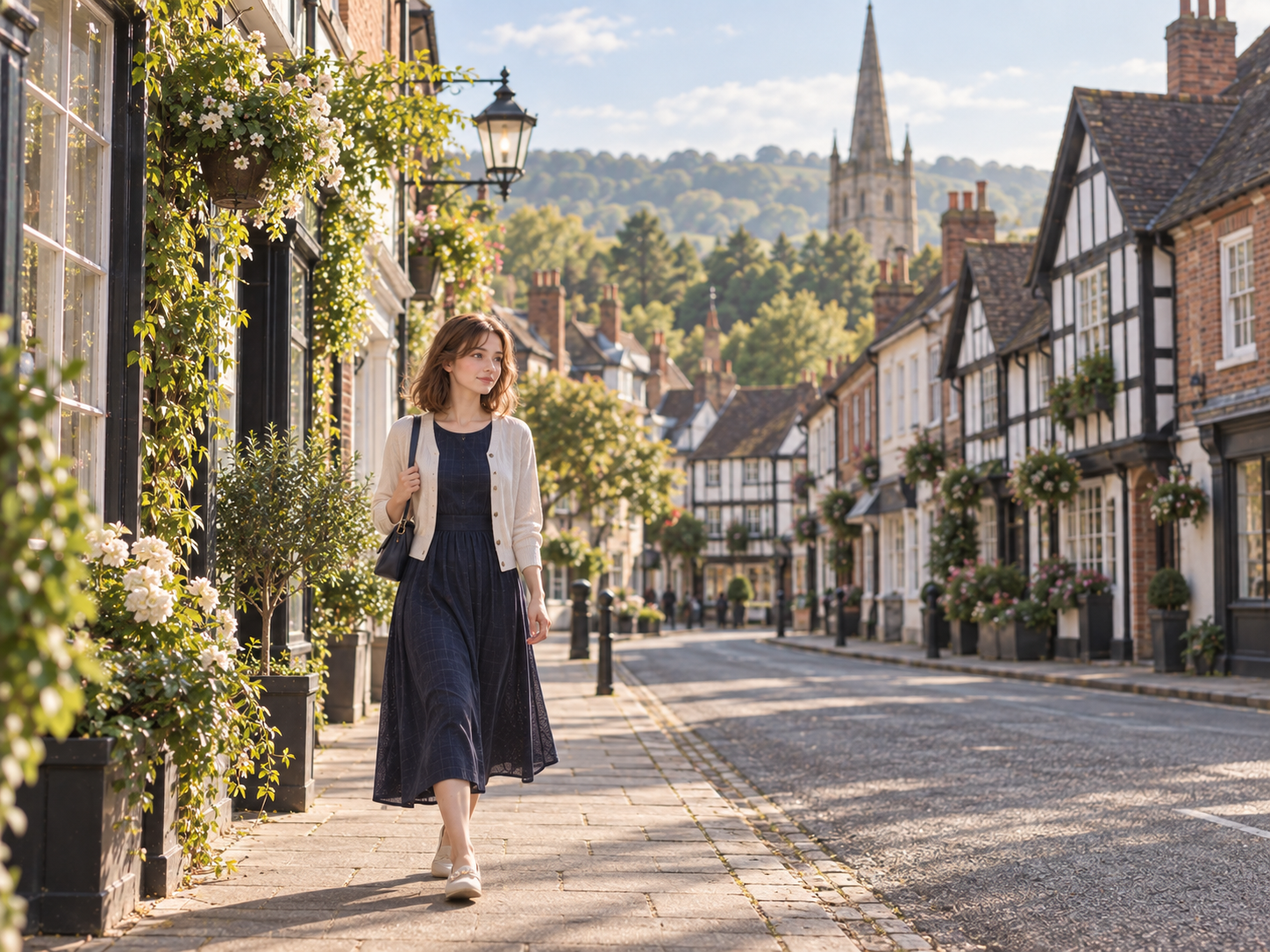
*Conceptual image generated by AI. Actual facilities may vary.
- Chapter 1: Stillness as an Answer: Solitary Reflection and Gentle Human Warmth
- Chapter 2: Choosing Your Stay: Five Accommodation Styles
- Chapter 3: Practical Advice for Selecting Accommodations
- Chapter 4: Climate, Best Seasons, Clothing & Essentials
- Chapter 5: Honest Tables: Bakeries, Butchers & Traditional Pubs
- Chapter 6: Walking the Malvern Hills: Ancient Ridges and Trail Etiquette
- Chapter 7: Access and Logistics: Rail, Road & Parking
Chapter 1: Stillness as an Answer: Solitary Reflection and Gentle Human Warmth
When one looks at travel through the lens of quiet being the ultimate luxury, Ledbury and the Malvern Hills offer a very clear, grounded answer.
An Unrushed Pace, Carried Throughout the Day
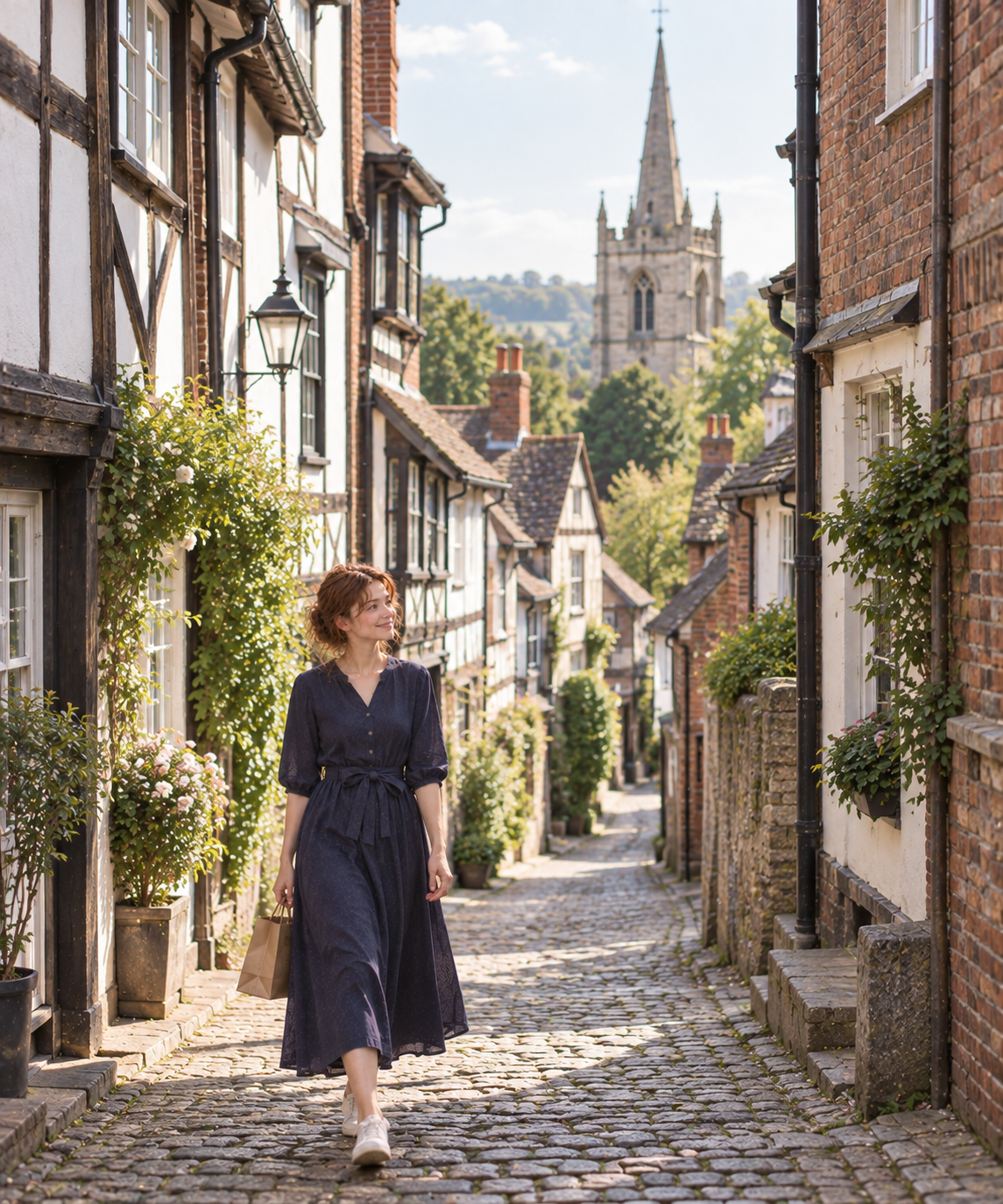
The crisp morning quiet that often vanishes by midday in busy tourist centers stays present here throughout the afternoon. When staying in Ledbury, what stands out first is the noticeable absence of haste. Even on a weekday afternoon, local shops and cobblestone lanes move to an unhurried, natural tempo, giving the entire town an enduring sense of calm.
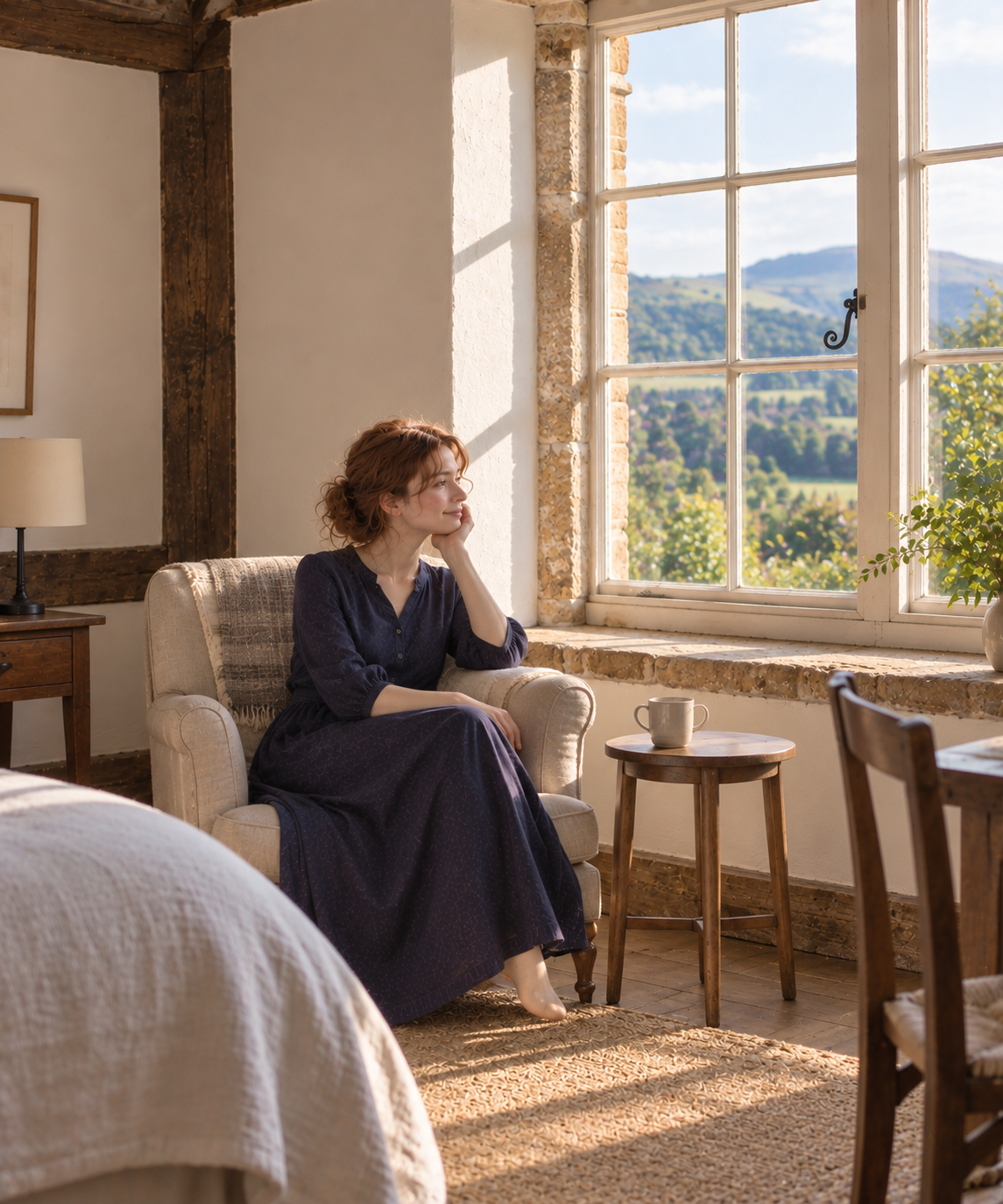
*Conceptual image generated by AI. Actual facilities may vary.
The Freedom of Quiet Reflection
Here, travelers find the space to reclaim their own rhythm without unwanted interference. Whether sitting on a wooden bench along a cobbled lane or reading for hours in a quiet corner of a beamed tea room, there is never a sense of being rushed. Walking up onto the open ridges of the Malvern Hills, one can find peaceful paths where the primary sounds are the passing breeze, birdsong, and grazing sheep. Just as in those early mornings spent watching ducks by the water, one can simply sit and watch the light and cloud shadows move across the valley.

*Conceptual image generated by AI. Actual facilities may vary.
Warmth with Respectful Distance
Solitude here does not mean feeling isolated. The interactions with local shopkeepers and people in traditional pubs are defined by genuine, unpretentious warmth rather than performative hospitality. A simple, quiet “Good morning” holds a comfortable, respectful distance that lets solitary travelers feel welcome while leaving them entirely to their thoughts.
Ancient Bedrock and Historic Streetscapes
The Malvern Hills are composed of igneous and metamorphic rocks formed approximately 680 million years ago during the Precambrian era, deep within an ancient volcanic island arc and subduction zone—making them among the oldest exposed rock formations in England. At their foot, Ledbury retains its medieval layout, adorned with timber-framed buildings dating from the Tudor period through the 17th century.
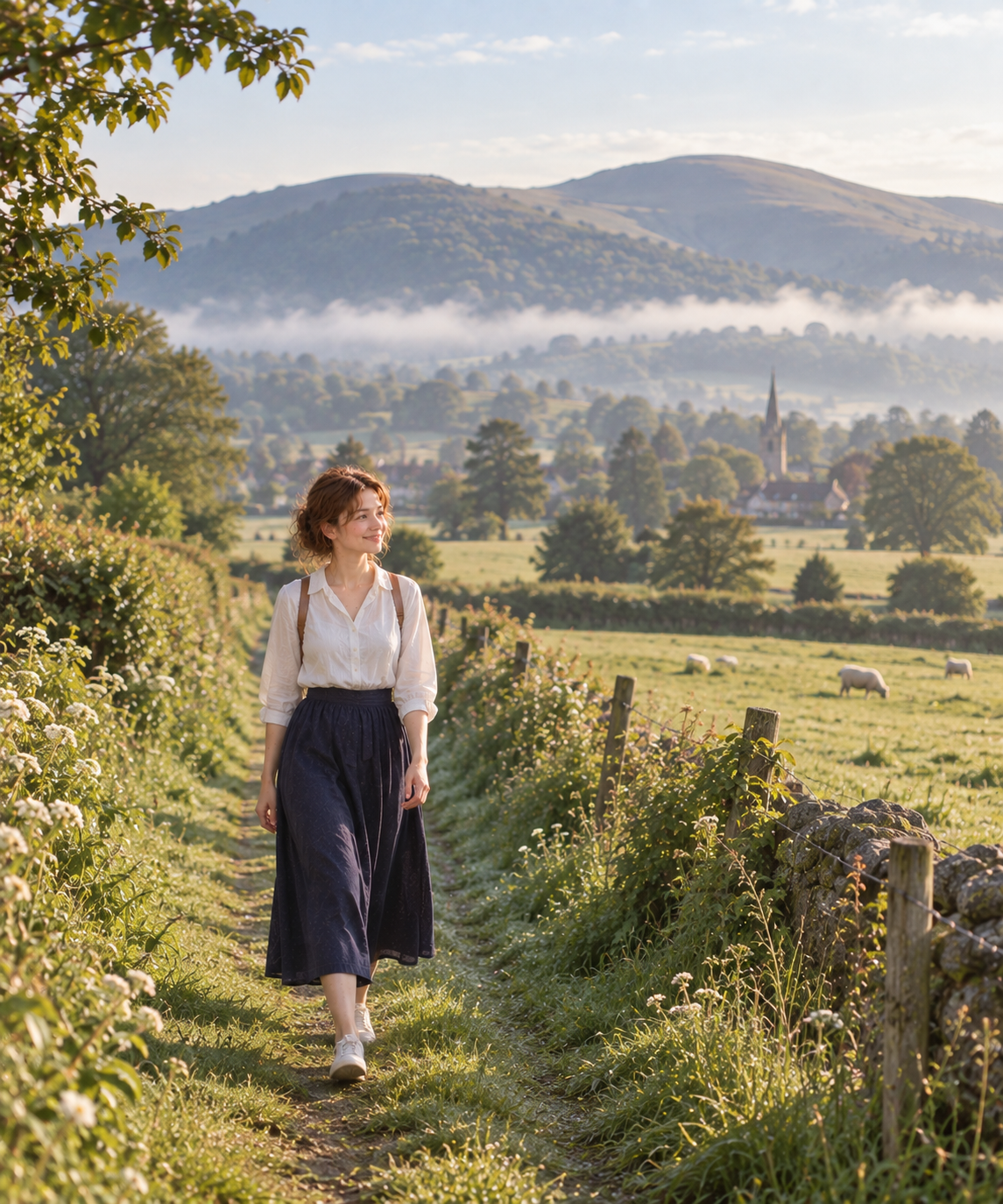
The iconic Market House, begun in 1617 and raised on 16 timber posts, remains the heart of the town. While local tradition has often attributed its design to the renowned local carpenter John Abel, there is no conclusive evidence to confirm his direct involvement, and the topic remains open to discussion. Beneath its open-pillared ground floor, the historic Charter Market continues to take place on Tuesdays and Saturdays. At the end of cobbled Church Lane stands the Church of St Michael and All Angels, whose detached bell tower is thought to have been built separately because an ancient subterranean watercourse made the ground beneath the main church unsuitable for the tower’s heavy masonry.
*Conceptual image generated by AI. Actual facilities may vary.
Chapter 2: Choosing Your Stay: Five Accommodation Styles
When planning a stay in this landscape, accommodations broadly fall into five distinct categories, allowing travelers to choose the sanctuary that best matches their rhythm and travel style:
| Accommodation Style | Key Characteristics | Best Suited For | Estimated Rates (per night)* | Notable Examples |
|---|---|---|---|---|
| 1. Panoramic Boutique Hotel | Perched on hillside slopes with sweeping views across the valley, multi-rosette dining | Travelers seeking quiet luxury, exceptional cuisine, and attentive hospitality | Approx. £220 to £450+ | The Cottage in the Wood |
| 2. Historic Coaching Inn | Authentic timber beams, open fireplaces, easy walking distance from rail station | Independent travelers arriving by rail wishing to explore town life on foot | Approx. £105 to £165 | The Feathers Hotel, The Talbot Hotel |
| 3. Country House Hotel & Pub with Rooms | Tucked among surrounding orchards and meadows; peaceful gardens, seasonal dining | Travelers with a car who appreciate quiet rural evenings and generous breakfasts | Approx. £120 to £190 | Colwall Park Hotel, The Oak Inn Staplow |
| 4. Private Bed & Breakfast | Intimate scale, home-cooked breakfasts, generous personal space and care | Travelers seeking a warm domestic atmosphere in peaceful surroundings | Approx. £110 to £160 | Harlequin B&B, Treherne House |
| 5. Independent Holiday Cottage | Self-contained private retreats with fitted country kitchens, sitting rooms, stoves | Extended stays of a week or longer, focused reading, and self-sufficient living | Approx. £130 to £250 | Magpie Cottage, Town Mews |
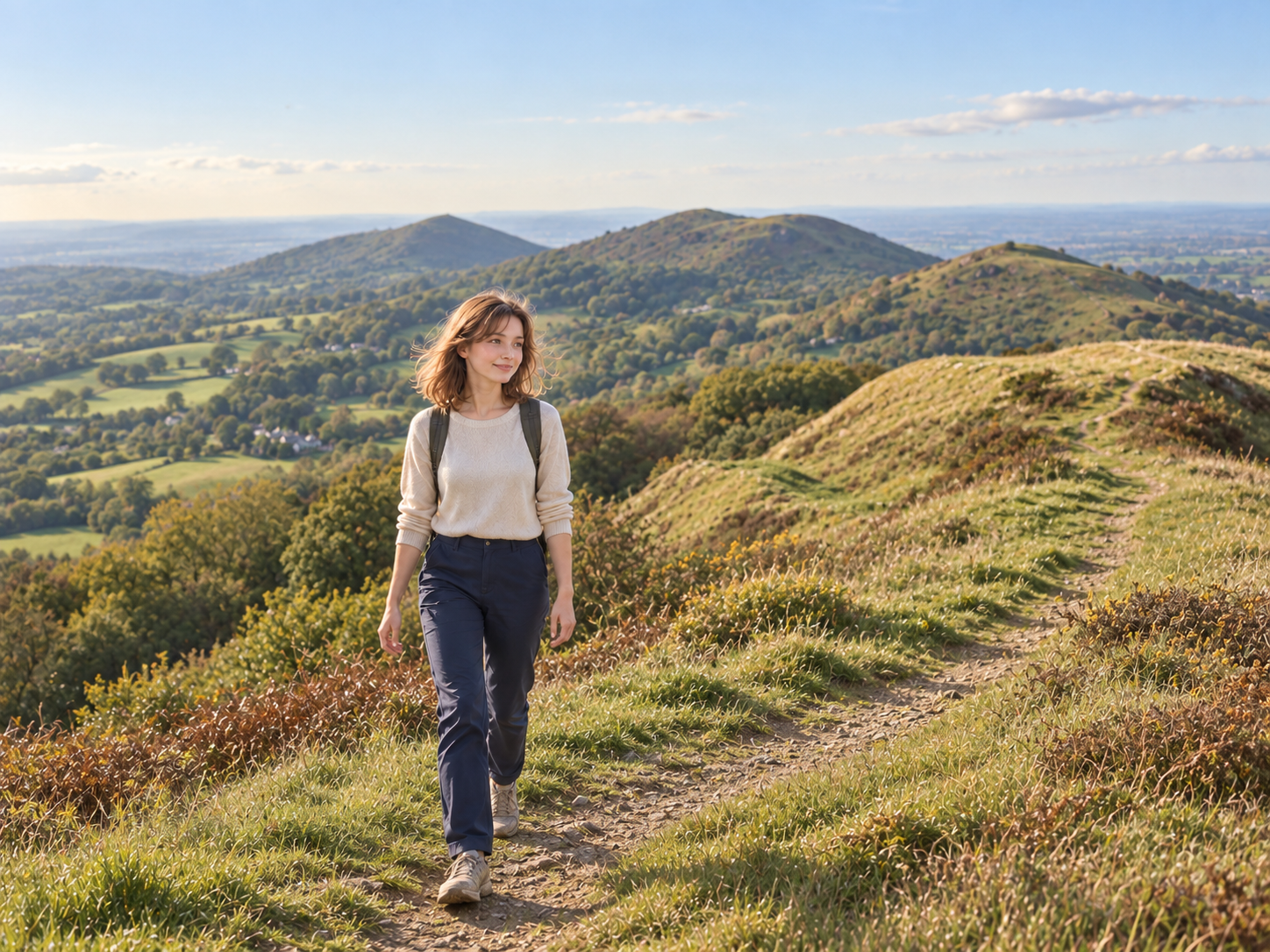
*Note: Stated rates are approximate estimates for 2026. Prices vary considerably depending on dates, day of the week, room categories, and minimum stay requirements.
*Conceptual image generated by AI. Actual facilities may vary.
Chapter 3: Practical Advice for Selecting Accommodations
Choosing by Location and Atmosphere
- Ledbury Town Centre: Within a 10-minute walk of Ledbury Station. Offers direct access to bakeries, independent grocery stores, cafes, and pubs on foot. Ideal for those traveling without a vehicle or wishing to enjoy dinner with local drinks before walking straight back to their room.
- Malvern Wells & Colwall: Accommodations along the eastern slopes of Malvern Wells often command expansive views toward the Severn Valley, while Colwall on the western flank sits close to the rolling rural landscape and direct footpath access.
- Outlying Hamlets (e.g., Staplow): Located 5 to 10 minutes by car from central Ledbury. With minimal passing traffic and few streetlamps, these pastoral settings offer particularly quiet, dark night skies.
Booking and Practical Considerations
- Peak Weekends and Festivals: Accommodations fill up well in advance during the annual Ledbury Poetry Festival (typically held from late June to early July) and during warm summer weekends. Looking into reservations 2 to 3 months ahead is recommended for popular dates.
- Heritage Architecture: Many 16th- and 17th-century coaching inns (such as The Feathers and The Talbot) preserve original historic features like uneven floors and narrow staircases, generally without modern lifts. Travelers with heavy luggage can request a ground-floor or lower-level room when reserving.
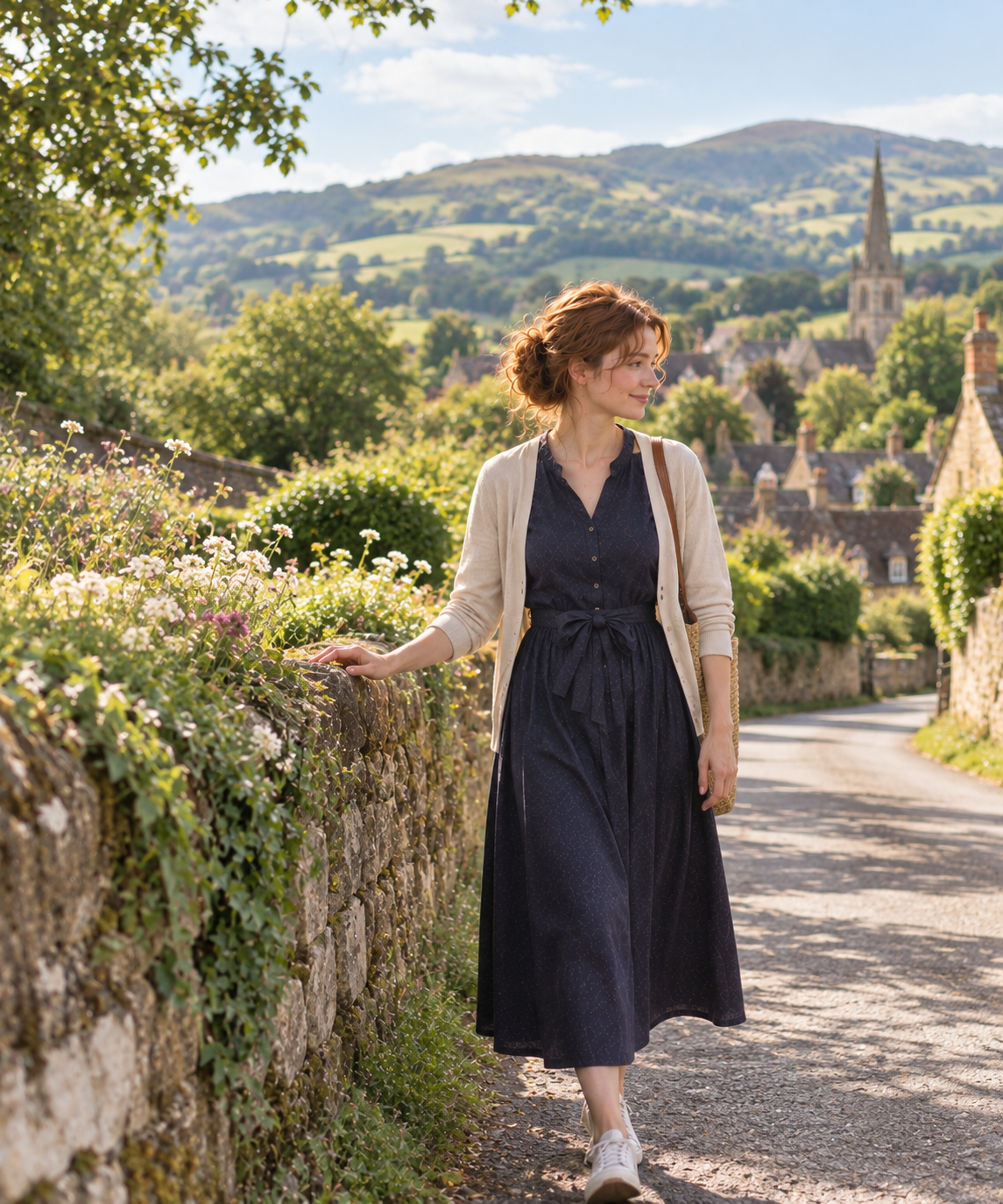
- Reserving Dinners: Acclaimed dining rooms and gastro-pubs (such as the 1919 Restaurant at The Cottage in the Wood or The Oak Inn at Staplow) are popular with locals and visitors alike. Reserving evening tables alongside your room booking ensures a peaceful dinner.
*Conceptual image generated by AI. Actual facilities may vary.
Chapter 4: Climate, Best Seasons, Clothing & Essentials
While Herefordshire generally enjoys a milder climate than much of the country, the open ridgeline of the Malvern Hills is exposed to shifting winds and sudden weather changes.
Seasonal Characteristics
- Spring (April to May / Typical Daytime Temperatures: 8°C to 15°C): Crisp mornings giving way to pleasant afternoons. Woodland floors across the surrounding country estates and hillsides see carpets of native bluebells, making this one of the most rewarding walking seasons.
- Summer (June to August / Typical Daytime Temperatures: Often around 18°C to 24°C): Considerably less humid than Japanese summers and comfortable for travel. Daylight lasts past 9:00 PM. Because the higher ridges offer little shade, sun protection and adequate water are essential.
- Autumn (September to November / Typical Daytime Temperatures: 9°C to 16°C): The local apple harvest fills the countryside air with a distinct, sweet-tart fragrance. Mornings frequently bring mist and light rain, leaving stone paths and trails damp.
- Winter (December to February / Typical Daytime Temperatures: 2°C to 7°C): Crisp air, occasional frosts, and biting winds along the exposed heights. Clear winter ridge walks followed by warm fires in traditional pub hearths offer an authentic seasonal experience.

*Conceptual image generated by AI. Actual facilities may vary.
Clothing and Practical Essentials
- Footwear: Wet granite surfaces, grass slopes, and clay footpaths become slippery after rainfall. Sturdy walking shoes with reliable grip and waterproofing are far safer and more practical than ordinary flat sneakers.
- Weather Protection: Strong ridge winds often turn umbrellas inside out. A lightweight, windproof and waterproof hooded shell jacket is the standard practical choice.
- Layering: In town, fine merino wool or tweed jackets blend naturally with the understated local character. For hill walks, breathable and quick-drying mid-layers allow easy adjustment to shifting body temperatures.
Chapter 5: Honest Tables: Bakeries, Butchers & Traditional Pubs
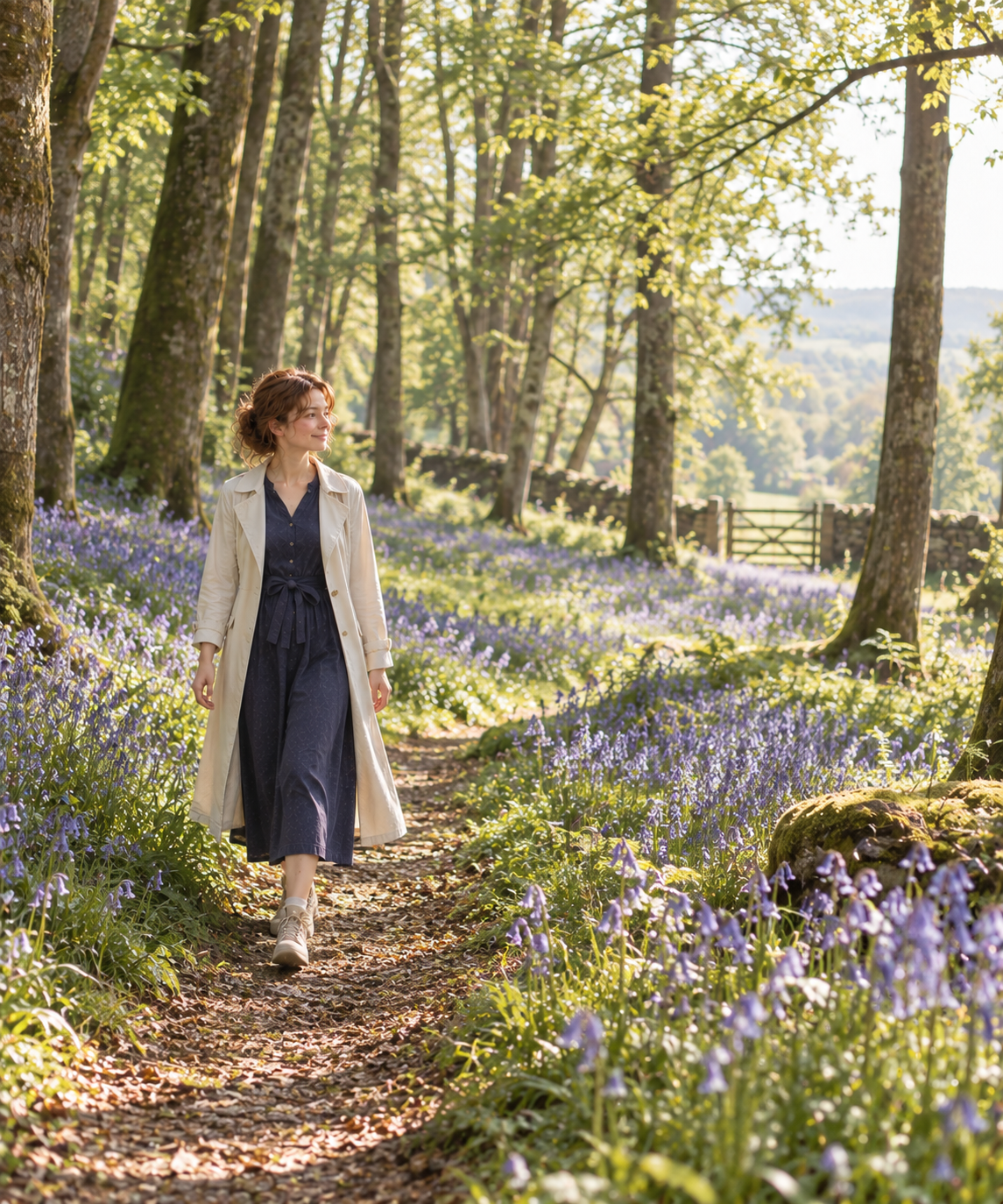
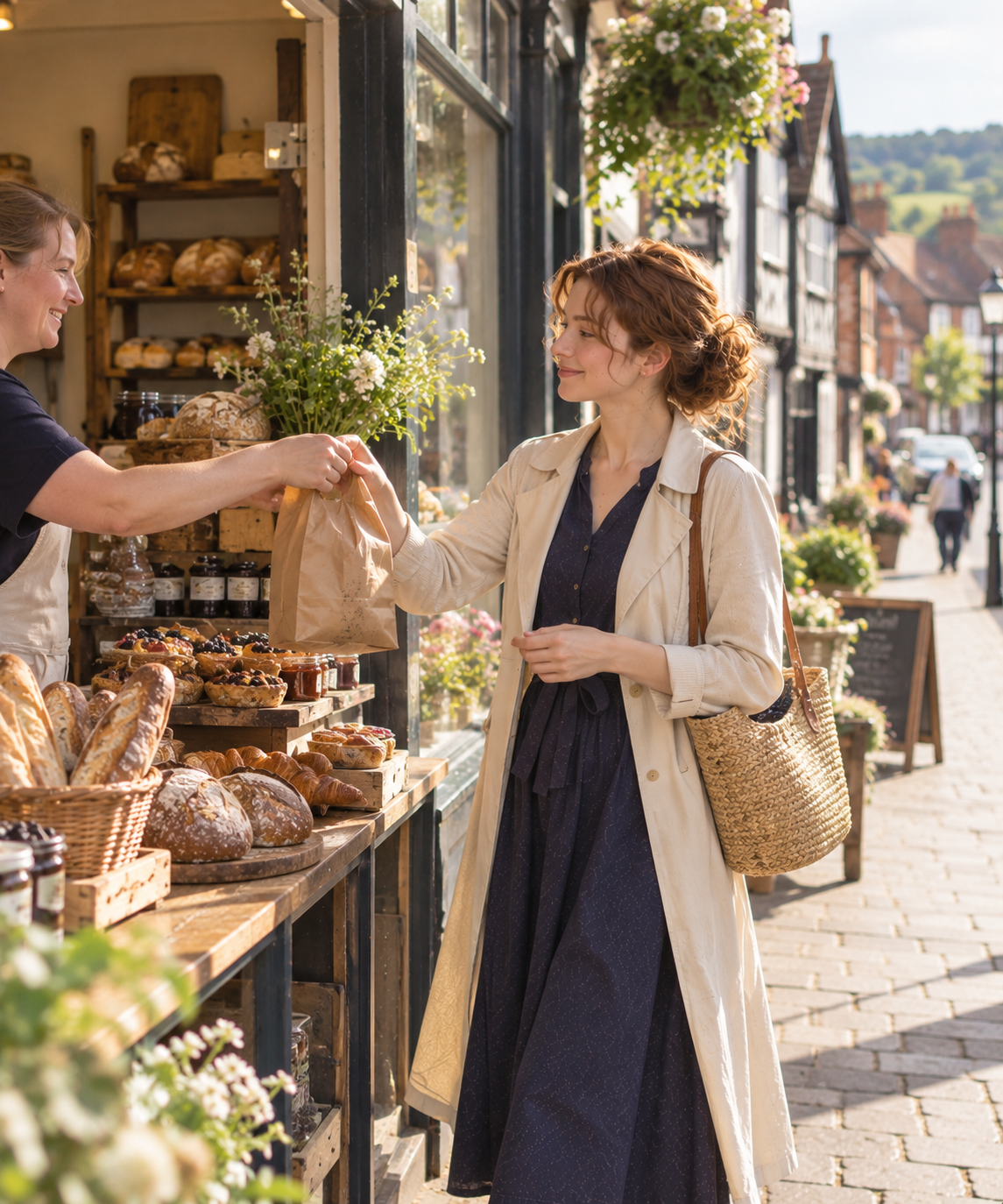
Preparing meals in a self-catering cottage or packing a lunch for a ridge walk turns simple food shopping into a tangible connection with local life.
*Conceptual image generated by AI. Actual facilities may vary.
- Ceci Paolo (21 High Street): A fine food specialist along the High Street stocking artisanal sourdough from local bakery Peter Cooks Bread, artisanal cheeses, smoked fish, handmade tarts, and fresh salads—ideal for picnic provisions and breakfast supplies.
- Traditional Butchers (D. T. Waller & Sons / LDA Meats): Located along The Homend, this established family butcher provides handmade specialty sausages, seasonal game, and freshly baked savory pies, with friendly counter service.
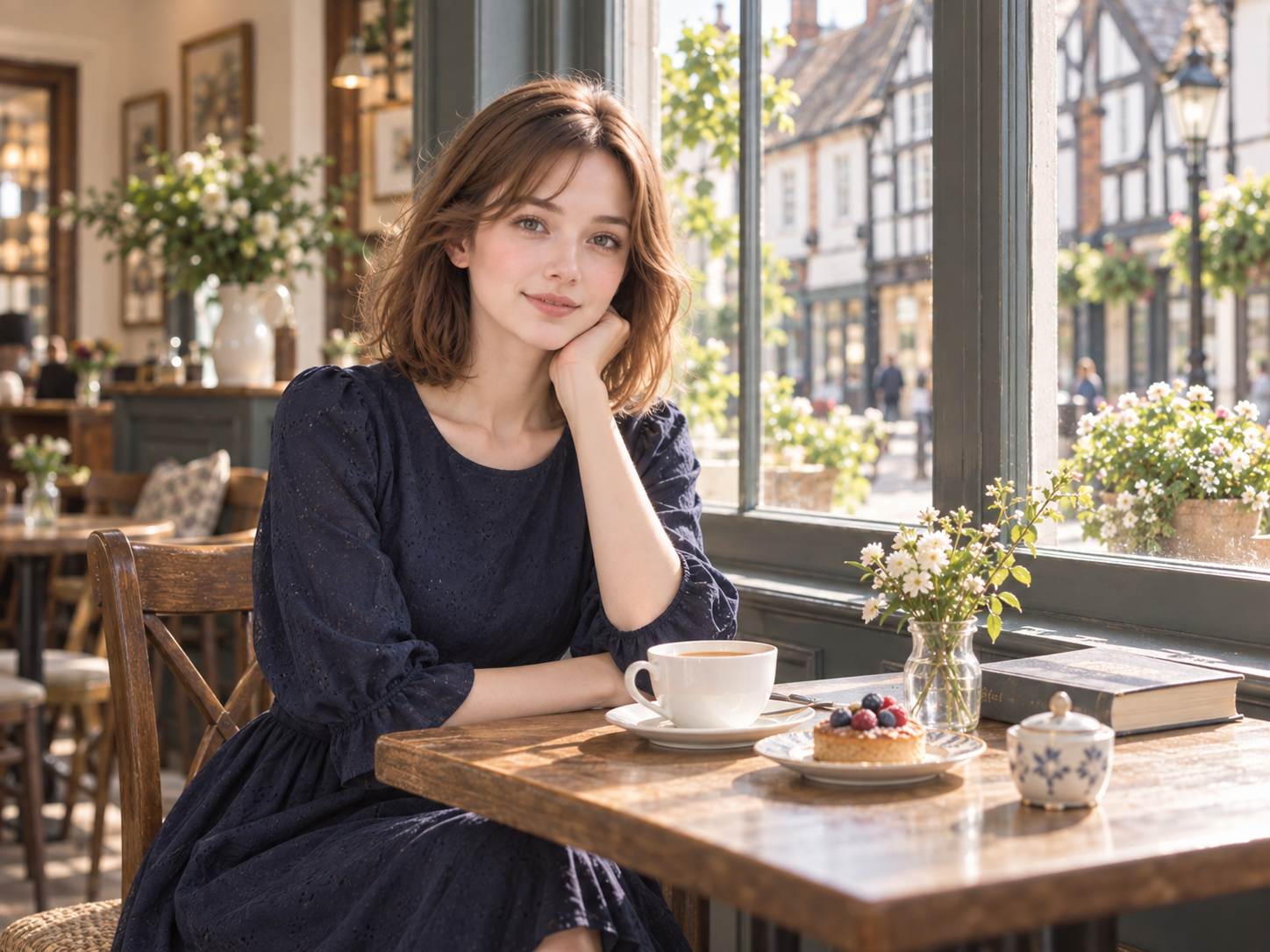
*Conceptual image generated by AI. Actual facilities may vary.
Taking time to stroll through local food shops gives travelers a genuine taste of Herefordshire’s agricultural richness. After gathering fresh provisions, stepping into a neighborhood pub offers another layer of quiet comfort.
- The Prince of Wales (Church Lane): A traditional free house tucked along the cobbles of Church Lane. Known for its well-kept real ales and local Herefordshire ciders, it offers a welcoming, unhurried space. On Wednesday evenings, local musicians often gather for acoustic folk jam sessions.
- The Feathers Hotel Restaurant: A historic dining room featuring traditional timber beams and open fireplaces, offering wholesome, comforting dishes and classic Sunday roasts made with regional produce.
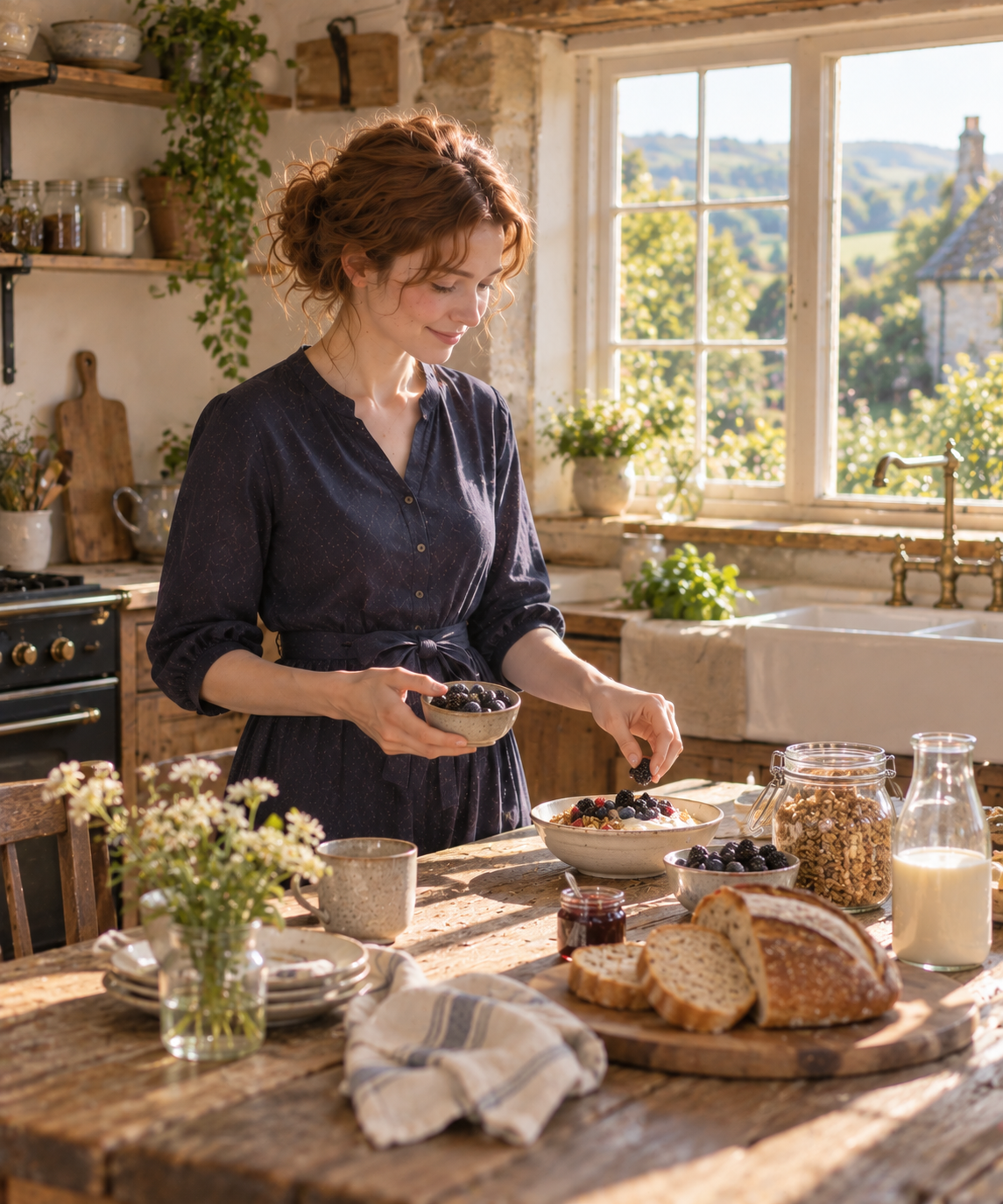
*Conceptual image generated by AI. Actual facilities may vary.
For travelers staying in a cottage with its own kitchen, breakfast becomes a tranquil morning ritual. Bringing home fresh seasonal berries, locally churned butter, and crusty bread allows for a quiet start to the day before heading out toward the hills.
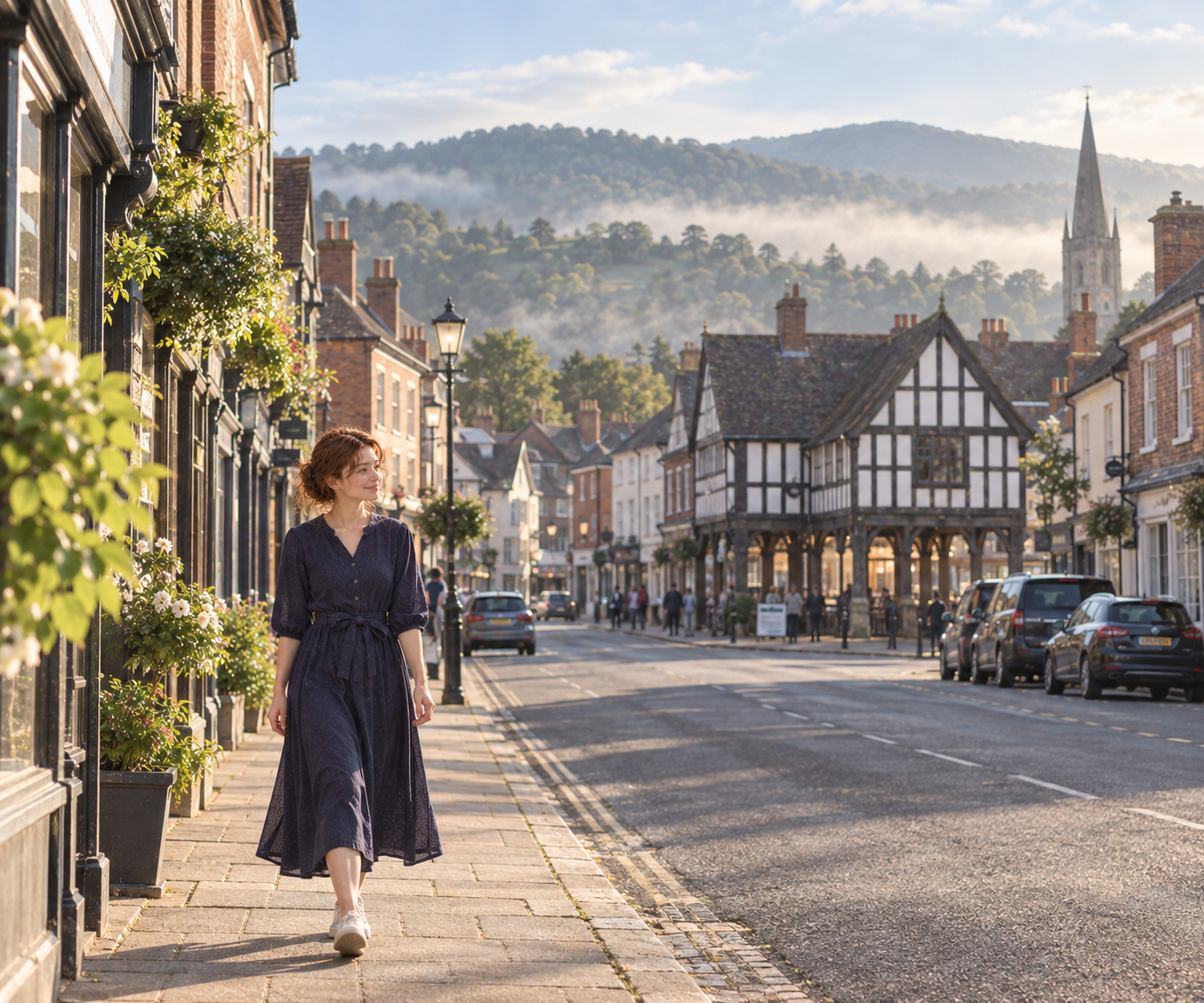
*Conceptual image generated by AI. Actual facilities may vary.
Simple food prepared with good local ingredients has a way of grounding the mind, perfectly setting the pace for a restful holiday.
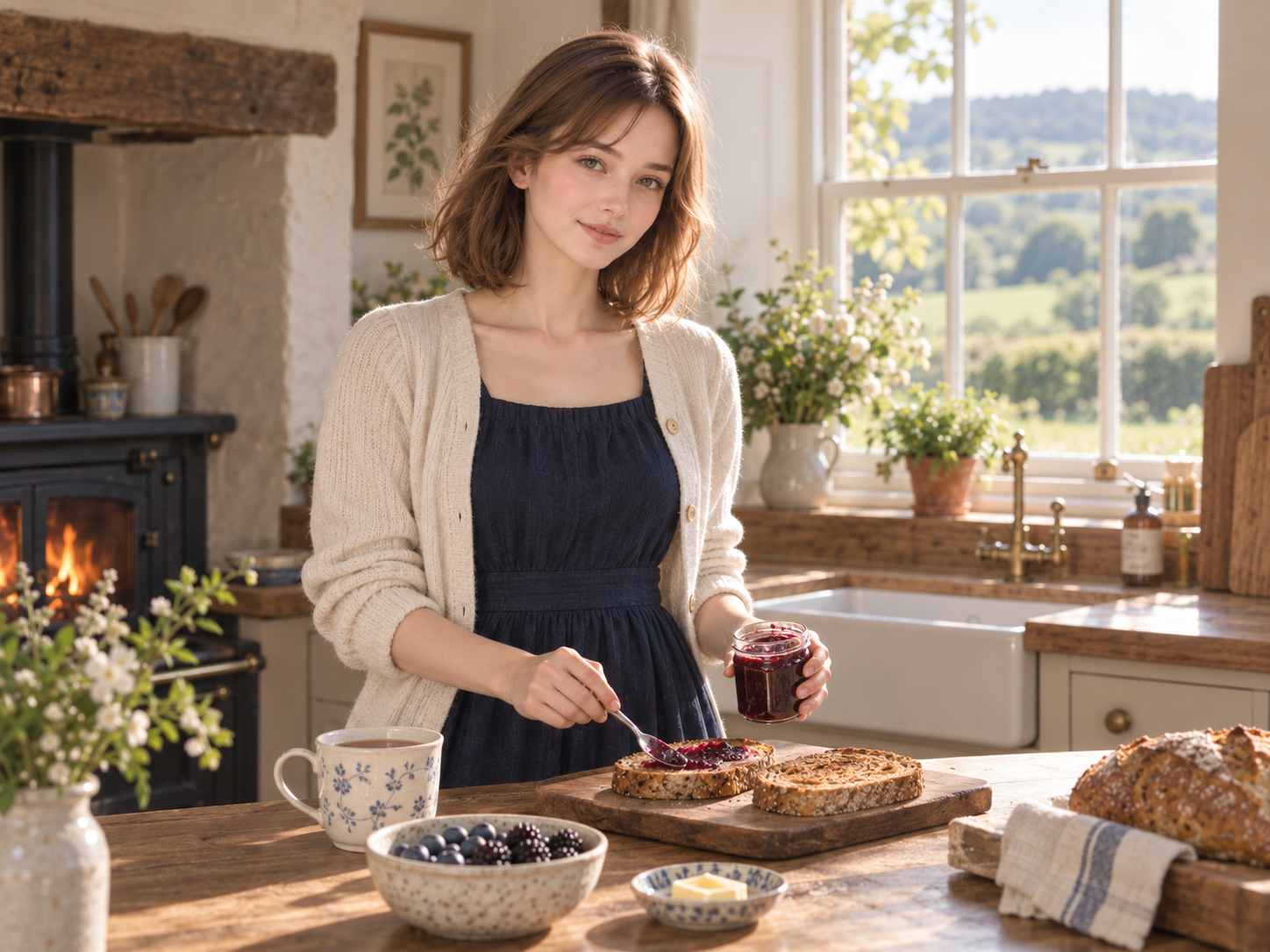
*Conceptual image generated by AI. Actual facilities may vary.
Chapter 6: Walking the Malvern Hills: Ancient Ridges and Trail Etiquette
*Conceptual image generated by AI. Actual facilities may vary.
Selected Walking Routes
- Panoramic High Point: Worcestershire Beacon (Elevation: 425m)
The highest point of the range, historically used as a beacon site during the Spanish Armada in 1588. Accessible in roughly 1 to 2 hours round trip from Great Malvern or the North Quarry car park. A granite toposcope at the summit marks panoramic views stretching across multiple counties. - Ancient Earthworks: British Camp (Elevation: 338m)
An Iron Age hillfort etched with extensive concentric ramparts. A relatively short 20-minute walk up from the British Camp car park brings travelers straight into sweeping views and open ridge breezes. - Secluded Southern Slopes: Ragged Stone Hill & Chase End Hill
Ideal for those seeking fewer visitors and a quieter walking rhythm. The gentle grassy trails and tree-lined slopes allow walkers to enjoy solitary paths accompanied by the wind and wildlife.
*Conceptual image generated by AI. Actual facilities may vary.
Refreshment Stops on the Trails
- Sally’s Place: A beloved, unpretentious kiosk situated along the road beneath British Camp, offering hot tea, homemade takeaway sandwiches, and scones for passing walkers.
- Cafe H2O: Located inside the GeoCentre at Wyche Cutting. A pleasant place for a warm drink or soup while browsing regional geology maps. Opening days and hours vary by season, so checking in advance is advised.
Countryside Code & Trail Manners
Livestock grazing is essential to maintaining the open grasslands and historic landscape of the hills.
- Dog Control: Keep dogs under effective control at all times, and use a lead around livestock. On Open Access land, leads may be legally required during certain seasons or in specific areas, so always check local signage. (If cattle or horses charge and you feel threatened, official guidelines advise releasing the dog’s lead for human safety.)
- Farm Gates: As a fundamental rule of the Countryside Code, leave all gates as you find them. Some gates are intentionally left open by farmers for livestock movement; always follow any posted signs.
- Waste: Litter bins are not provided across most ridge sections. Plan to carry all rubbish back down with you.
Chapter 7: Access and Logistics: Rail, Road & Parking
Arriving by Train (GWR & Regional Services)
- From London: Great Western Railway (GWR) operates direct services between London Paddington and Ledbury (taking approximately 2 hours 40 minutes, though service frequency is limited and checking current timetables is recommended). Alternatively, services run from London Euston via Birmingham New Street with connections toward Hereford.
- From Great Malvern: Ledbury is only 11 to 15 minutes away by direct train, passing smoothly beneath the hills via the historic Colwall Tunnel.
- Ledbury Station Facilities: A small station where tickets are purchased via automated ticket machines, as there is no staffed ticket counter. Step-free access has direction-specific restrictions, so passengers requiring assistance should consult National Rail beforehand. Toilets are listed in current official station facilities, though operating hours may vary.
Arriving by Car and Parking Guidance
- Driving Route: Easily reached via the A417 after leaving Junction 2 of the M50 motorway.
- Town Parking: In council-operated pay-and-display car parks managed by Herefordshire Council, a “Pop and Shop” scheme allows the first 30 minutes free of charge once per vehicle per day. Even when utilizing the free 30 minutes, drivers must enter their registration number at the machine and display the issued ticket inside the vehicle.
- Malvern Hills Trust Car Parks: Major trail car parks (including British Camp and North Quarry) operate on fees of £6.50 for a day ticket and £3.75 after 6:00 PM (card payment machines installed; cash accepted at select locations). These parking revenues directly fund the conservation and upkeep of the hills.
*Conceptual image generated by AI. Actual facilities may vary.
Official Resources & Further Reading
For verified trail maps, historic building access, up-to-date train schedules, and regional details, please consult the official authorities:
-
Malvern Hills Conservation Trust (Official Trails & Parking):
Malvern Hills Trust (Official Website) -
Herefordshire Tourism Board (Official Destination Guide):
Visit Herefordshire (Official Portal) -
Ledbury Heritage & Historic Buildings:
Ledbury Places -
UK Train Reservations & Service Updates:
Great Western Railway (GWR Official Site)
Comprehensive Travel Disclaimer & Practical Notices
- AI-Generated Conceptual Imagery: The visual depictions accompanying this guide are conceptual images generated with artificial intelligence (AI) to illustrate the historic architecture, atmospheric light, and natural textures of the region. They do not represent exact photographic documentation of specific private rooms or current commercial interiors. Please consult individual property websites for exact photographs.
- Pricing, Hours & Seasonal Variations: Accommodation rates, opening hours for independent shops and pubs, train schedules, and parking tariffs remain subject to change and seasonal adjustments. All stated figures serve as general benchmarks. Readers are advised to confirm details directly through official provider channels prior to travel.
- Hill Walking & Self-Reliance: The footpaths across the Malvern Hills feature steep granite outcrops, exposed ridges, and areas of deep mud, where weather conditions can shift unexpectedly. Travelers are responsible for their own safety by choosing appropriate routes, wearing proper walking footwear, and carrying suitable waterproof gear.
- Dietary Requirements: Rural villages and traditional pubs may have limited options for specialized dietary restrictions or severe food allergies. Travelers requiring strict dietary accommodations are encouraged to verify menus in advance or choose self-catering cottages.
- Independent Planning & Third-Party Arrangements: Vehicle rentals, insurance coverage, and travel schedules are managed at the sole discretion of the traveler. The author and publisher accept no liability for travel disruptions, changes in transit schedules, weather delays, or disputes arising from third-party bookings.
Comments