
Slow travel is not an exercise in romantic idleness, but a deliberate method of engaging with geography, infrastructure, and the genuine tempo of a place. During the two and a half years I spent living across New Zealand, my approach to travel was defined largely by avoiding congested visitor corridors and instead integrating into the quiet, functional rhythms of regional settlements and expansive agricultural land.
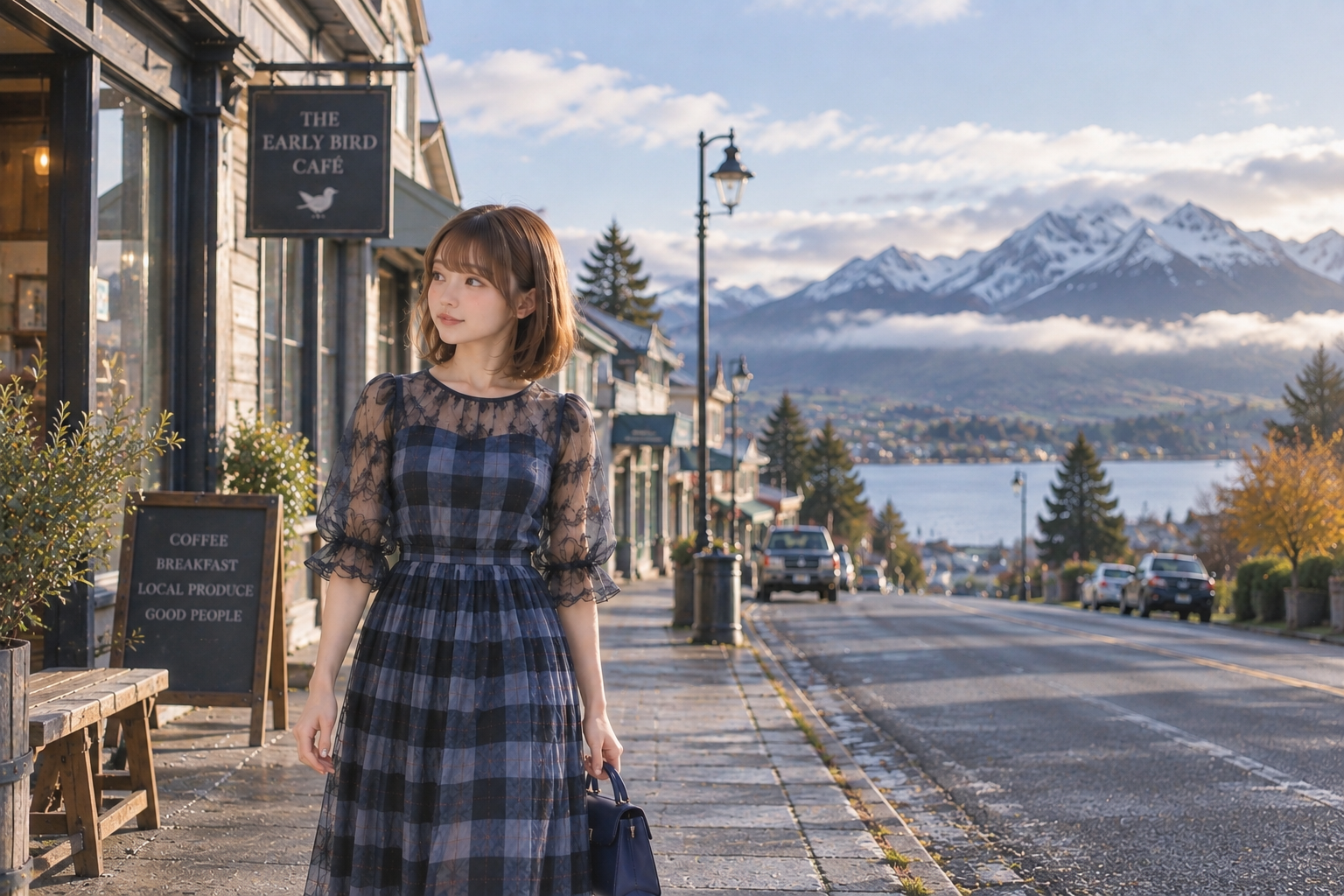
The mornings in regional New Zealand have a sharp, physical clarity dictated by maritime weather patterns and sparse population density. In the small coastal and inland towns I inhabited, daily routines started early. By 6:30 AM, when ground frost still coated the verges and residential streets were empty, local cafes opened their doors. These establishments, often operating under unpretentious names like the “Early Bird,” served as functional hubs for farm managers, local tradespeople, and early commuters rather than stylized tourist stops.

Sitting outside on an open timber terrace in the crisp sub-Antarctic air, holding a flat white or a plain black coffee, provided an unobstructed view of how the town woke up. There was no urban clamor; only the mechanical hum of an occasional diesel utility vehicle, the metallic clatter of milk crates, and the distinct, high-pitched calls of native tui birds cutting through the cold dampness. It was an environment of practical quiet, where people acknowledged one another with a nod and moved on to their work.
Beyond the town boundaries, New Zealand’s interior reveals the unfiltered realities of its natural hierarchy. The highway network cuts through vast expanses of pasture, native beech forest, and volcanic plateaus, where human presence is minimal for dozens of miles at a time. On one particular drive along an unsealed road through the central North Island, the wild nature of the ecosystem presented itself with sudden force. A large New Zealand falcon (kārearea) dropped abruptly from an overhanging pine canopy to the edge of the gravel. In a matter of seconds, it pinned an invasive brush-tailed possum on the roadside, secured the animal in its talons, and lifted heavily back over the tree line. It was a swift, functional transaction of predator and prey—a reminder of the raw, unsentimental wildlife that operates completely indifferent to human presence.

Further south, the volcanic basin of Lake Taupo offers a scale that demands patience. Spanning over 600 square kilometers, the lake feels more like an inland sea, framed by distant, snow-dusted volcanic peaks. Instead of booking organized charters, I boarded an older wooden vessel utilized by long-time regional residents. The conversations on deck were not curated histories; they were quiet, matter-of-fact exchanges about shifting wind currents, seasonal trout migrations, and the volcanic geology that shaped the central plateau over millennia. The physical scale of the lake absorbs sound, leaving only the steady thrum of an inboard engine and the low lap of cold freshwater against the hull.

The social fabric of these rural communities is best observed through their shared civil spaces. During a stay near a small farming district, I visited an open-air school ground where local children gathered across expansive grass fields. Watching groups organize informal rugby drills under vast, open skies illustrated a way of life built around open terrain, practical durability, and community cooperation. There was an absence of commercial noise; parents and neighbors assisted with athletic field maintenance, talked about rainfall totals, and managed logistics with minimal fuss.
Quiet Luxury as an Unadorned Way of Traveling
Having spent years traveling through different countries and observing various cultures, my appreciation of meaningful travel has centered around a very simple, grounded rhythm. For me, quiet luxury in travel is defined by the generous privilege of uninterrupted space, clean geography, and an unhurried, authentic reality.
In that respect, the years spent across New Zealand offered a profound appreciation of spatial quality. Sitting in an open landscape, watching the shift of weather across vast ridgelines, and sharing quiet moments with local communities allows one to simply be present. Quiet luxury is found in the enduring substance of daily life: the honest warmth of well-made wool against maritime winds, the unpretentious design of timber homes, and the deep stillness of open roads. Experiencing that degree of quiet reveals how deeply satisfying travel can be when grounded in genuine materials, honest craftsmanship, and natural silence.

After spending time around these community gatherings, returning to an isolated sheep and beef station in the evening created an absolute contrast. The silence of the open paddocks at dusk is vast and heavy. As the wind drops and the temperature falls rapidly over the hills, the ridgelines darken against an indigo sky. There is no artificial light on the horizon, no transit noise, and no demand for performance.
That dynamic—stepping into the unvarnished day-to-day operations of local communities, followed by an immediate retreat into raw, silent topography—defines the reality of living and traveling through New Zealand. It provides an enduring model of quiet travel: observant, physically grounded, and entirely free from unnecessary ornament.
Editorial Note & Travel Disclaimer
This article reflects personal observations, experiences, and historical recollections from living and traveling in New Zealand. Regional conditions, local regulations, weather patterns, and access to specific areas naturally change over time. Readers planning visits to remote or rural destinations should verify current safety conditions, respect local land guidelines, and exercise independent judgment tailored to their own travel experience and capabilities.


Comments