A One-Minute Matcha Latte: My Everyday Green Ritual in London and Tokyo
Clean, quiet, and effortlessly whisked in sixty seconds.
Here is my go-to, one-minute matcha drink recipe—a simple, refreshing cup I make in the middle of a busy day, after a morning run, or whenever I need a quick reset.
Living between the UK and Japan, picking up quality tea in Japan is effortless. Yet even when I am abroad, I stop by local organic grocers to pick up a pouch of green tea powder and prepare this drink at home.
Sitting quietly in a still room and preparing matcha with traditional utensils brings a sense of formal beauty that gently grounds the mind. It offers an irreplaceable richness when you want to return to an undisturbed inner calm.
At the same time, a quick matcha drink that can be whisked together and enjoyed in the middle of a busy lunch break or right after a brisk walk is just as essential to my everyday rhythm.
No elaborate utensils, ready in just one minute.
Here is the simple, refreshing cup I make in my kitchen, starting right with the process.
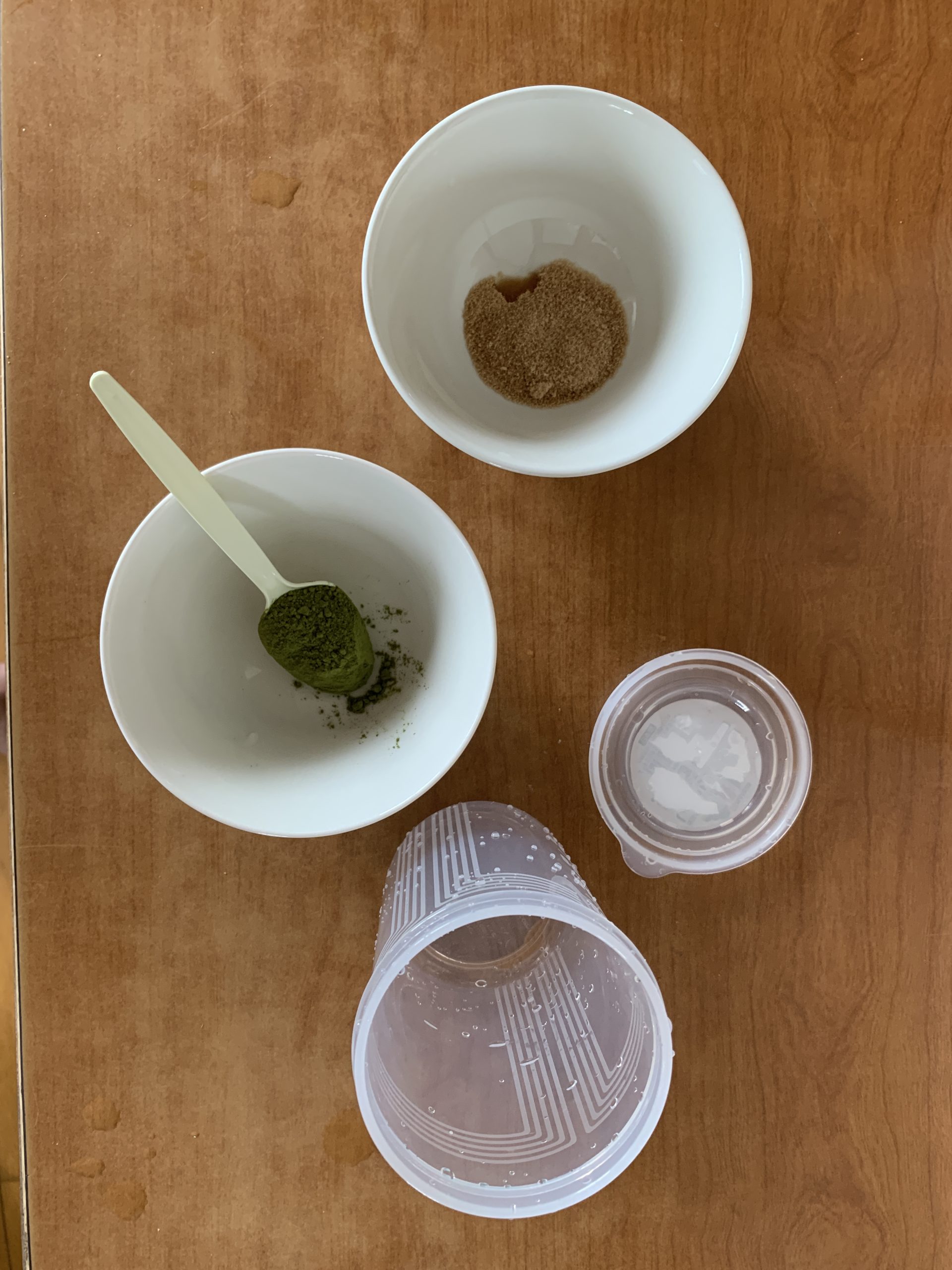
The One-Minute Step-by-Step
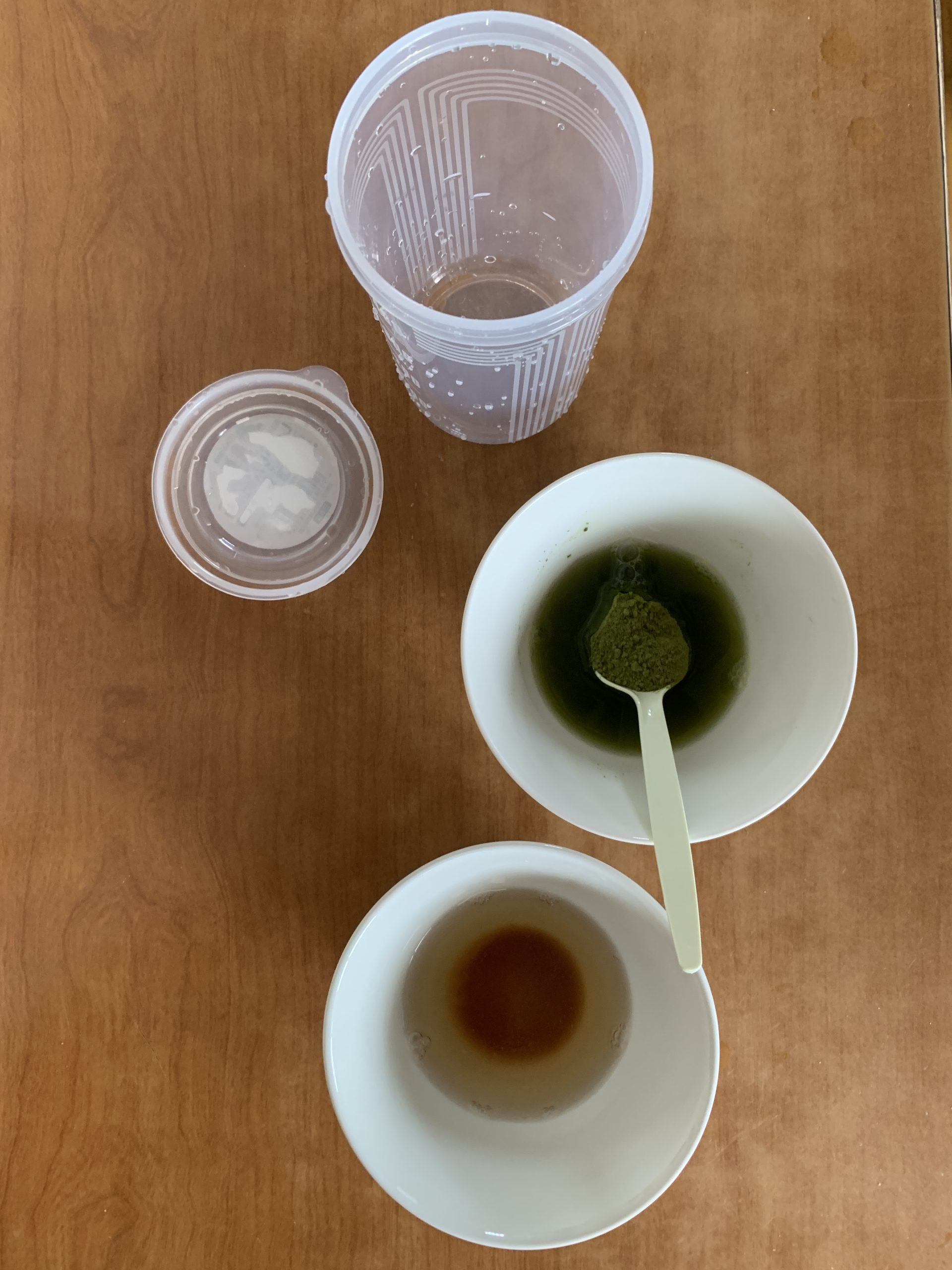
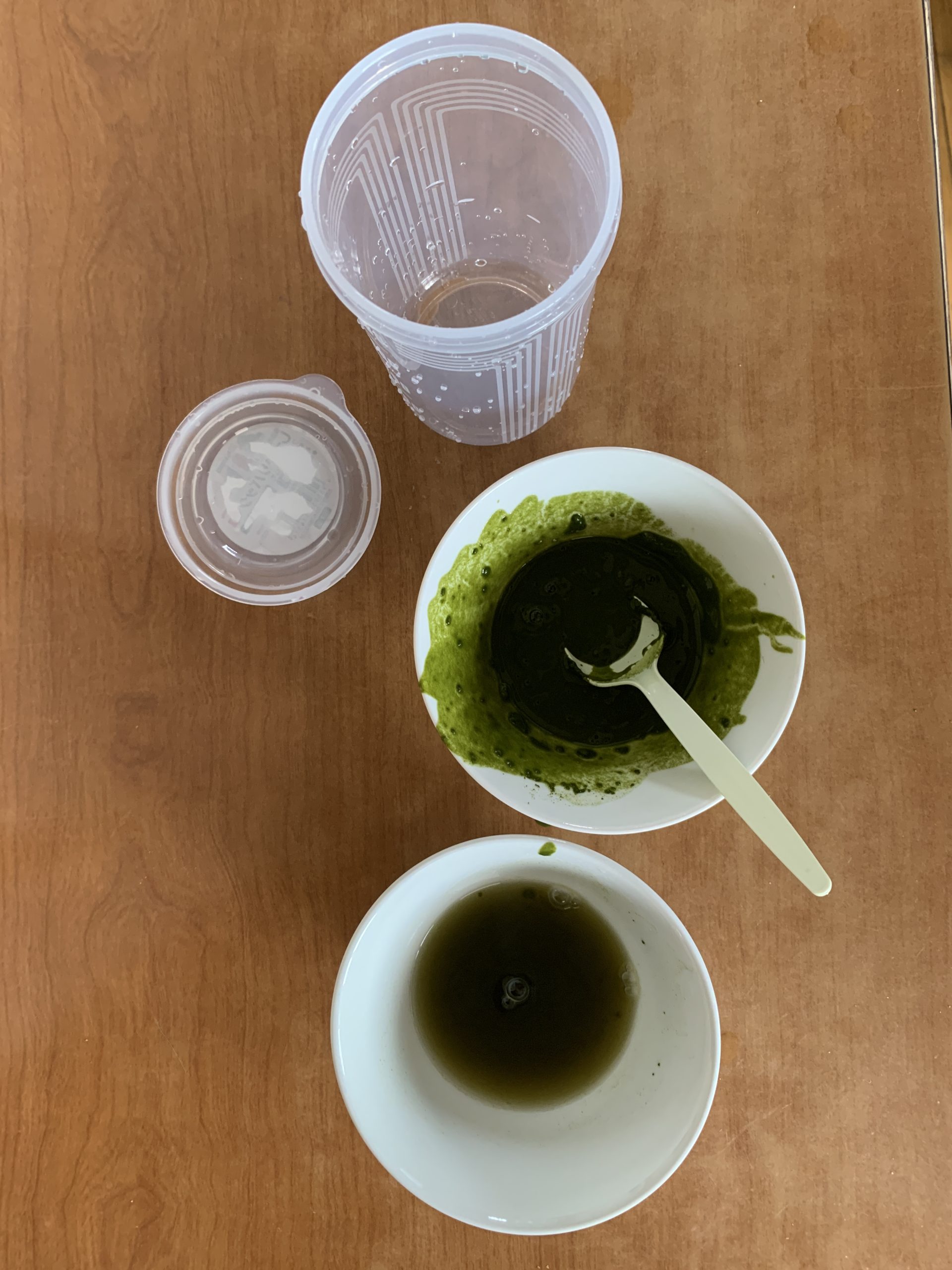
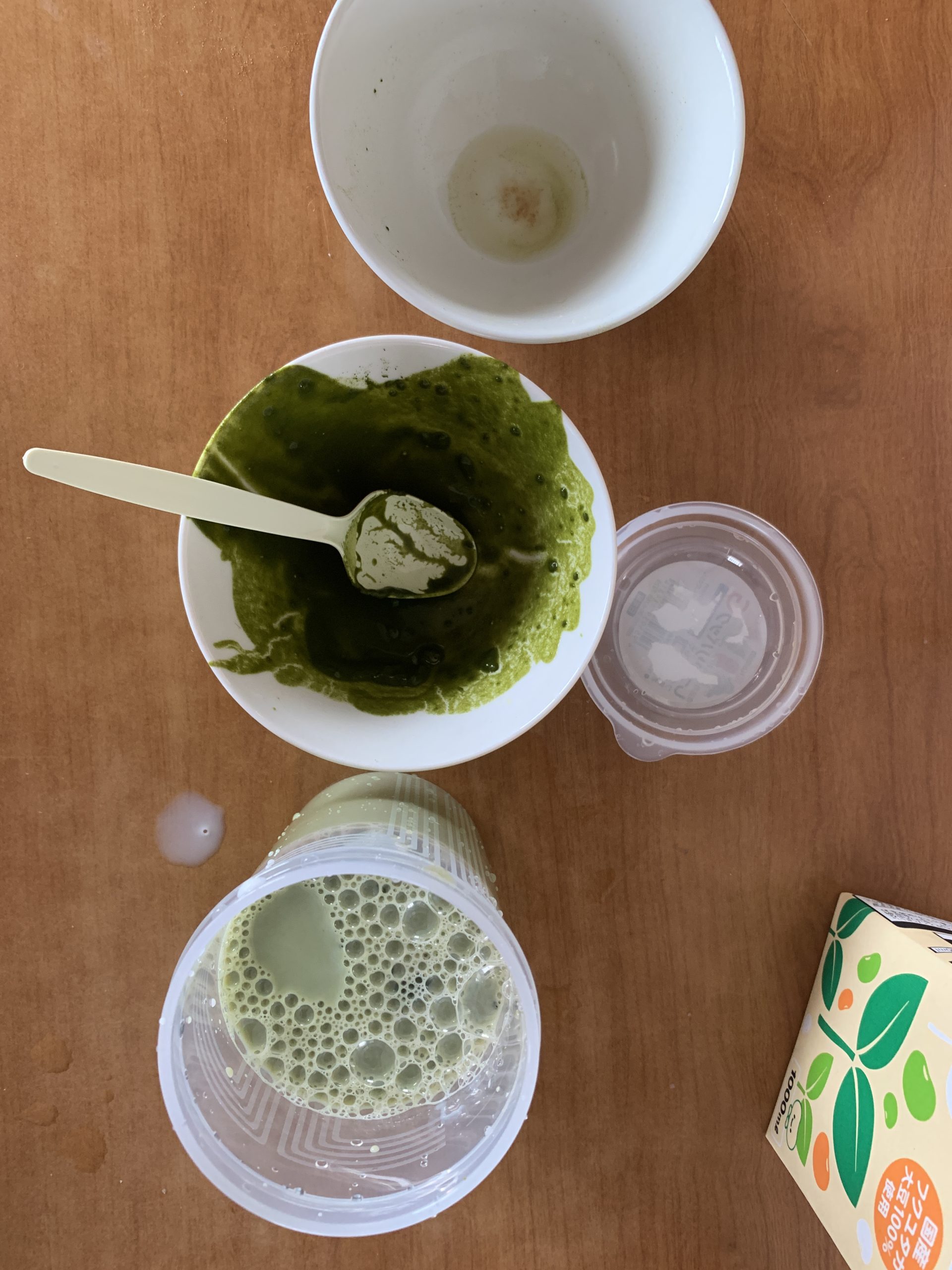
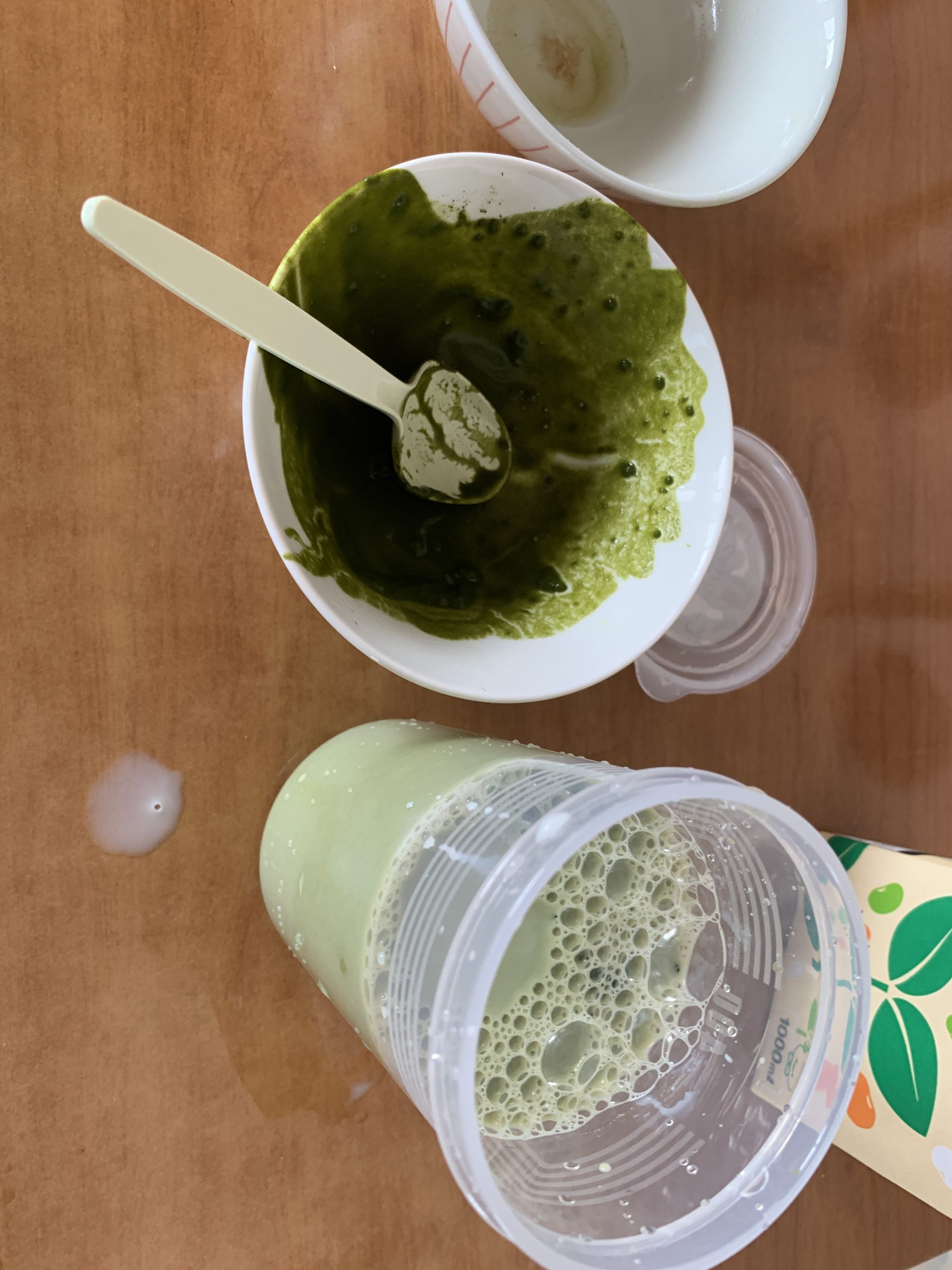
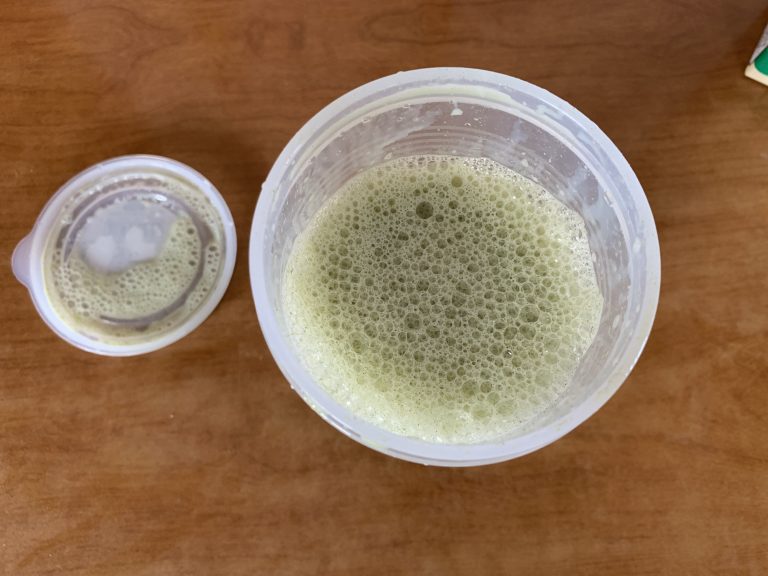
When you open the lid, you will find a fine, velvety layer of jade-tinted crema resting on top.
A Gentle Reset in Everyday Life
If you prefer not to create an extra dish to wash, you can comfortably drink it straight from the shaker container.
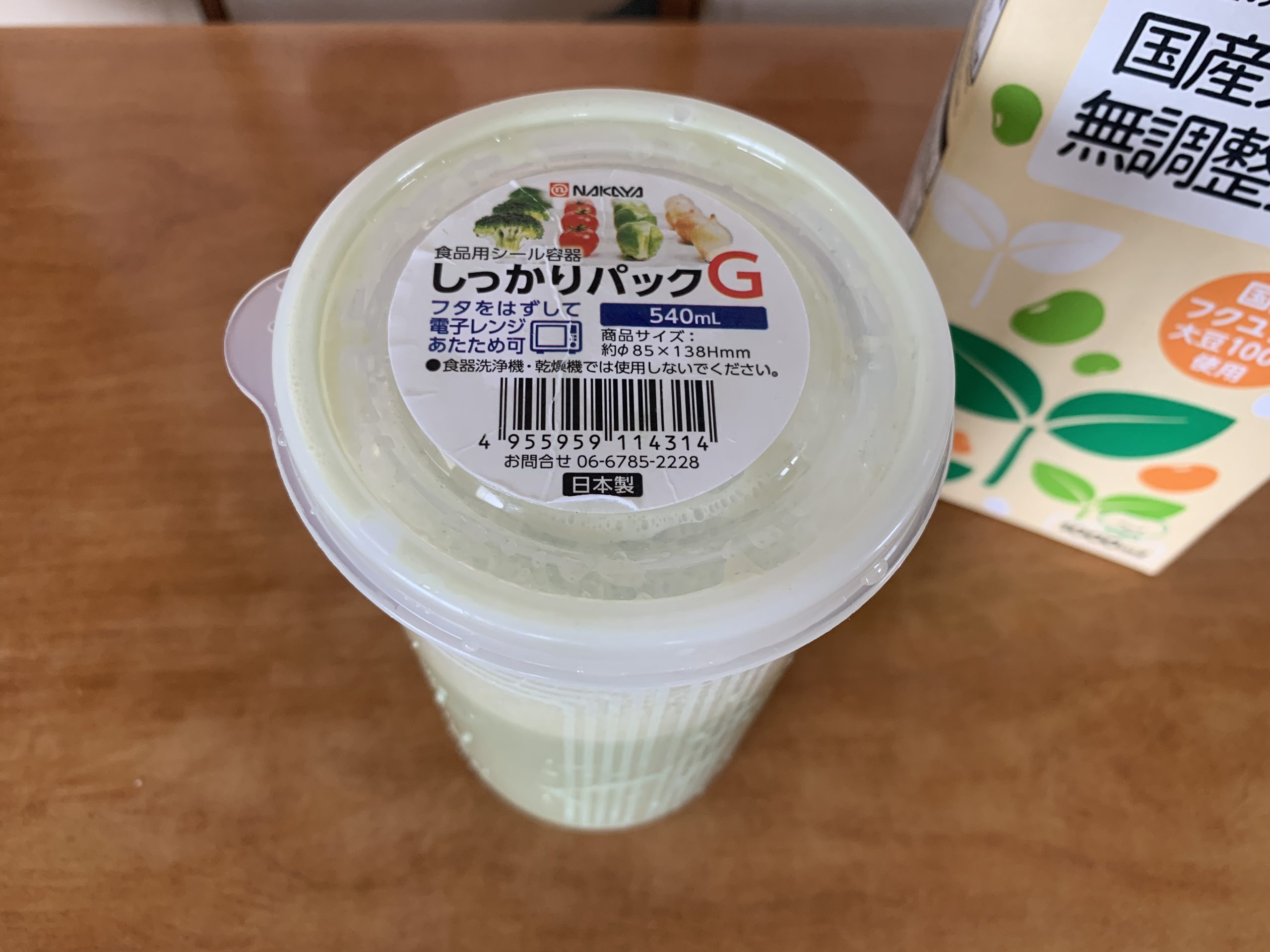
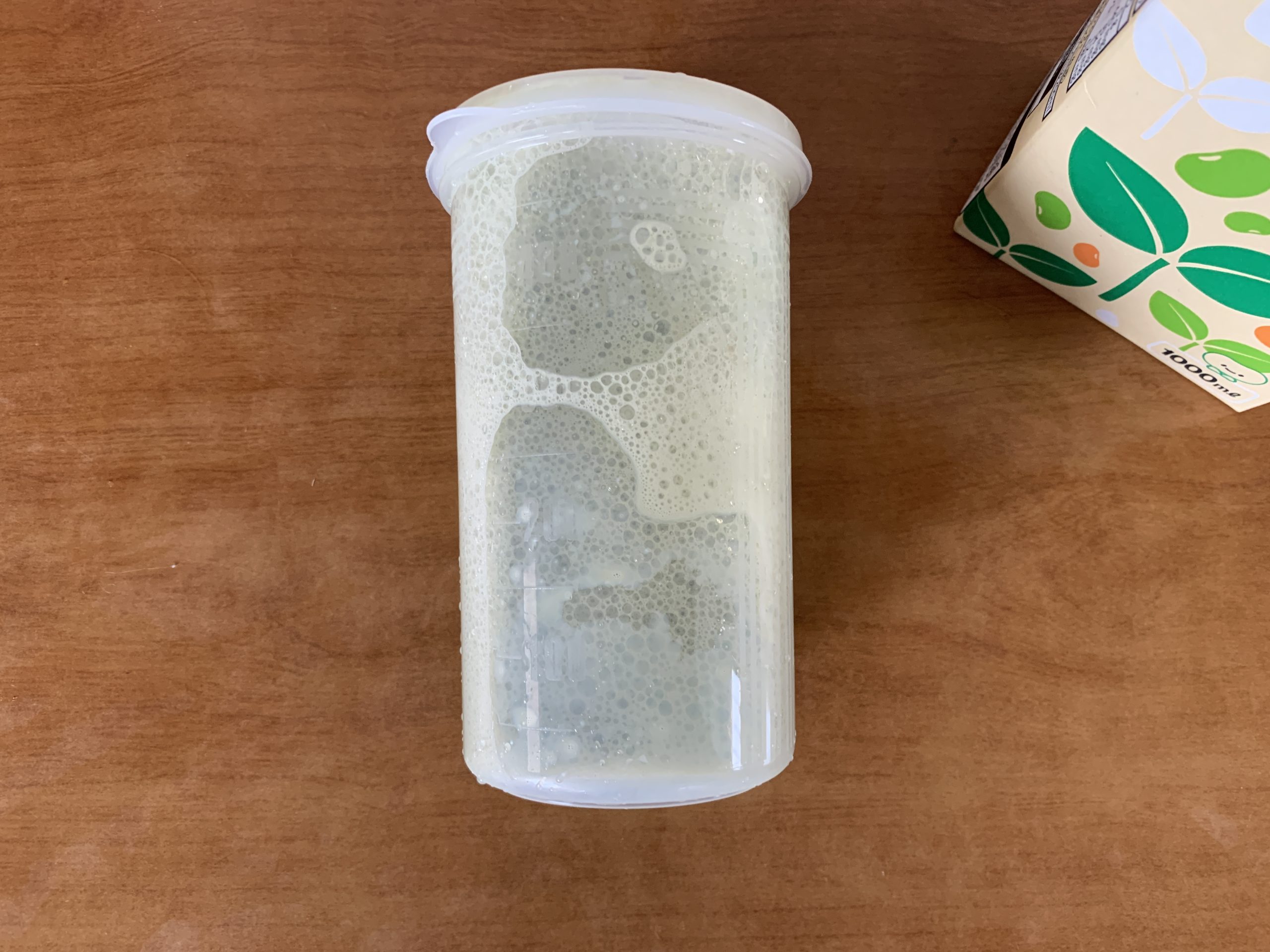
The clean, smooth body of the soy milk greets you first, followed by the lively bite of powdered green tea, melting into the caramel sweetness of unrefined cane sugar.
Whether you are enjoying a slow, meditative tea ceremony or quickly refreshing yourself after a morning walk, both rituals share the same intention: creating space to return to yourself. In a modest kitchen in London or under the warm morning skies of Japan, this sixty-second ritual offers an undisturbed pocket of calm in the middle of a full day.
What You Need (Real Everyday Ingredients & Alternatives)
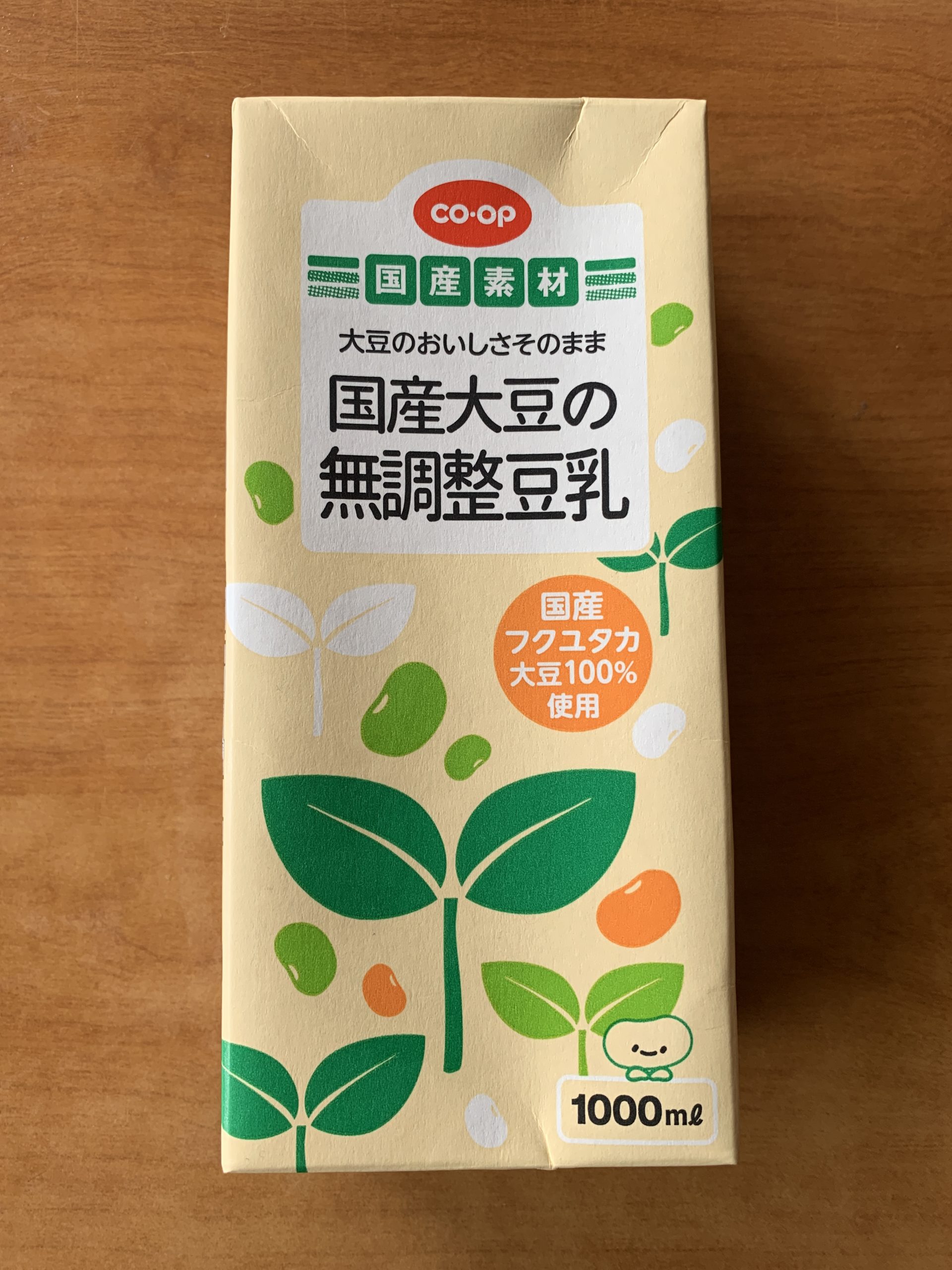
The ingredients pictured here were bought during my everyday grocery run in Japan, reflecting the beauty of simple, thoughtful regional staples:
- A small plastic shaker container: ¥100 (a basic, lightweight shaker with a leak-proof screw lid)
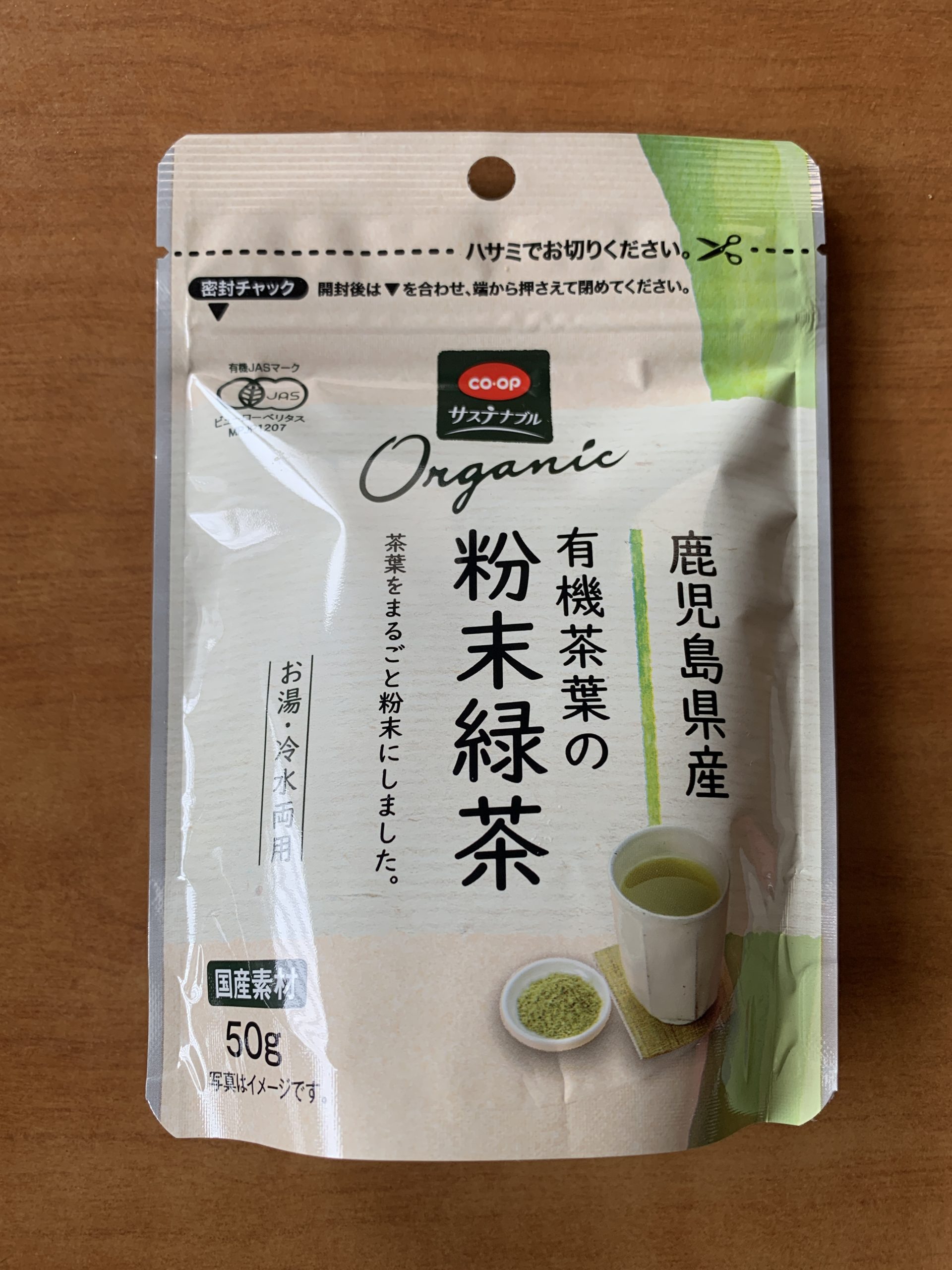
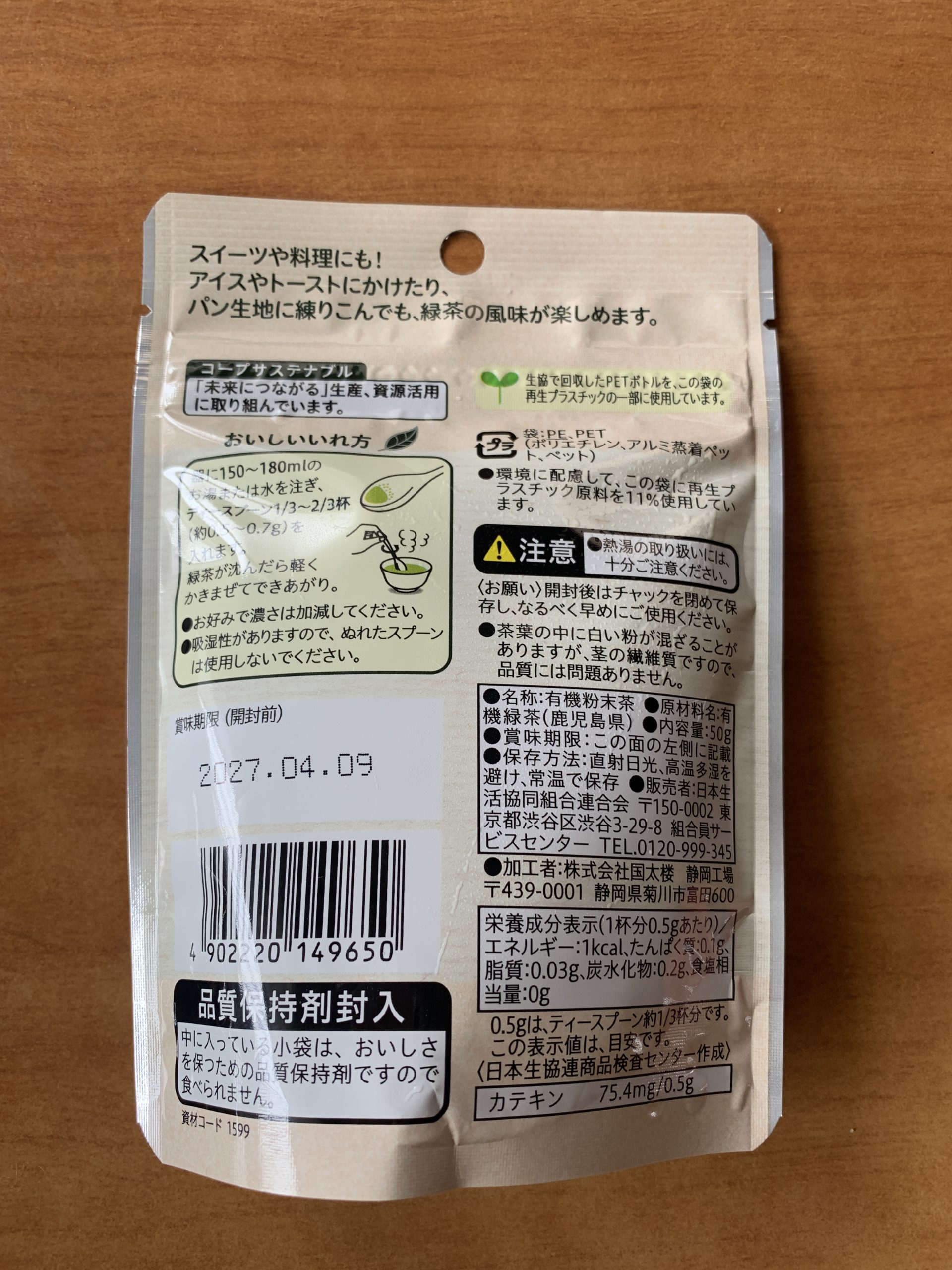
- CO-OP Sustainable Organic Powdered Green Tea from Kagoshima (50g): ¥498 (JAS-certified organic tea leaves ground whole into fine powder, processed with care in Shizuoka)
- CO-OP Pure Unsweetened Soy Milk (1,000ml): ¥238 (Made exclusively from 100% Japanese-grown Fukuyutaka soybeans, water, and nothing else)
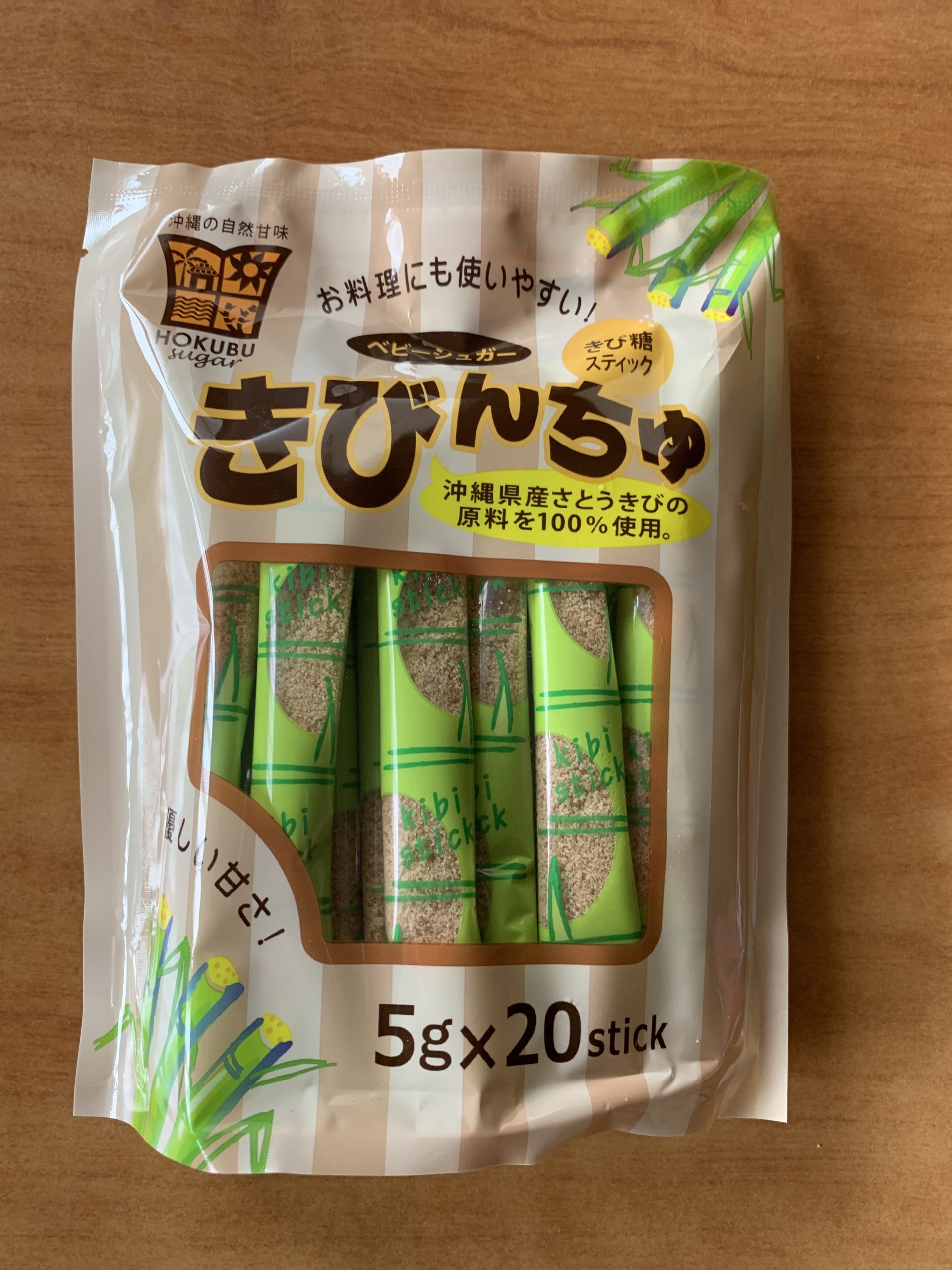
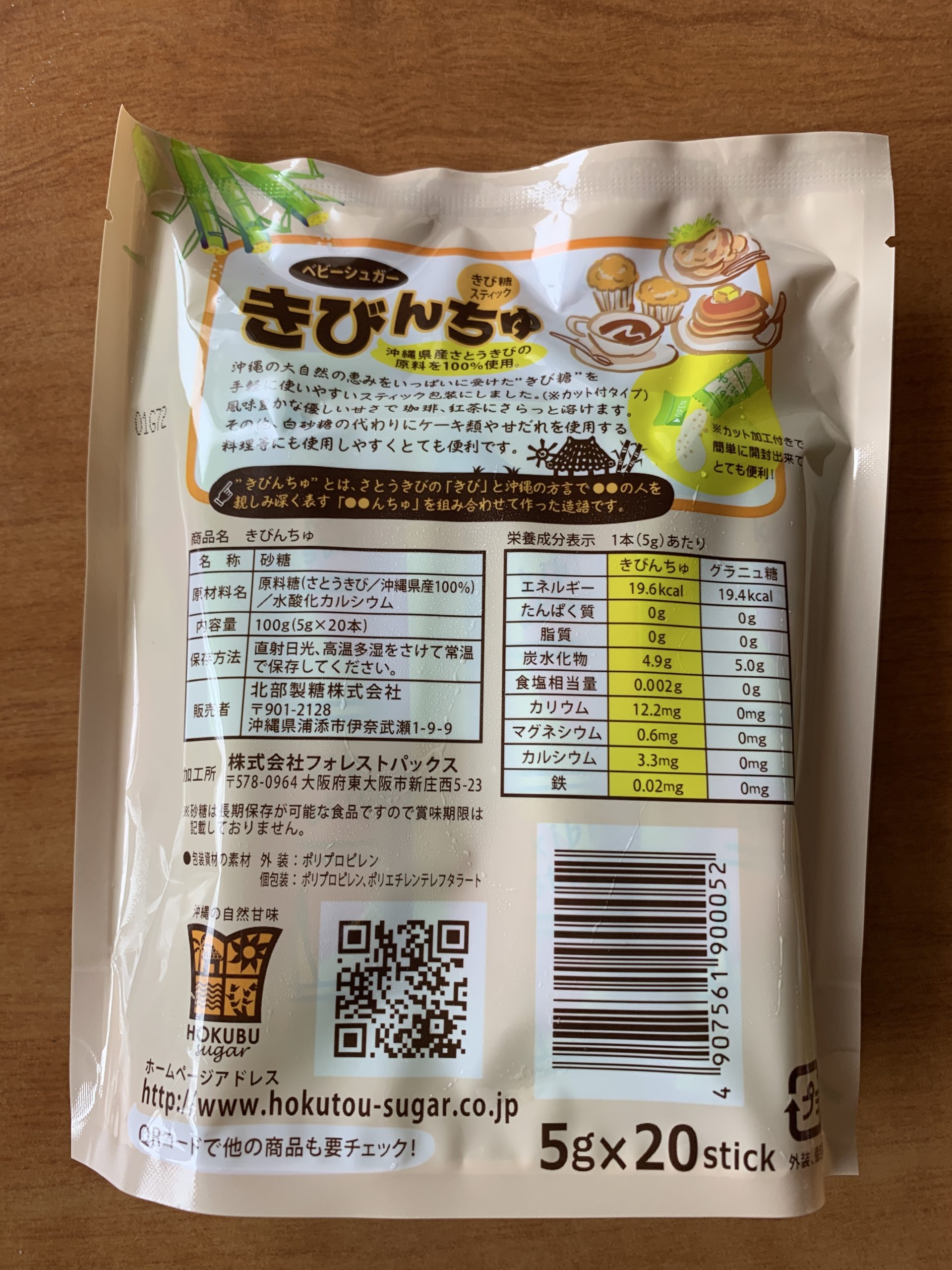
- Hokubu Sugar Okinawa Cane Sugar Sticks (“Kibinchu”, 5g × 20 sticks): ¥268 (100% raw cane sugar sourced directly from Okinawa’s sun-drenched sugarcane fields)
Naturally, if you are stocking your pantry abroad in places like London, Japanese green tea powder will carry an import premium. Beyond the powder, the rest of the elements are easily adapted:
Why Organic Powdered Tea from Kagoshima?
When speaking of historic Japanese tea, regions like Shizuoka—blessed with crystalline snowmelt from Mt. Fuji and master deep-steaming traditions—and Sayama naturally command deep respect.
For an everyday powdered drink, however, Kagoshima holds a special place.
Full nutrition facts & Shizuoka processing facility details on the pouch
Because this recipe consumes the entire whole tea leaf rather than discarding it after steeping, organically grown certification offers complete peace of mind. Grown on Kagoshima’s expansive volcanic Shirasu plateau under abundant southern sunshine, the tea leaves are cultivated by dedicated organic growers without synthetic chemicals. Ground whole, just half a gram delivers over 75mg of pure tea catechins along with dietary fiber and vital antioxidants.
Finished and packed with precision in Shizuoka, the powder reveals a vibrant olive-emerald hue and a clean, invigorating aroma.
When married with the mellow sweetness of pure Okinawa sugarcane and the round, nutty richness of whole Fukuyutaka soy milk, it yields a nuanced and refreshing balance.
References & Standards
- Ministry of Agriculture, Forestry and Fisheries (MAFF Japan) — Official standards and regulations for Japanese Organic JAS certification.
- Japan Tea Export Council (JTEC) — Official resource on authentic Japanese green tea varieties, regional terroir, and tea production.
- Soil Association (UK) — The UK’s leading organic certification and sustainable food farming body.

Comments