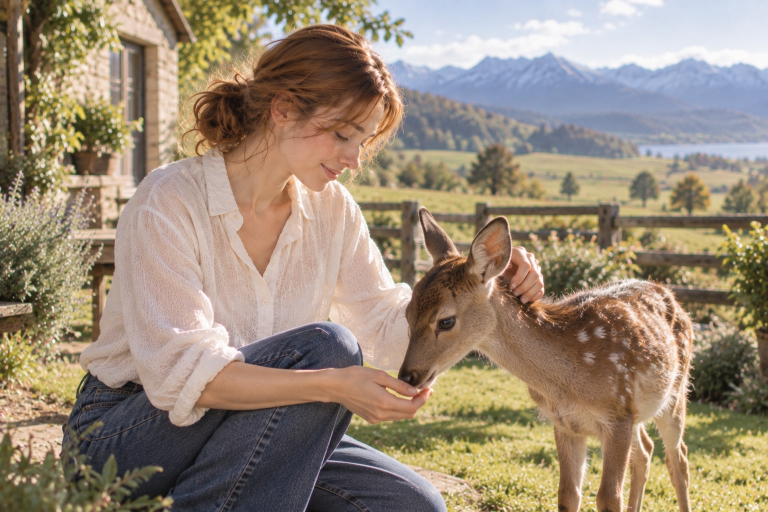
As an author who spends much of the year immersed in research, writing, and editorial projects, I have long found that stepping away from urban momentum is essential to maintaining creative clarity. Over the years, I have spent extensive periods living and working in the quiet corners of the world—from sprawling pastoral stations across New Zealand to historic stone cottages in the English countryside and regional retreats in France and Italy.
These journeys are not mere vacations; they are deliberate recalibrations of personal rhythm, sensory observation, and thought. I have documented much of the texture, landscape, and everyday architecture of these regions in my published volumes.

New Zealand Days – Auckland Dreams
By Claire Rose & Lina Whitmore
The book captures the unhurried texture of life in the New Zealand countryside: mornings spent in quiet local cafés with a cup of fresh coffee, long meditative walks through open landscapes, and the restorative cadence of ordinary days lived close to nature.
View on Amazon Kindle →In this editorial, I want to share the genuine reality of an extended countryside stay: what an unhurried week actually feels like, how to evaluate rural accommodations with an expert eye, and how the perspective cultivated in these quiet landscapes can permanently restore the quality of everyday life upon your return.
- Part I Why Spend a Week in the Countryside? Two Forms of Exceptional Travel
- Part II What Is a Week in the Countryside Actually Like? The Daily Rhythm
- Part III Farmhouse Stay, Country House, or Rural Hotel: Finding the Right Fit
- Part IV How to Find a Country Stay You’ll Actually Love: What I Look for Before I Book
- Part V The Practical Side: Food, Transport, Connectivity, and Real Budgeting
- Part VI Solo or Together: Finding the Right Kind of Quiet
- Part VII What Do You Actually Bring Back From a Week Away?
- Part VIII Bringing a Little of the Countryside Home: Rebuilding Everyday Life
- Conclusion
- Practical Resources & External Guides
Part I Why Spend a Week in the Countryside? Two Forms of Exceptional Travel
Travel reveals its highest value through distinct expressions of refinement. On one hand, there is the undeniable allure of a five-star city hotel: flawless service, architectural sophistication, culinary mastery, and the vibrant cultural pulse of a world capital right at your door. It is an elevated experience that sharpens the intellect and celebrates modern hospitality at its peak.
A quiet countryside retreat offers a distinct, complementary form of luxury: the wealth of expansive space and an unhurried, natural tempo. While a grand hotel anticipates your needs through constant attentiveness, an exceptional rural residence grants you complete sovereignty over your hours. It is an environment where you set the cadence entirely on your own terms.
This distinction becomes especially clear when compared to rapid, itinerary-driven sightseeing. Moving constantly between distant landmarks often reduces travel to another demanding schedule. By contrast, choosing to inhabit a single countryside haven for seven full days transforms your relationship with the setting. You are no longer viewing the landscape through a brief passing lens; you awaken within it, watch how the morning shadows trace the hills, and experience a rhythm where time feels substantial, measured, and genuinely restored.
Part II What Is a Week in the Countryside Actually Like? The Daily Rhythm
A common hesitation for those considering a week in the countryside is whether an open schedule might feel slow or unstructured. In practice, the absence of a rigid timetable does not create an empty void; it restores the natural clarity and richness of an undivided day.
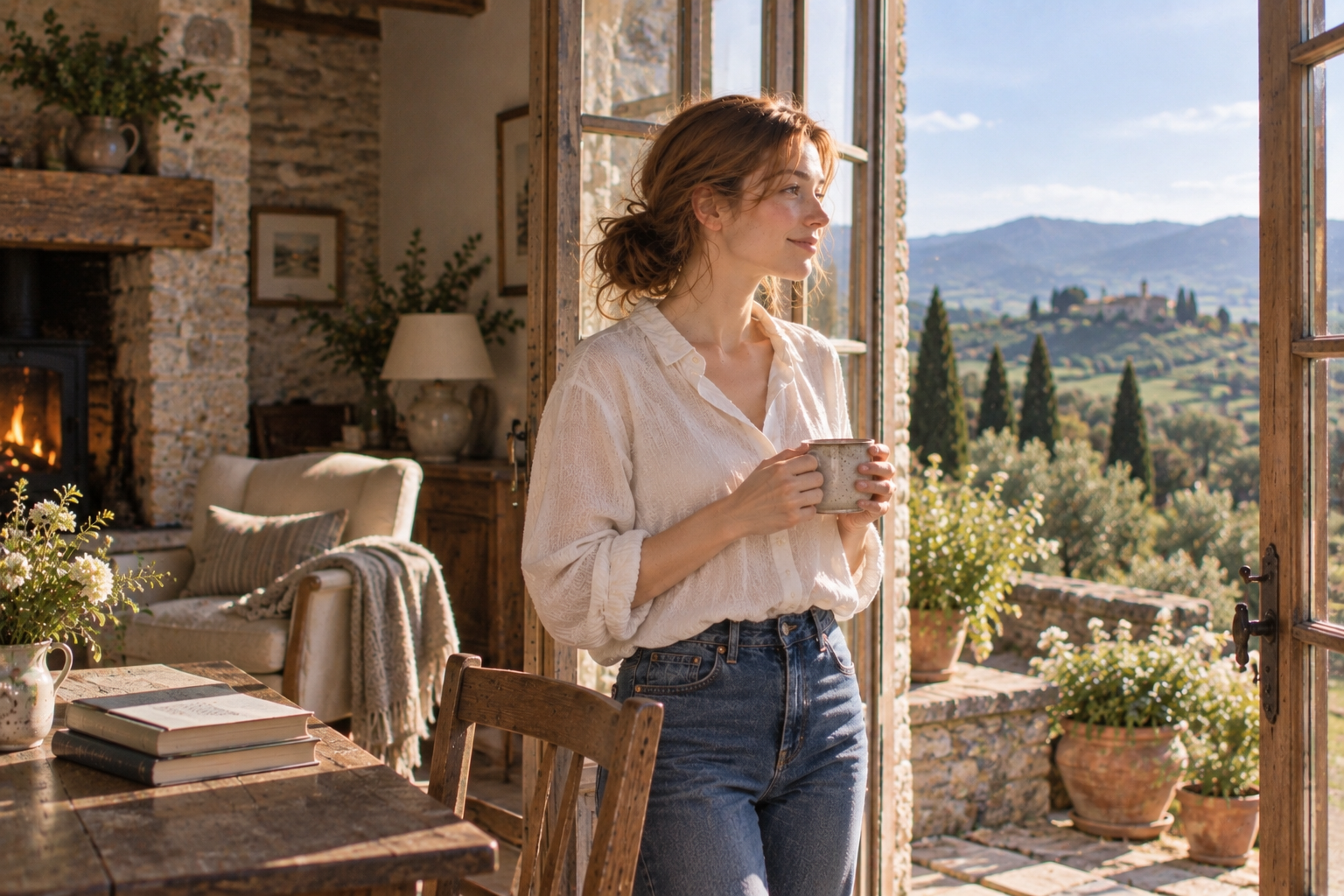
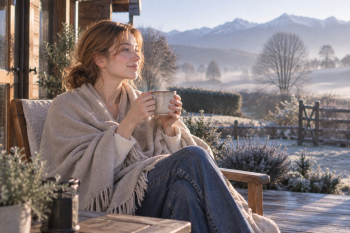
The morning begins with pure atmospheric stillness. In a stone farmhouse or rural lodge, the early hours arrive with a clean, brisk edge in the air, the gentle warmth of natural timber, and the quiet pleasure of brewing fresh coffee while the sun crests the horizon. Looking across open paddocks in New Zealand, morning mist in the English countryside, or terraced olive groves in Tuscany, the day begins with total presence.
The midday hours develop an effortless, organic tempo:
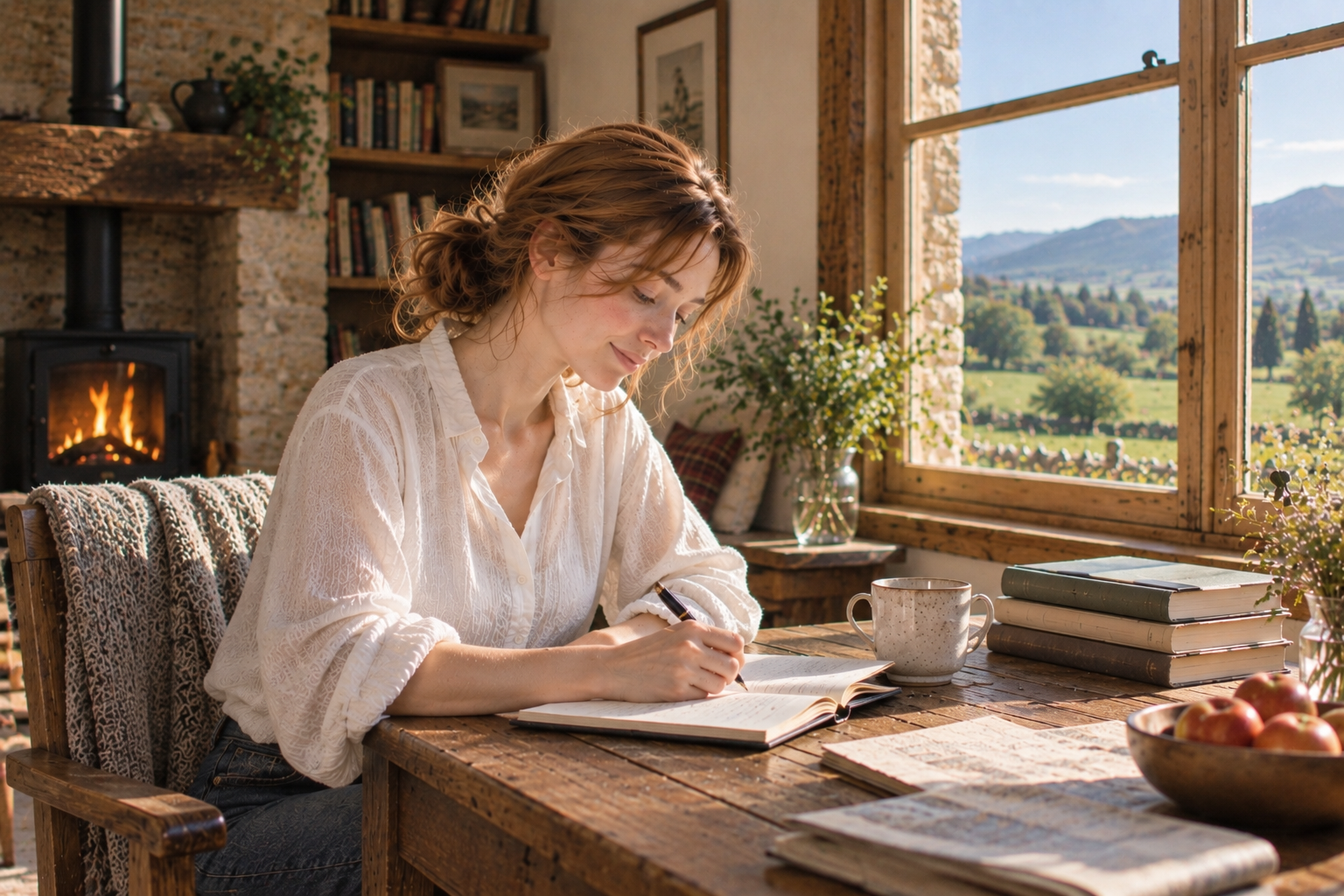
- The Clarity of Deep Focus: Mornings settled beside a panoramic casement window, dedicating three or four uninterrupted hours to writing, reading, or conceptual work without digital interruptions.
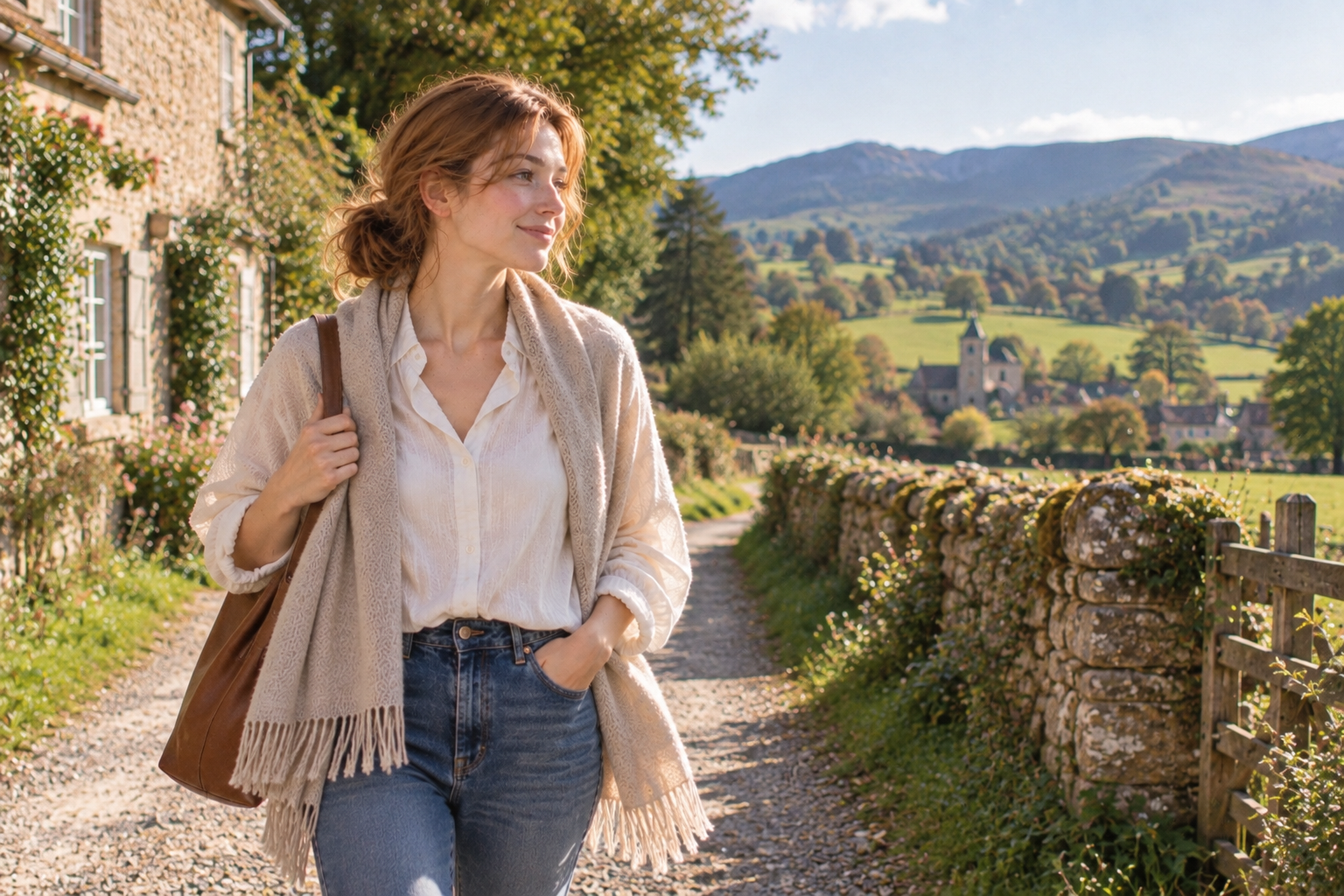
- Leisurely Countryside Walks: Walking along quiet, unpaved lanes and through historic woods, taking in the scent of pine, earth, and cedar.
- The Comfort of Interior Life: When rain arrives, the quality of the space reveals its true character. Rather than interrupting the journey, a gentle downpour turns the house into an intimate sanctuary. An open hearth, rain against stone walls, and the ambient warmth of a private library offer an ideal setting for deep contemplation.
Evenings settle into graceful ease. Dinner is an unhurried affair, centered on regional wines, artisanal cheeses, and fresh seasonal ingredients from nearby village markets. Free from formal dinner reservations or rigid dress codes, the evening allows for long conversations or solitary reading as the light gradually fades into pure, star-filled country darkness.
Part III Farmhouse Stay, Country House, or Rural Hotel: Finding the Right Fit
Choosing the appropriate property establishes the entire tone of your stay, ensuring the right balance of architectural elegance, landscape, and personal privacy.
The Historic Farmhouse & Authentic Agriturismo
A genuine farmhouse retreat anchors you directly within the agricultural grace of a region. Across the rolling hills of Tuscany, the rural valleys of Provence, or the vast pastoral basins of New Zealand, these properties typically consist of restored limestone villas, timber farmhouses, or converted stone cottages. They offer an earthy, grounded nobility: panoramic vistas of working vineyards, citrus orchards, or open meadows, combined with the sensory joy of absolute seclusion. While some estates provide fresh, farm-harvested breakfasts and local honey, others operate as private self-catering domains where you dictate every hour entirely.
The Country Manor and Historic Estate
For those drawn to classical proportion and architectural heritage, an English country house or European manor estate delivers a peerless sense of quiet majesty. High coffered ceilings, exposed timber beams, generous fireplaces, and meticulously curated libraries pair with vast private parklands and formal gardens. Here, the experience centers on intellectual rest, understated luxury, and the serene weight of history.
The Curated Boutique Rural Inn
A small countryside hotel bridges independent rural retreat and discreet hospitality. Often limited to a handful of individually designed suites, these sanctuaries eliminate everyday logistics through personalized concierge attention and fine localized dining. They offer a restful, private base for travelers who wish to immerse themselves in rural beauty without overseeing their own temporary household.
Part IV How to Find a Country Stay You’ll Actually Love: What I Look for Before I Book
Discerning travelers recognize that true tranquility is not accidental. It requires looking beyond picturesque angles to verify the architectural, spatial, and acoustic realities of the estate.
Spatial Distance and Aerial Verification
Before confirming a reservation, examine the property’s broader surroundings using satellite mapping. Ensure the residence is protected by an ample buffer of land—private woods, vineyards, or rolling acreage—safely distanced from regional transit corridors, through-roads, or active commercial venues. True quietude demands genuine geographical privacy.
The Integrity of Materials and Light
Prioritize properties constructed with authentic, natural materials that age with dignity:
- Tactile Materials: Solid oak or walnut furnishings, hand-cut stone masonry, lime-washed walls, and pure linen and wool textiles that feel wonderful to the touch.
- Thoughtful Exposure: Generous south-facing casement windows that welcome sweeping natural light across reading tables and writing corners.
- Spatial Grace: Uncluttered layouts featuring dedicated reading chairs, functional writing desks, and well-designed interior proportions that foster calm contemplation.
Reading Between the Lines of Guest Reviews
Evaluate reviews through a focused editorial lens. Search for consistent affirmations of sound insulation, star-filled night skies, discreet hospitality, and true acoustic peace. Consistent praise for undisturbed sleep, efficient climate control, and generous private grounds confirms that a property delivers the restful solitude it promises.
Part V The Practical Side: Food, Transport, Connectivity, and Real Budgeting
A truly seamless countryside stay is built on effortless, discreet logistics. Handling these four operational elements in advance guarantees that your days remain entirely focused on rest, thought, and beauty.
Private Transport and Navigating the Route
Across regions such as the Cotswolds, Andalusia, or New Zealand’s South Island, a capable, comfortable private vehicle is essential. Secluded country properties naturally lie far beyond standard transit lines, and having your own wheels provides total freedom to explore regional scenic valleys and artisan workshops. Confirm the driving time from the nearest airport or regional train station, and verify whether the estate’s private approach road requires an all-wheel-drive vehicle during autumn or winter months.
Curated Provisioning and the Art of the Table
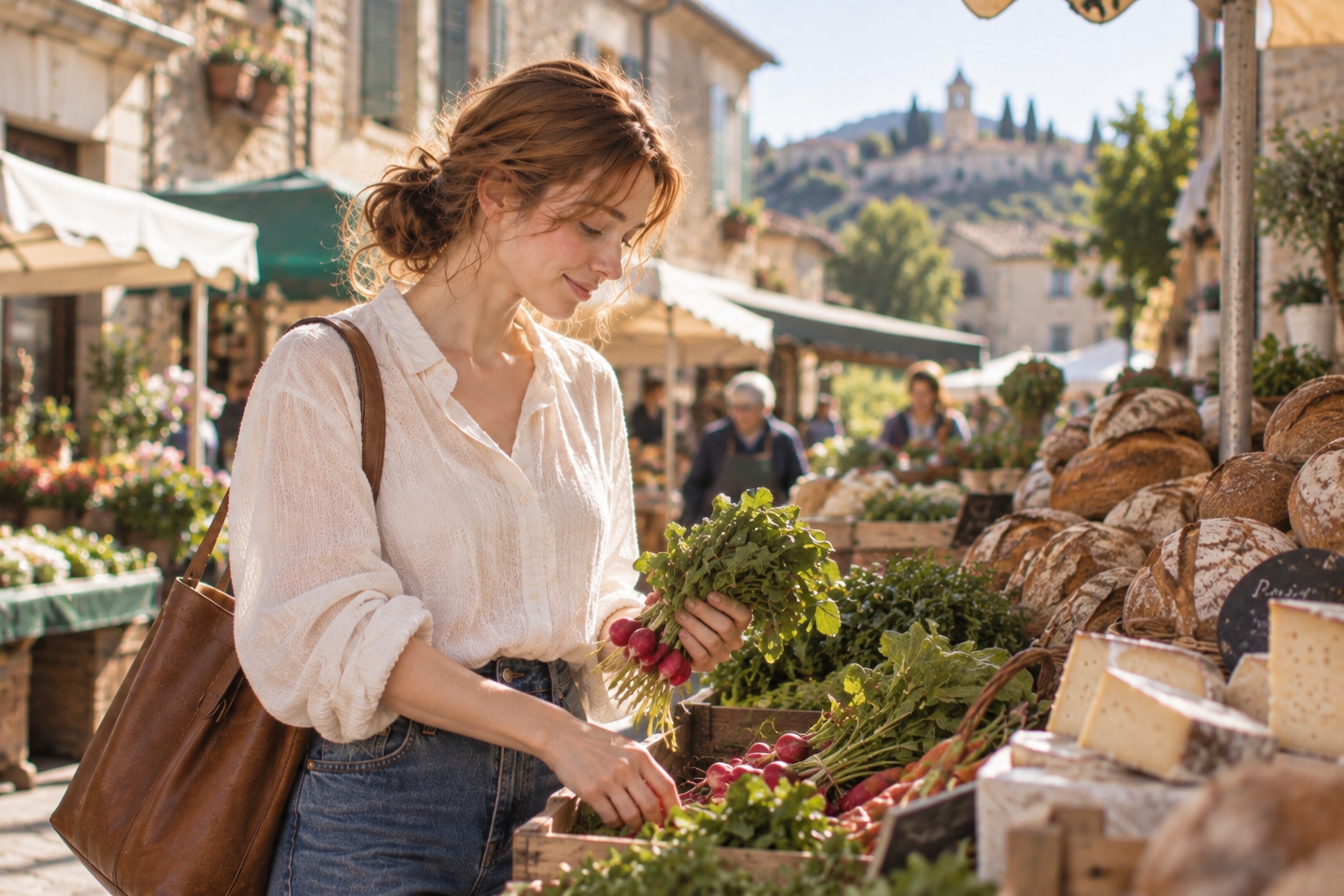
Rather than treating dining as a series of rigid restaurant bookings, embrace the culinary pleasures of a well-equipped country kitchen. Upon arrival in the region, make a deliberate stop at a historic market town to curate a selection of fine local staples: artisan sourdough, estate-pressed olive oil, local farmhouse butter, mountain cheeses, and regional vintages. These high-quality provisions make breakfasts and light lunches on the terrace an effortless pleasure. For evening meals when you prefer full service, identify two or three charming, family-owned country bistros or Michelin-rated rural taverns within a gentle 15-minute drive.
Seamless, Practical Connectivity
True luxury lies in having the choice to connect on your own terms. Before reserving, verify the estate’s dedicated Wi-Fi speed and mobile coverage directly with the host. Reliable broadband removes the lingering background tension of feeling cut off, allowing you to review urgent editorial proofs, coordinate key projects, or conduct correspondence in brief, highly focused windows. Once your work is finished, you can shut your laptop with complete peace of mind and return to the silence of the landscape.
The Full-Picture Investment
When evaluating the financial plan for a week in the countryside, consider the overall travel package rather than just the nightly suite rate. Combine the residence fee with premium car hire, fuel, regional wines, and artisanal ingredients. A beautifully appointed country residence often provides substantially more living space, privacy, and aesthetic inspiration than a standard luxury hotel suite, delivering an exceptional return on your time and investment.
Functional, Elegant Packing
A week in the country calls for understated, functional refinement:
- Footwear of Quality: Supple, waterproof leather walking boots or well-constructed shoes suited for morning dew, garden walks, and stone steps.
- Natural Fiber Layering: Cashmere sweaters, soft wool scarves, and tailored outer jackets to easily transition between brisk mornings and sun-drenched afternoons.
- Creative Instruments: A leather-bound notebook, smooth fountain pens, and pre-loaded e-readers or classic volumes ready for long, uninterrupted reading sessions.
Part VI Solo or Together: Finding the Right Kind of Quiet
Quietude is not a static condition; its nature deepens and changes depending on whether you undertake the retreat alone or share the journey with another. Each style offers a distinct, deeply fulfilling expression of country living.
The Unbroken Horizon of a Solo Retreat
Traveling alone into the countryside offers complete mastery over your mental space. There are no collective itineraries to balance, no compromises on when to rise, what to prepare, or how long to remain lost in thought beside an open window. For writers, creators, and leaders, a solo week provides an extraordinary environment of sustained creative momentum. The absence of conversational friction allows you to inhabit a state of pure creative flow, drafting complex chapters, sketching blueprints, or reading across an entire afternoon without interruption.
The Shared Intimacy of a Country Stay
Sharing a secluded retreat with a partner, family, or close companion reveals a different, equally elegant texture of calm. Away from crowded city calendars and formal obligations, shared time becomes natural and unforced. Conversation flows effortlessly while preparing fresh regional ingredients in an open kitchen, walking along tree-lined gravel lanes at dusk, or sharing a vintage beside an evening hearth. It is the luxury of quiet companionship—enjoying vast open landscapes and unhurried meals without the pressure of performance.
Part VII What Do You Actually Bring Back From a Week Away?
A week spent immersed in the countryside does not promise a complete reinvention of your character; rather, it delivers an exquisite clarity of thought and a restored sense of proportion.
In the sustained velocity of executive and creative work, the mind often remains trapped in a reactive cadence—continually responding to immediate inputs and urgent timelines. Immersing oneself in a landscape governed by natural light breaks that momentum. After several days of quietude, non-essential mental noise naturally falls away, allowing core strategic priorities and complex narrative arcs to emerge with remarkable sharpness.
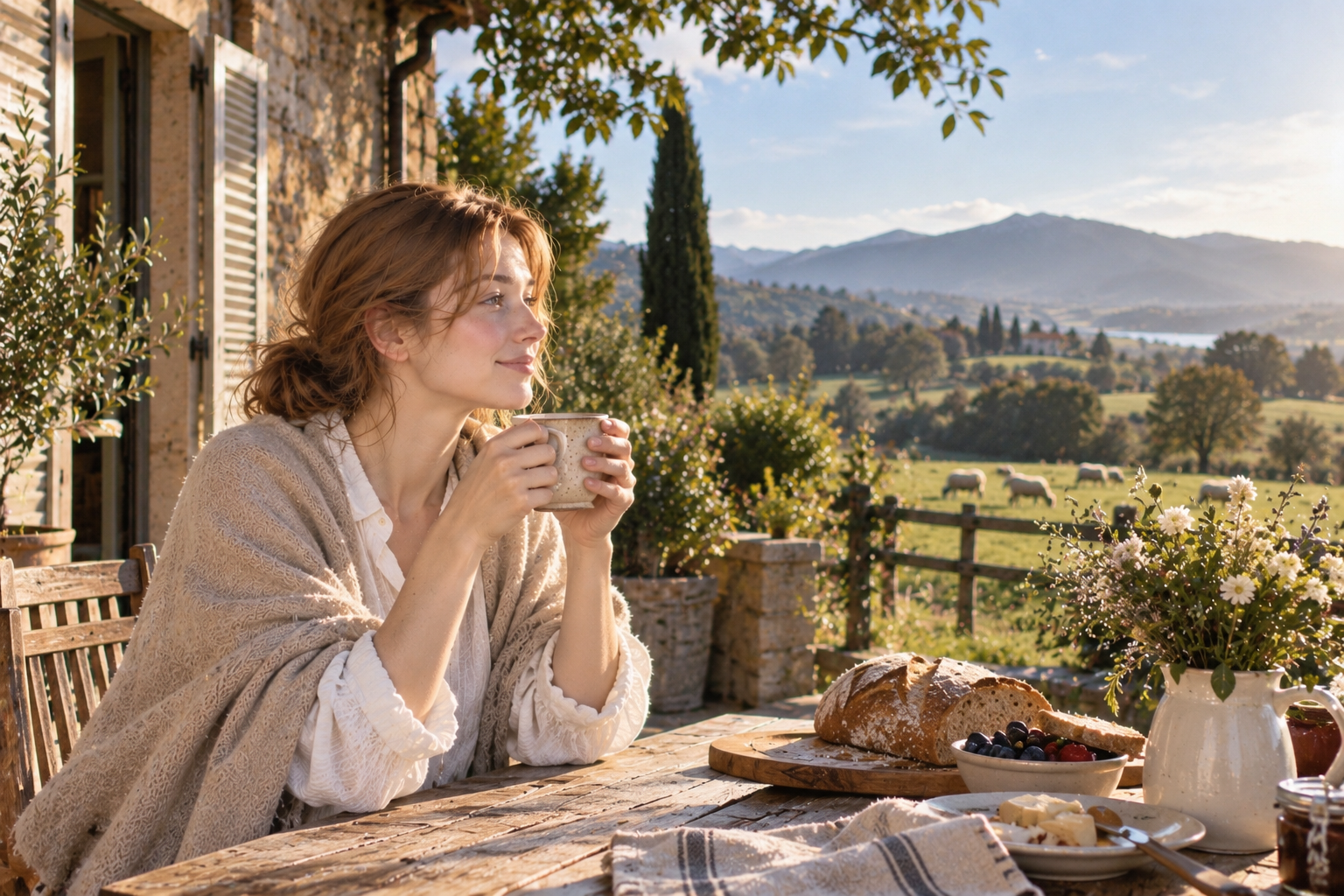
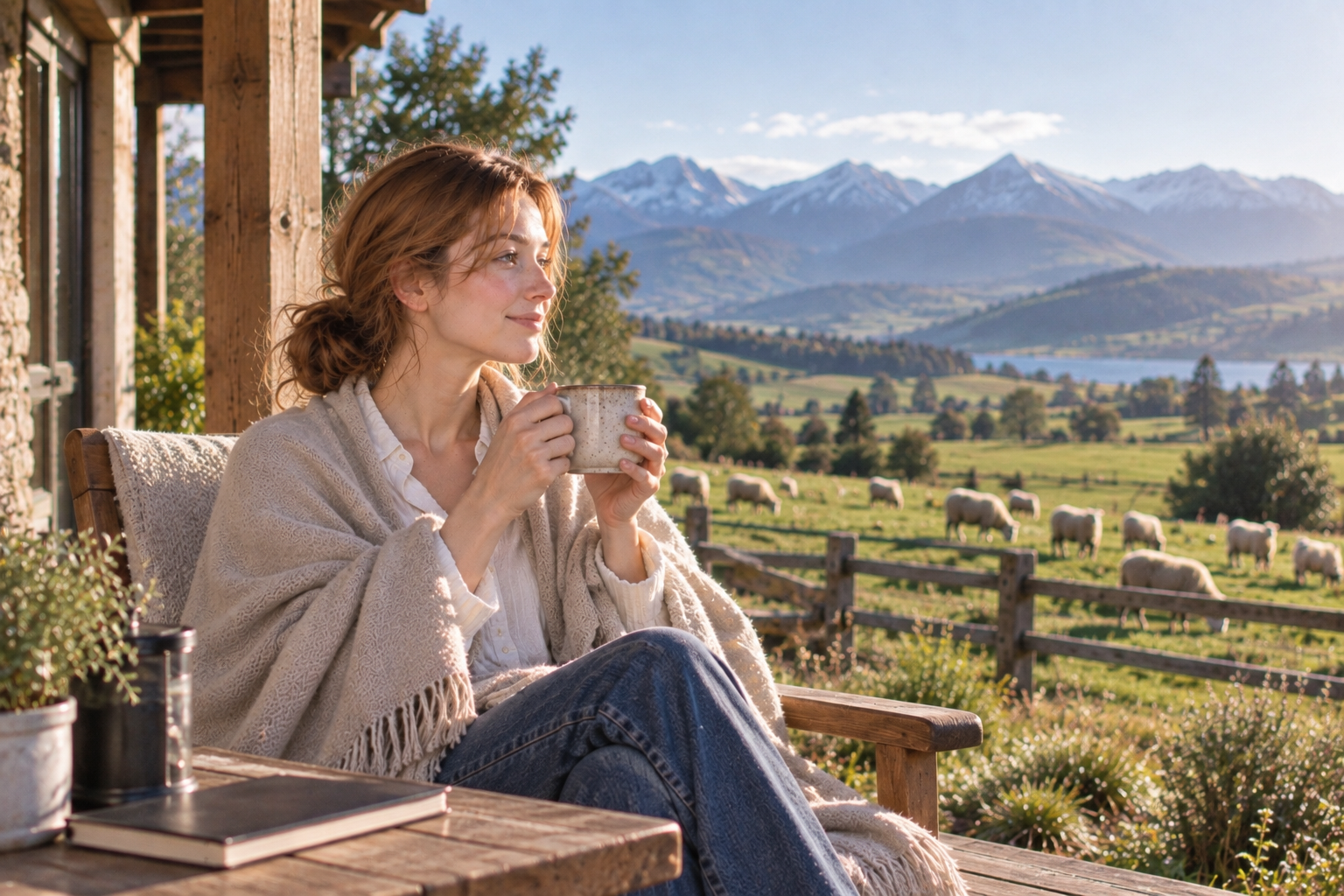
As a writer, I have repeatedly witnessed this transformative shift. During a stay on a vast sheep station in New Zealand, I sat on an open veranda early one morning with an espresso, watching the morning mist lift across endless green plateaus. For weeks prior, I had wrestled at my city desk with an intricate structural impasse in an extensive essay. Yet in that unforced moment—without conscious striving or opening a notebook—the complete architecture of the piece crystallized instantly in my mind.
The most enduring souvenir of a countryside stay is this quiet restoration of perspective: returning with an unhurried, focused intellect that only physical and acoustic distance can bestow.
Part VIII Bringing a Little of the Countryside Home: Rebuilding Everyday Life
The definitive measure of an exceptional country stay is not merely how peaceful you felt while there, but how gracefully you integrate that restored rhythm back into your urban routine. The journey does not conclude the moment the estate gates close behind you.
Preserving this sense of poise does not require an unrealistic overhaul of modern life or an abandonment of professional ambition. Instead, it involves carrying home one or two intentional rituals discovered during your time in the country:
- The Protected Morning: Reserving the first twenty minutes after waking entirely for stillness, enjoying black coffee or tea by an open window before allowing digital devices into your awareness.
- The Deliberate Pace: Weaving moments of unhurried walking into your weekly routine, observing the physical texture of your surroundings without headphones or distractions.
- The Refined Table: Honoring the simplicity of pure, high-quality ingredients, preparing unpretentious evening meals that transform dining into a daily ritual of restoration.
By anchoring these small expressions of rural stillness within your everyday environment, a week in the countryside shifts from a temporary retreat into a permanent foundation for refined, intentional living.
Conclusion
A week in the countryside is neither an escape from modern responsibility nor an ideological retreat from ambitious pursuits. It is a conscious, sophisticated decision to inhabit an unhurried tempo—one that re-establishes the boundary between essential thought and the ambient noise of contemporary life.
Whether settled within an historic stone farmhouse, an ancient manor, or a secluded pastoral cottage, stepping into the landscape provides an expansive space that rigid schedules can never offer. By intentionally pausing the acceleration of everyday demands, you return not merely rested, but truly restored: possessing a refined creative momentum, a sharpened clarity of mind, and an enduring poise that elevates every ordinary hour that follows.
Practical Resources & External Guides
For planning verified, authentic, and historically preserved countryside retreats, the following premier organizations and official bodies provide direct regional directories, architectural heritage portfolios, and authoritative travel guidance:
- National Trust (UK) Holiday Cottages — Historic cottages and manor lodges across the UK.
- Agriturismo.it — Italy’s official certified registry for authentic agricultural estate stays.
- Bienvenue à la Ferme — Premier French agricultural network for authentic regional farm stays.
- Tourism New Zealand — Official regional travel guidance for luxury station and rural retreats.
- Gîtes de France — Europe’s benchmark network for certified countryside character homes.
Comments