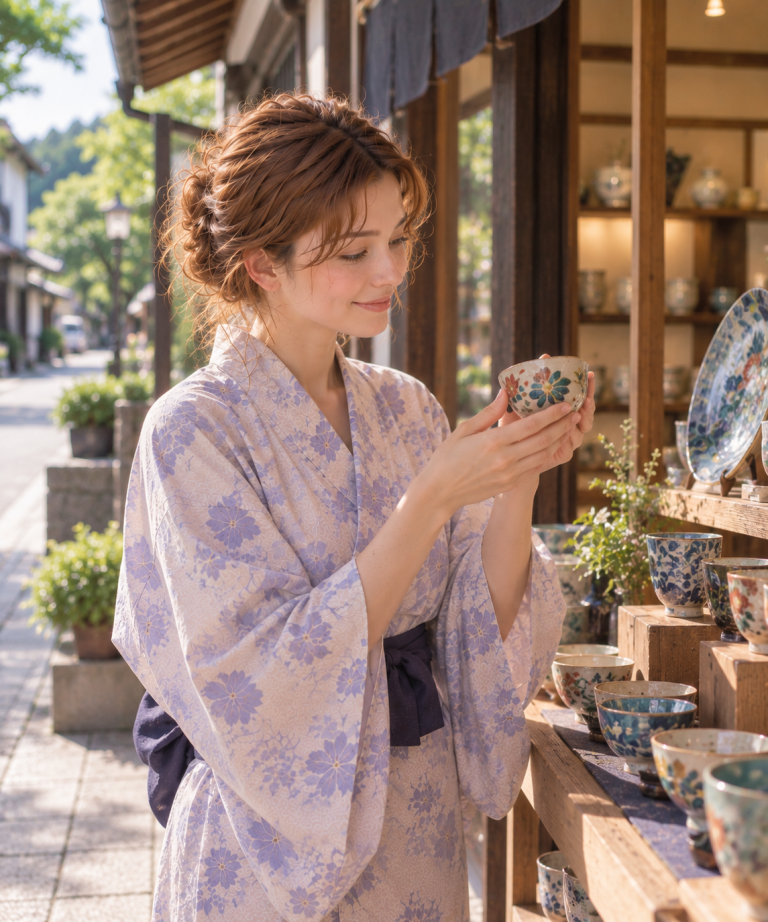
Tatsunokuchi Onsen: The Complete Guide (Ishikawa, Japan) — Matsusaki, Ryotei Manyo & Tagawa Ryusenkaku: A Quiet Luxury Ryokan Stay
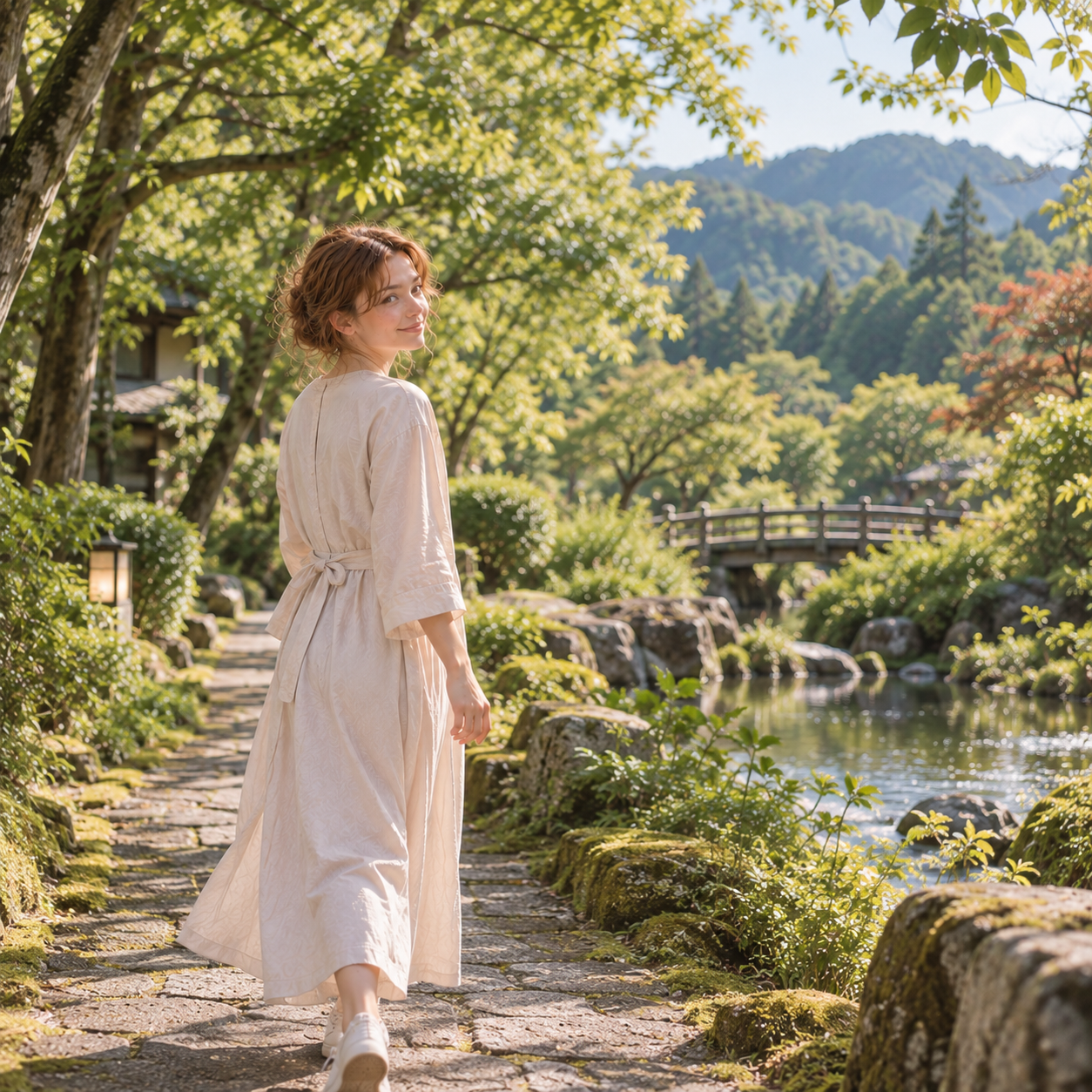
*Conceptual image generated by AI. Actual facilities may vary.
Personal Note / From Lina
I spend much of my time traveling around the world, but whenever I’m back home in Japan, I love escaping to quiet onsen towns for a slow, restful stay just to reset and breathe.
Ishikawa has a very special place in my heart. In recent years, transport connections have improved even further, making access from Tokyo significantly more convenient. And whenever I think of Ishikawa, the very first thing that comes to mind is the fish. When I first visited this region, I was genuinely moved by just how exquisite and fresh the seafood was.
Along with that wonderful food, what I cherish most is the deep, peaceful stillness. The quiet rhythm here is just so soothing to the soul. In this guide, I want to share that quiet luxury and the gentle, heartwarming moments I found in Tatsunokuchi Onsen.
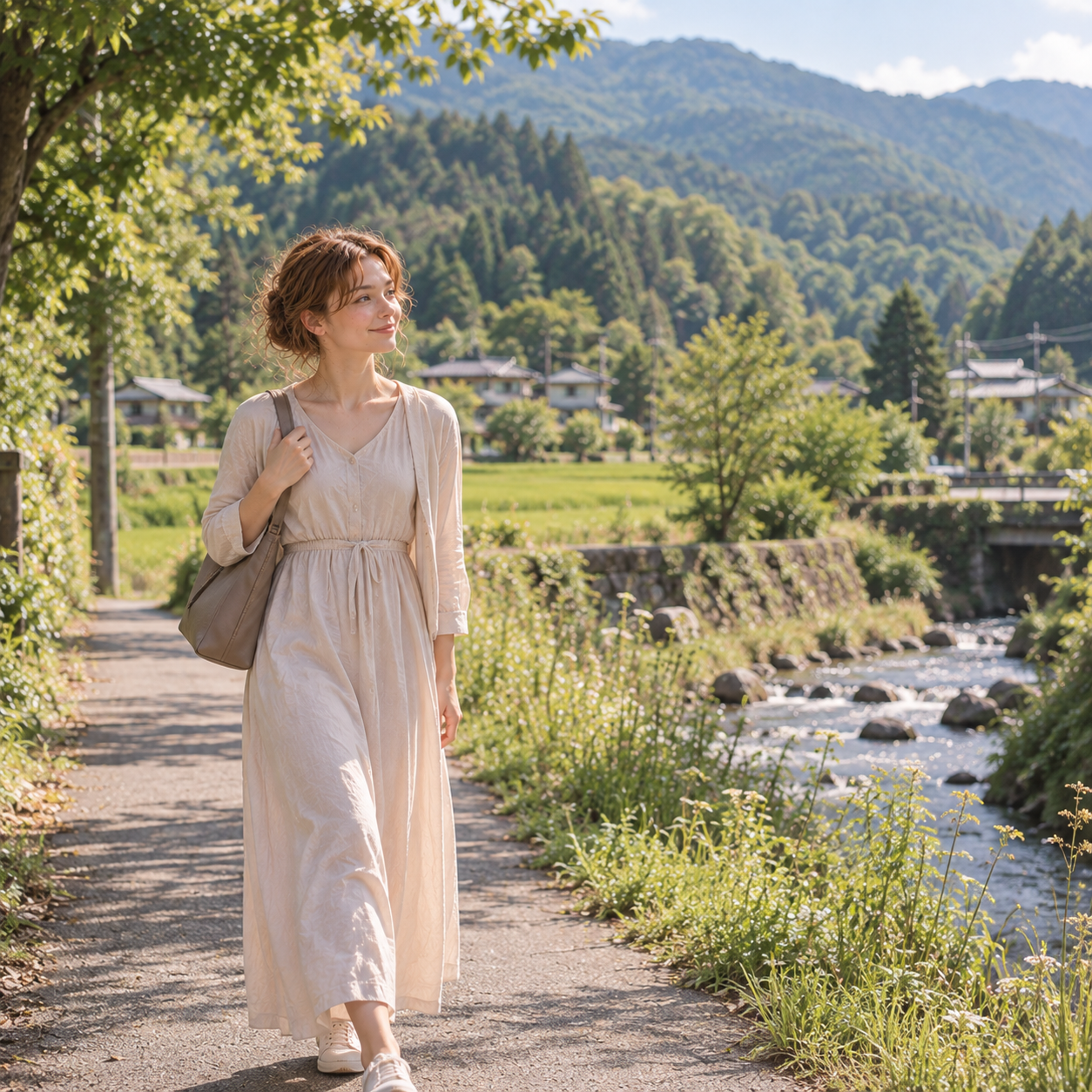
*Conceptual image generated by AI. Actual facilities may vary.
Visual Disclaimer: The imagery featured throughout this article consists of AI-generated concept visuals designed to convey the authentic atmosphere and peaceful mood of the region.
- The 1,400-Year Heritage of Tatsunokuchi Onsen
- The Thermal Waters: Silky, Clear, and Gentle
- 1. Quick Verdict: Matsusaki or Ryotei Manyo? Two Masterpiece Ryokan Compared
- 2. In-Depth Review: Matsusaki (Founded 1836 — The Grand Heritage & Garden Ryokan)
- 3. In-Depth Review: Ryotei Manyo (Only 9 Rooms — The Intimate Private Sanctuary)
- 4. Family & Scenic Landmark: Tagawa Ryusenkaku (The Famous “Tanbo-no-yu” Outdoor Bath)
- 5. Day Trips & Public Thermal Baths: Satoyama-no-Yu & Footbaths
- 6. Practical Travel Guide: Access & Cultural Excursions
The 1,400-Year Heritage of Tatsunokuchi Onsen
Founded over 1,400 years ago during the Nara period by the high Buddhist monk Taicho (the revered figure who also opened sacred Mount Hakusan), Tatsunokuchi Onsen holds a storied past. Ancient chronicles recall injured working horses soothing their strained limbs in the warm, bubbling mineral pools emerging naturally amidst rural pastures.
Although the original hot spring was submerged and lost for centuries beneath torrential floods from the nearby Tedori River, it was miraculously revived in 1836 (Tempo 7) when a local villager named Gensuke excavated the forgotten source following a spiritual vision of the Yakushi Nyorai (the Medicine Buddha).
During the Meiji era, celebrated novelist Kyoka Izumi spent youthful summers here visiting his aunt, absorbing the graceful atmosphere of traditional geisha culture and later immortalizing this serene hot spring haven in his acclaimed novel Umi no Naru Toki (When the Sea Roars).
*Conceptual image generated by AI. Actual facilities may vary.
The Thermal Waters: Silky, Clear, and Gentle
The natural thermal waters of Tatsunokuchi are categorized as mildly alkaline sodium-sulfate and chloride springs. Completely clear, delicate, and velvety to the touch, the spring gently wraps the skin in comforting warmth without pungent sulfur fumes or harsh mineral sharpness. Its remarkably balanced nature ensures that guests can enjoy extended, peaceful soaks without feeling fatigued.
1. Quick Verdict: Matsusaki or Ryotei Manyo? Two Masterpiece Ryokan Compared
When planning a retreat to Tatsunokuchi Onsen, two prestigious ryokan immediately stand out: Matsusaki and Ryotei Manyo.
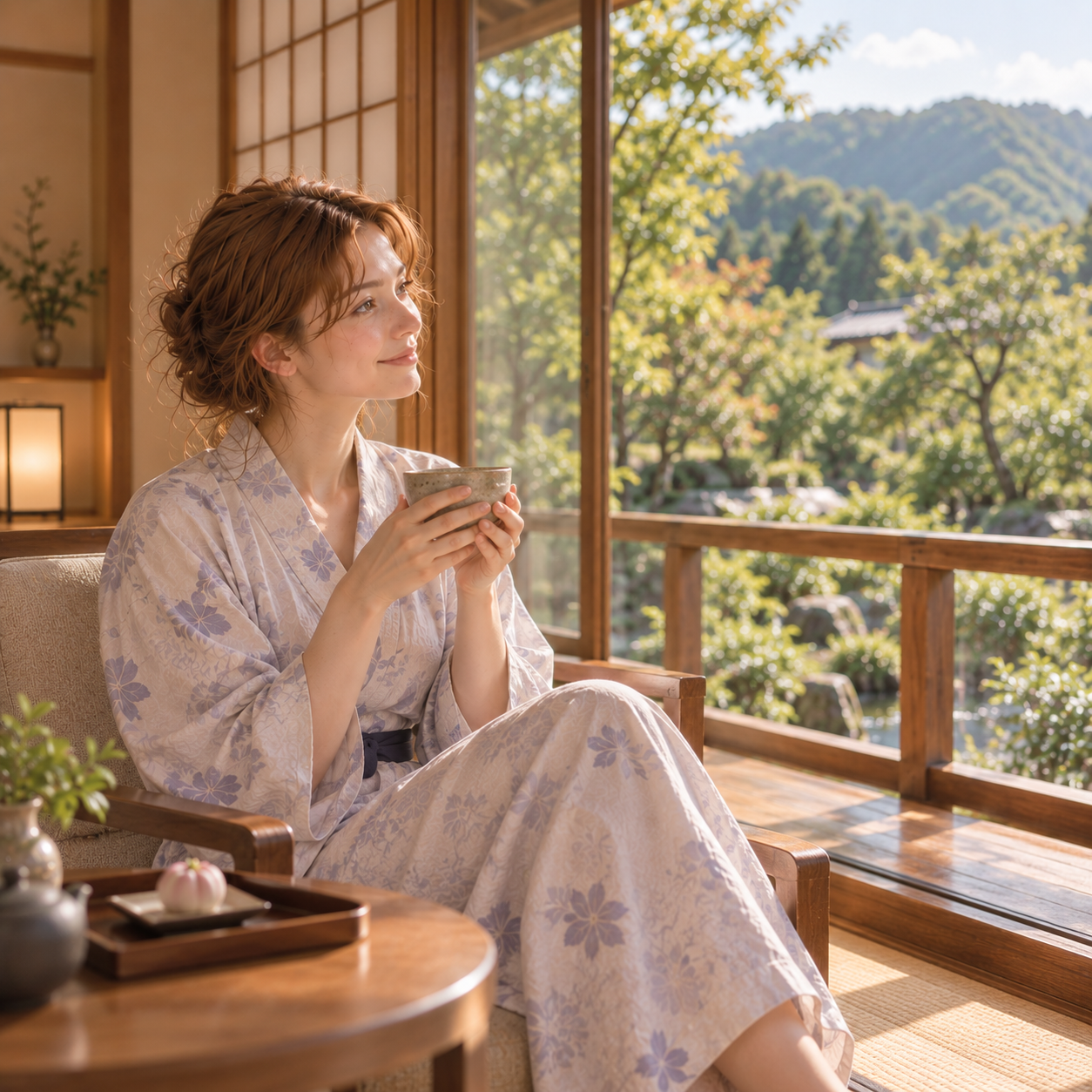
Whichever property you choose, both provide the quintessential quiet luxury experience: soothing natural hot springs, serene countryside air, and extraordinary seasonal multi-course cuisine highlighting Ishikawa’s freshest seafood, regional vegetables, and local rice. Both represent the pinnacle of Japanese hospitality.
*Conceptual image generated by AI. Actual facilities may vary.
While both are exceptional, each inn caters to distinctive travel styles:
-
Matsusaki is particularly well-suited for:
- Travelers drawn to deep cultural heritage, classic sukiya-zukuri timber architecture, and literary connections to author Kyoka Izumi.
- Guests eager to explore a sprawling 1,500-tsubo landscaped garden (Shosenko Garden) and soak in panoramic top-floor open-air observatory baths.
- Visitors desiring versatile accommodations—from garden-facing semi-open-air cypress rooms in the Main Wing to grand private villa suites in the Phoenix Wing.
- Estimated Price: Approx. 25,000–35,000 JPY per person for the Main Wing; 40,000–60,000+ JPY per person for the Phoenix Wing (including multi-course kaiseki dinner and breakfast).
-
Ryotei Manyo is particularly well-suited for:
- Travelers prioritizing ultimate seclusion, nestled within a 2,000-tsubo wooded estate accommodating only nine guest rooms.
- Couples and solo travelers who value whisper-quiet privacy, individual in-room open-air thermal baths, and quiet dining.
- Those seeking a zen-like, meditative retreat with an immaculate karesansui dry landscape rock garden and quiet tea ceremony hospitality.
- Estimated Price: Approx. 40,000–70,000+ JPY per person (including multi-course kaiseki dinner and breakfast).
(Note: Room layouts, dining venues, pricing, and seasonal menus vary by booking date and plan. Always verify current details directly on each ryokan’s official website prior to your trip.)
2. In-Depth Review: Matsusaki (Founded 1836 — The Grand Heritage & Garden Ryokan)
Founded in 1836 (Tempo 7), Matsusaki is an iconic property that preserves the living history of Tatsunokuchi. Meiji literary master Kyoka Izumi frequently stayed here, writing his famous work Umi no Naru Toki within its tranquil quarters.
- The Arrival & Atmosphere: Approaching from the vehicle turnabout, the buildings remain concealed behind lush groves. Guests cross a covered wooden bridge spanning the scenic Shosenko pond—home to colorful koi carp, summer water lilies, and visiting white egrets—entering an elegant lobby illuminated by soft Japanese lantern light.
- Tea Ceremony Pavilion (Muryo-an): Upon arrival, guests are invited into “Muryo-an,” a floating tea pavilion within the garden. Freshly whisked Uji matcha is served alongside seasonal confections (such as aromatic yuzu bean paste and delicate rakugan). Modern table-and-chair seating ensures total comfort without requiring formal seiza floor kneeling (lobby tea service is seamlessly arranged for wheelchair users).
*Conceptual image generated by AI. Actual facilities may vary.
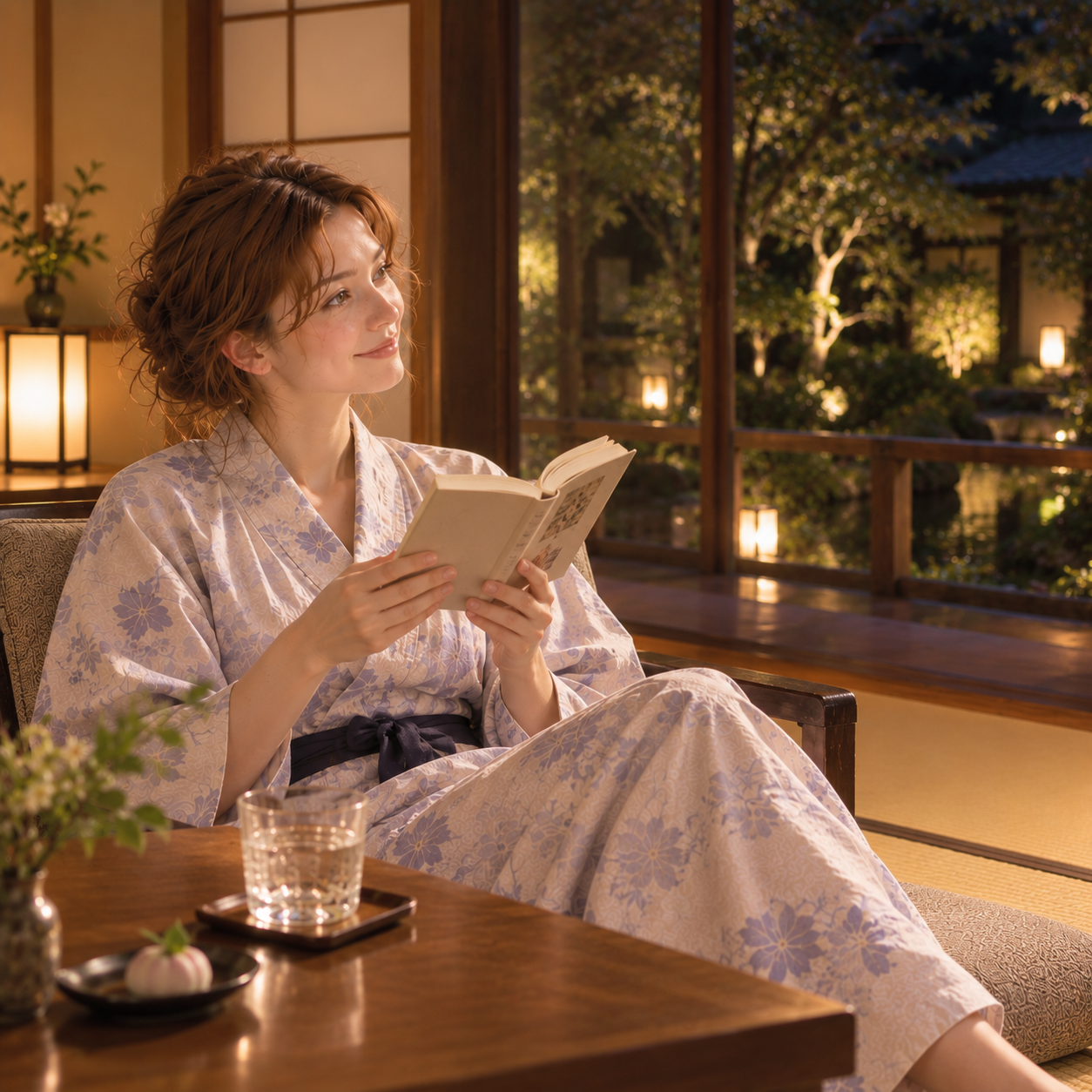
- Accommodations (Phoenix Wing & Main Wing): Out of 30 total rooms, 24 feature private onsen baths. The flagship Phoenix (Ho-oh) suites are palatial, often comprising a 12-tatami main salon, private western twin bedroom, massage chairs, rocking chairs, an open terrace garden, and both indoor and private outdoor cypress baths continuously supplied with fresh spring water. The Main Wing (Zuikun, Momoyama-an, Shoju-an) offers classical timber grace, complete with semi-open-air garden baths. Thoughtful amenities include dual yukata sets plus comfortable lounge wear (samue), dual vanity sinks, and dual room keys.
*Conceptual image generated by AI. Actual facilities may vary.
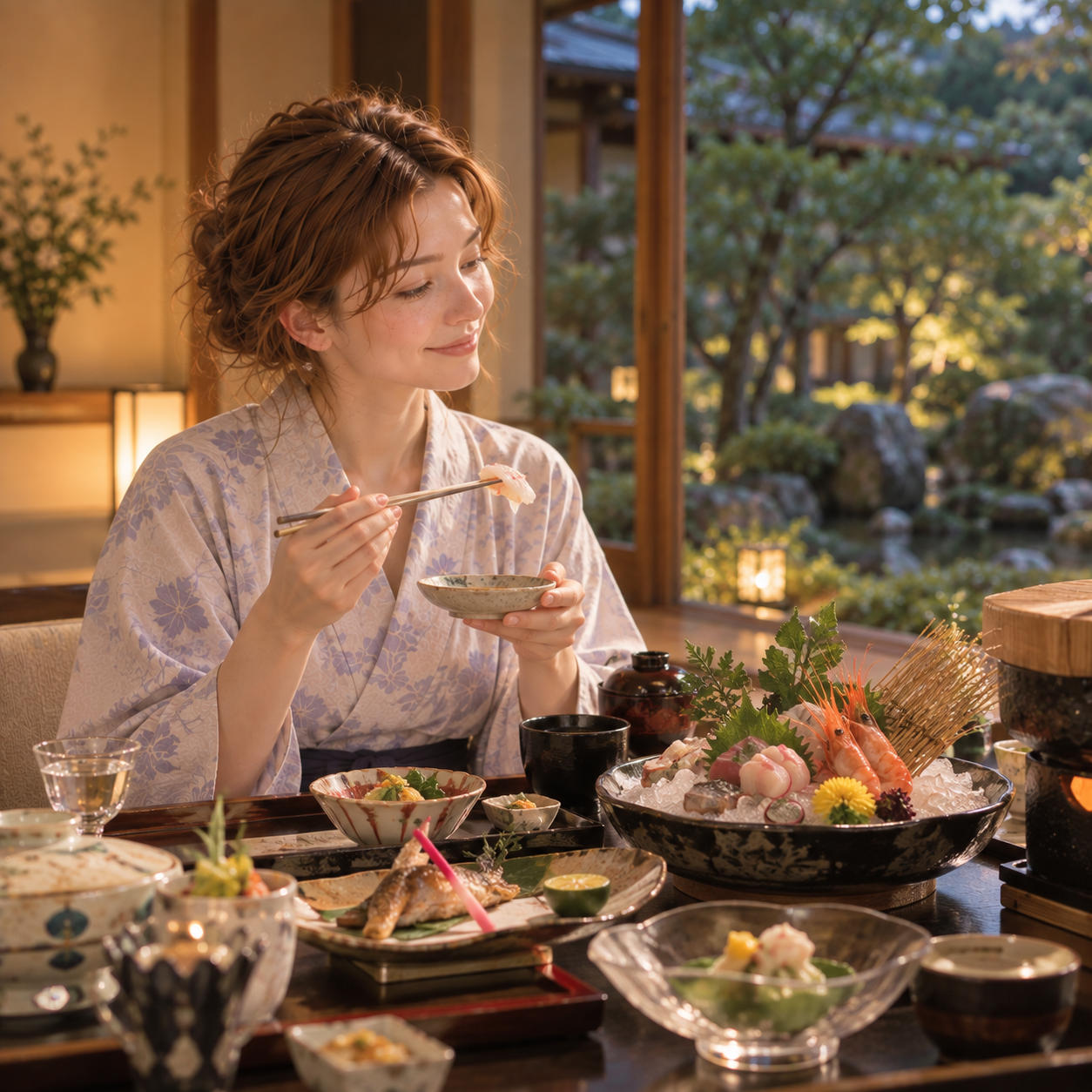
- Separate Kitchens & Masterful Kaiseki: Uniquely, the Main Wing and Phoenix Wing operate completely independent kitchens, each headed by its own executive chef utilizing distinct seasonal menus and tailored local rice varietals. Meals are served dish by dish at an unhurried, three-hour pace—either directly in your private room with dining tables or in private salon booths. Culinary creations are served on authentic Yamanaka lacquerware, Wajima lacquer, and Kutani porcelain. Menu highlights include tender steamed abalone, Noto beef sukiya hot pots, Hashidate snow crab (Kanou-gani), and grilled nodoguro (blackthroat seaperch), finished with rice freshly steamed at your table in personal iron pots.
- Bathing Experience: Complementing the in-room baths, the 5th-floor Phoenix observatory baths (Mokusei and Gyokuryu) offer sweeping vistas of the Hakusan peaks, accompanied by a private reservable bath (Raicho). The ground-floor public bath looks into the Azuchi-Momoyama garden, providing a natural 36.5°C thermal pool paired with a heated 40°C bath for relaxing alternating baths.
3. In-Depth Review: Ryotei Manyo (Only 9 Rooms — The Intimate Private Sanctuary)
Originally conceived as an exclusive annex to Tagawa Ryusenkaku, Ryotei Manyo provides a sanctuary of understated elegance with just nine guest rooms across two thousand tsubo of secluded woods.
- Arrival & Zen Serenity: Passing through the dignified entry gate and slipping off your shoes, an immediate sense of stillness takes over. Beside the reception lies a pristine karesansui dry landscape garden, centered around a classic stone monument inscribed with poetry from the ancient Man’yoshu, brushed by the late scholar Takashi Inukai.
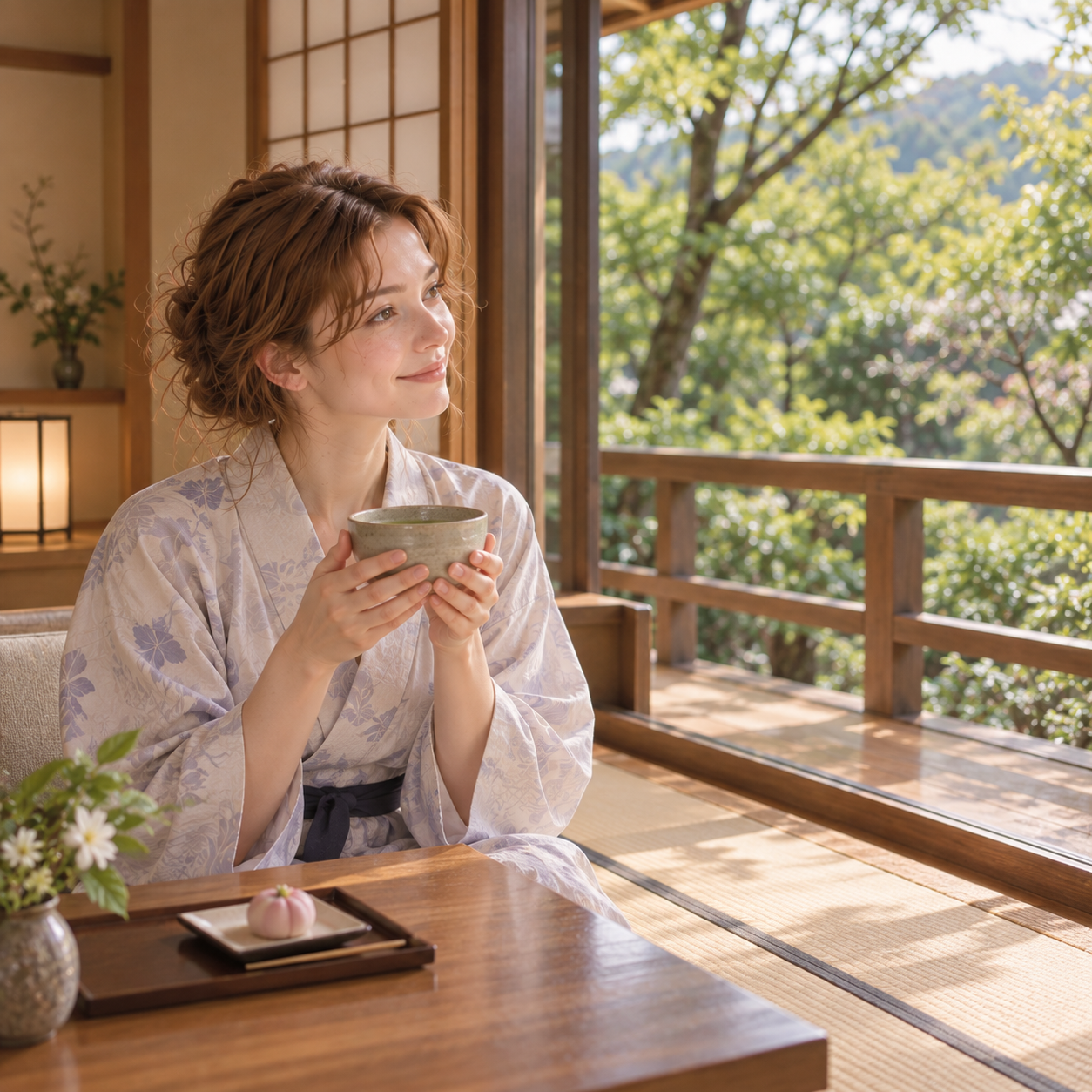
- Refined Hospitality: Guests are welcomed with whisked green tea alongside handmade confections showcasing prized regional Kaga vegetables—such as Gorojima Kintoki sweet potato, delicate sweet green pea, and yuzu zest.
*Conceptual image generated by AI. Actual facilities may vary.
- Exclusive Privacy & Cuisine: Due to the small room count, guests rarely cross paths with others. Guest rooms feature stone or timber private outdoor baths open to forested scenery. Evening dining revolves around seasonal Hokuriku kaiseki, emphasizing seasonal catches from the Sea of Japan, wild mountain greens, and carefully curated local Ishikawa sakes such as Tedori-gawa.
4. Family & Scenic Landmark: Tagawa Ryusenkaku (The Famous “Tanbo-no-yu” Outdoor Bath)
For travelers who appreciate expansive outdoor bathing and a welcoming family atmosphere, Tagawa Ryusenkaku is a historic destination founded in 1819 (Bunsei 2).
- The Famous Tanbo-no-yu (Paddy Field Bath): The inn’s signature feature is one of North-central Japan’s largest mixed-gender open-air bath complexes, built directly adjacent to scenic rice paddies with views of Mount Hakusan. Guests wear provided bathing robes, enabling couples, parents, and children to share an open-air soak under the evening sky together.
- Varied Baths & Amenities: In addition to Tanbo-no-yu, the ryokan houses gender-separated grand indoor baths, garden-facing smaller baths, and private reservable family baths. A cozy lounge with an open fireplace complements the lively atmosphere of the Gensuke Chaya dining hall.
- Accessible Pricing: Offering accessible rates compared to boutique luxury ryokans (typically around 15,000–25,000 JPY per person), it provides classic tatami rooms in the Ryuguden wing alongside renovated suites with private baths.
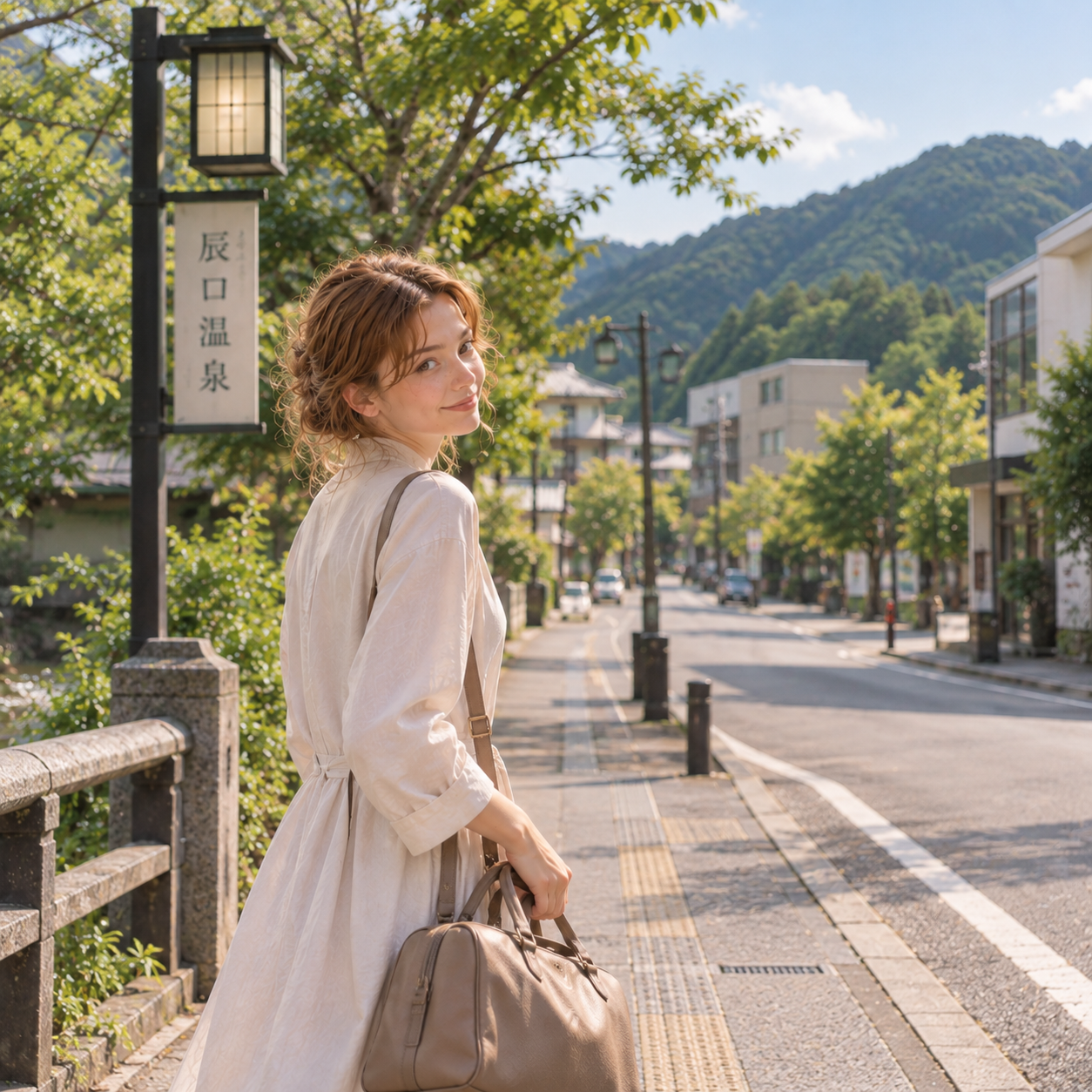
*Conceptual image generated by AI. Actual facilities may vary.
5. Day Trips & Public Thermal Baths: Satoyama-no-Yu & Footbaths
For day visitors exploring the Nomi region or traveling from Kanazawa, Tatsunokuchi offers public options to enjoy the mineral waters without staying overnight:
-
Satoyama-no-Yu: The modern communal bathhouse of Tatsunokuchi. It features garden open-air baths (alternating cypress tubs and natural rock baths on a monthly schedule), indoor baths with shallow lie-down sections, saunas, and a tatami relaxation lounge.
- Hours: 10:00 – 22:00 (Last entry 21:30)
- Closed: 2nd and 4th Wednesday of each month (Following weekday if a national holiday)
- Admission: Approx. 520 JPY for adults, 100 JPY for children
- Tatsunokuchi Public Footbath: Situated along the path linking the inn district to Satoyama-no-Yu, this sheltered pavilion lets travelers rest their feet in warm thermal water free of charge while taking in the fresh rural air. Nearby stands the Kyoka Izumi literary monument.
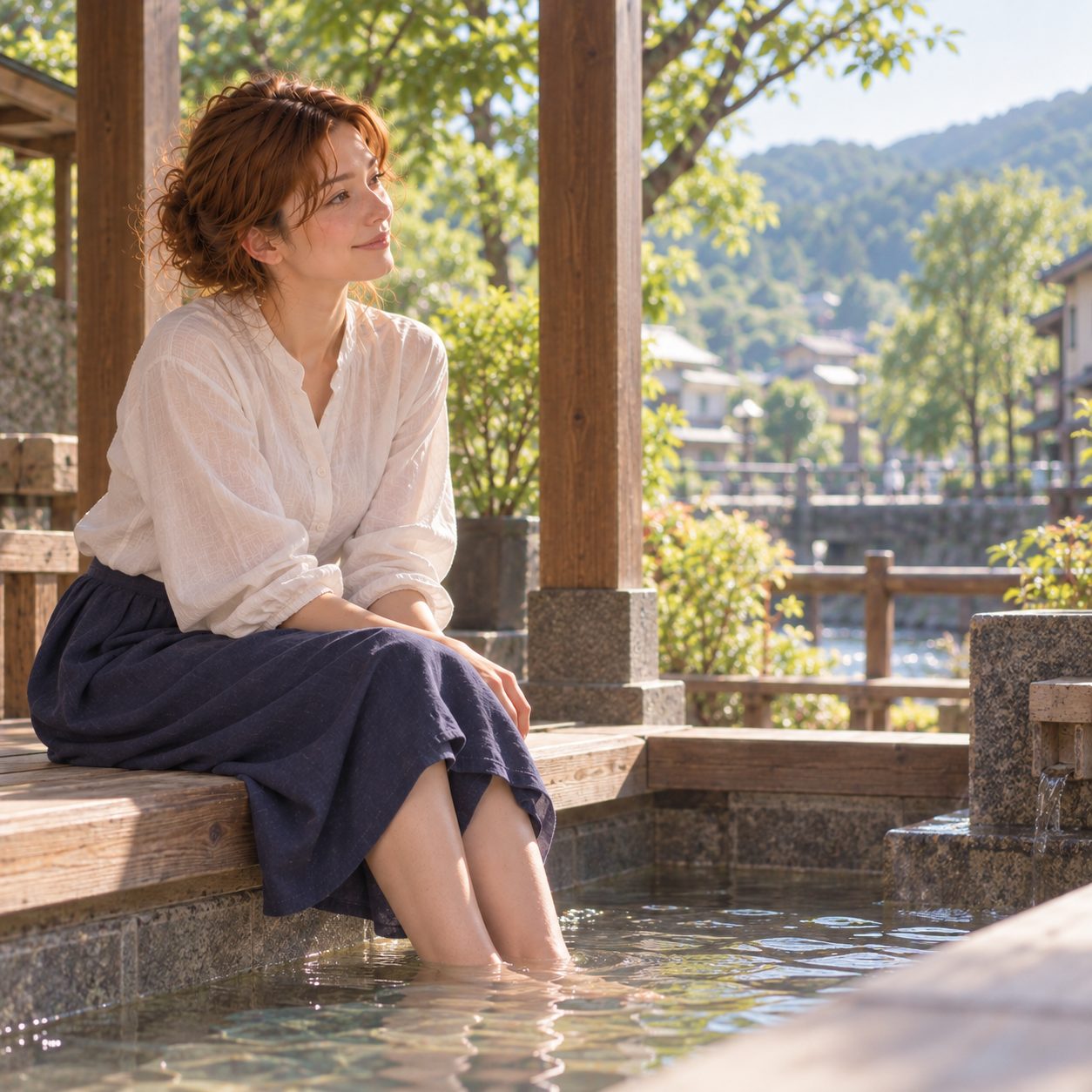
*Conceptual image generated by AI. Actual facilities may vary.
- Tatsunokuchi Welfare Center: A community facility frequented by local residents, providing an authentic look into neighborhood bathhouse culture.
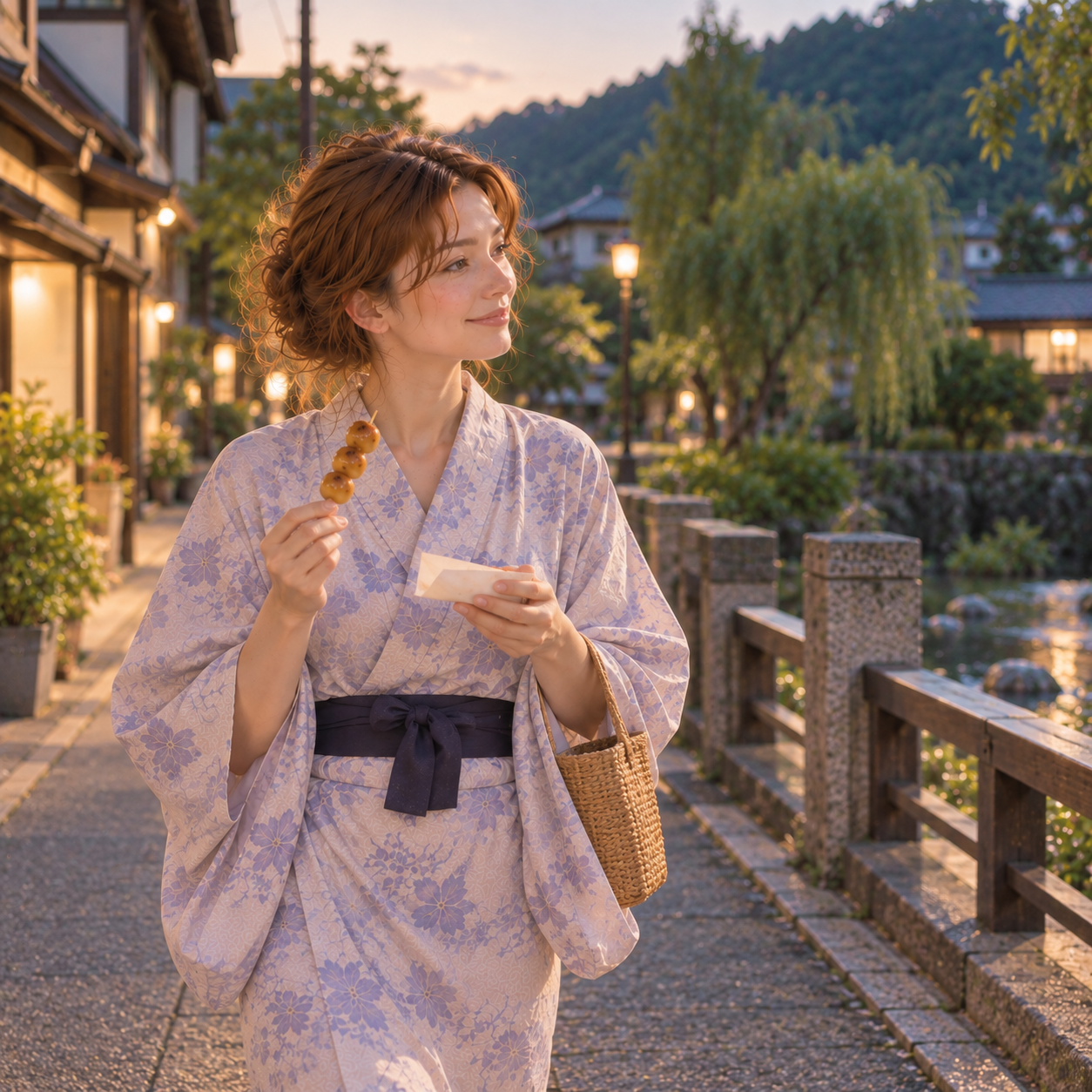
*Conceptual image generated by AI. Actual facilities may vary.
6. Practical Travel Guide: Access & Cultural Excursions
How to Reach Tatsunokuchi Onsen
- From Tokyo: Take the JR Hokuriku Shinkansen directly to JR Kanazawa Station (approx. 2.5 hours). Transfer to the local IR Ishikawa Railway line to Matto Station (10 minutes), where ryokan private shuttle vans can meet you (approx. 20 minutes; advance reservation required).
- From Osaka / Nagoya: Ride the JR Thunderbird or Shirasagi express train, connecting via the Hokuriku Shinkansen to Komatsu Station. Ryokan private shuttles or taxis take approximately 20 minutes from Komatsu Station.
- From Komatsu Airport: Just 25 to 30 minutes by taxi or pre-arranged ryokan shuttle.
Must-Visit Cultural Stops Nearby
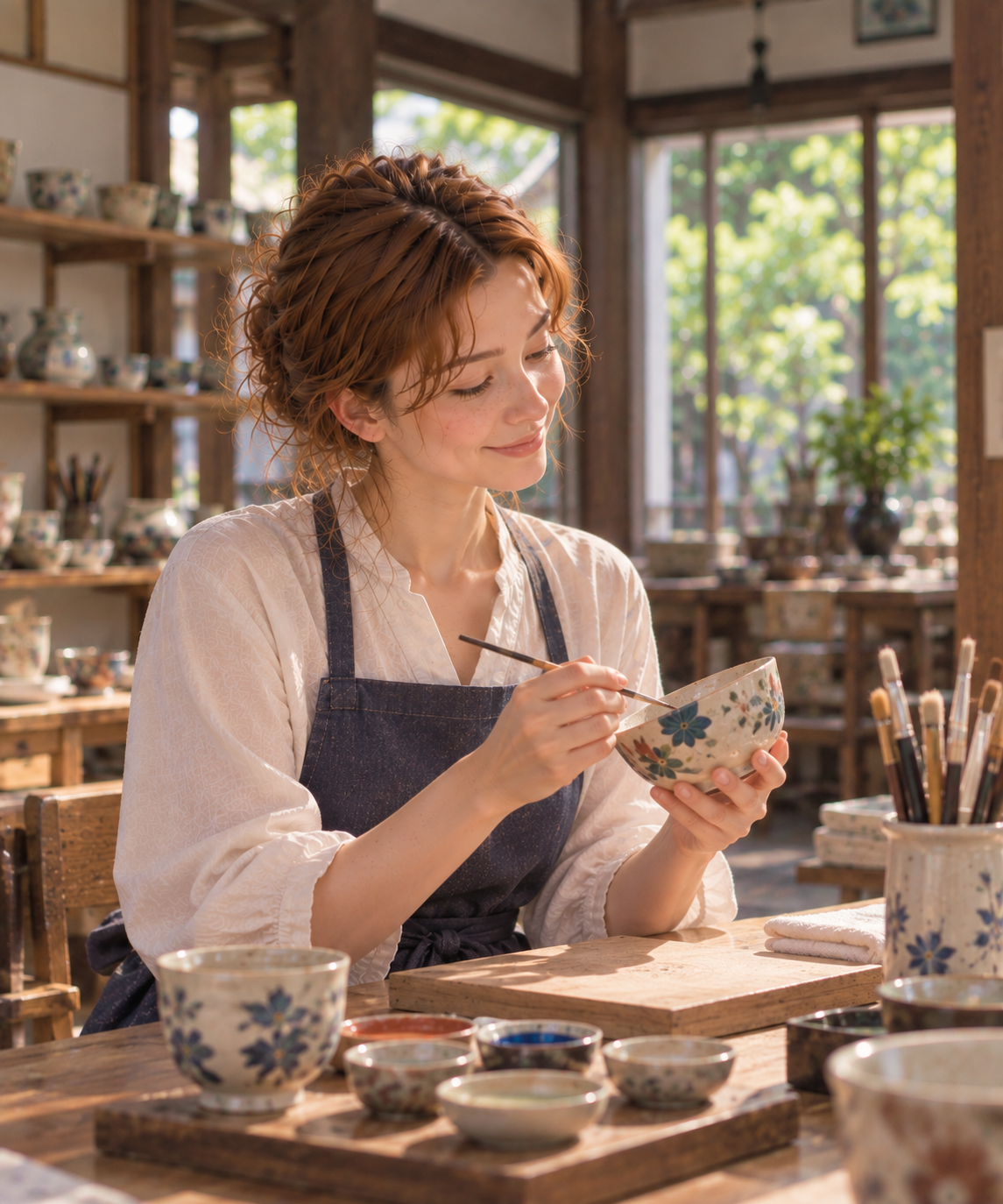
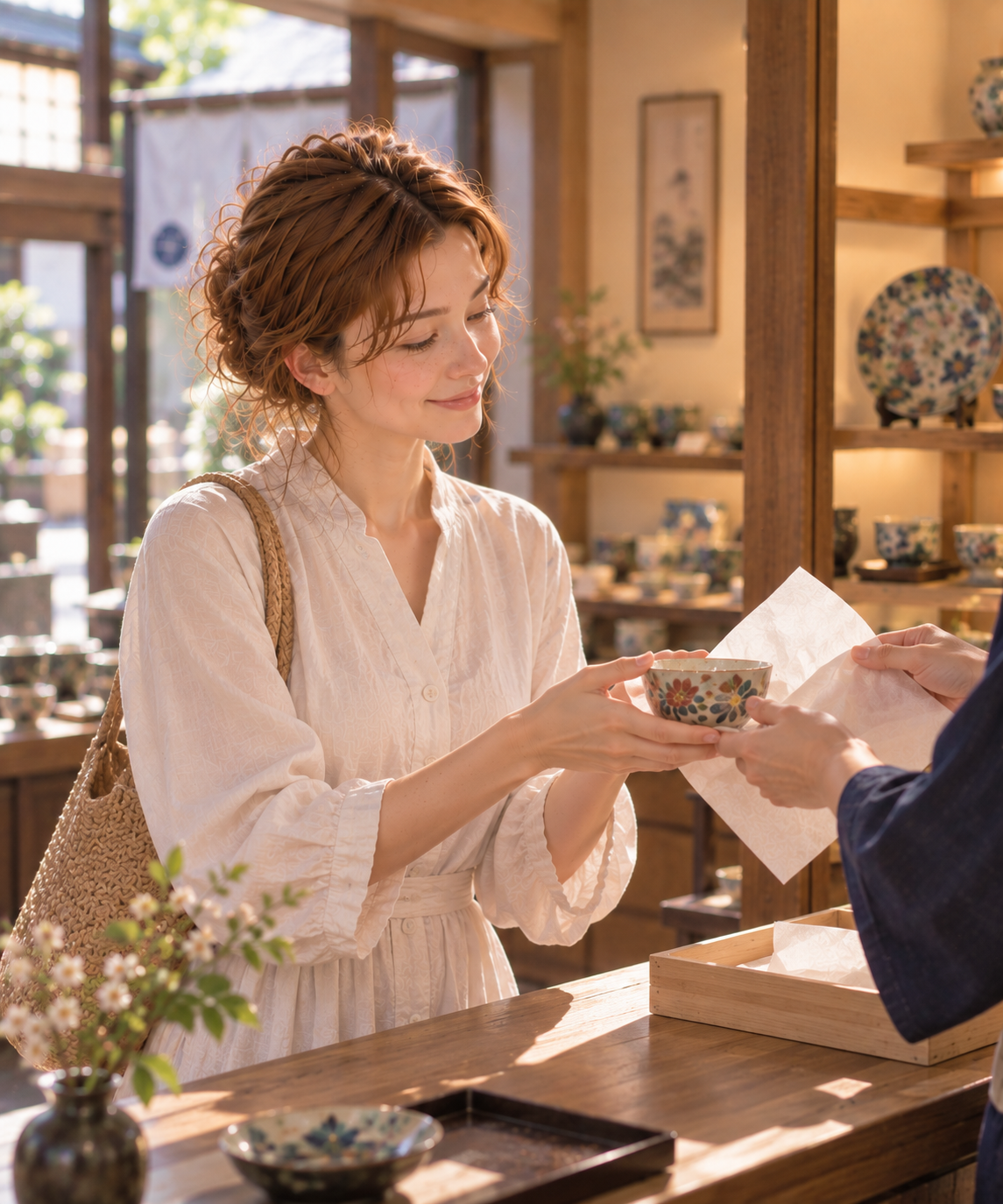
- Kutani Pottery Village: Located just 9 minutes by car from the ryokan district. Browse contemporary and antique Kutani ceramic galleries (such as Gallery Yui), visit porcelain museums, and participate in hands-on overglaze painting and pottery wheel workshops.
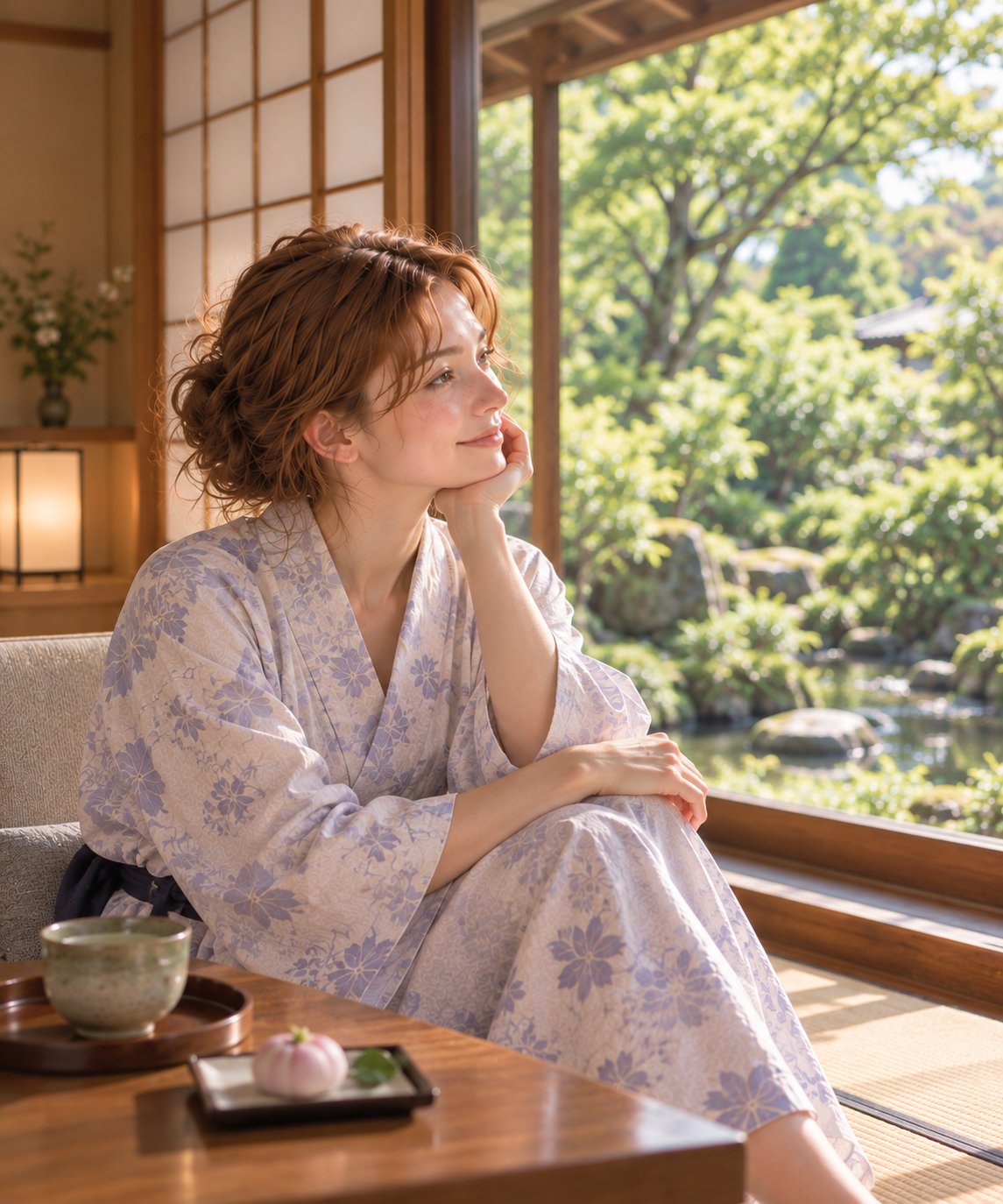
*Conceptual image generated by AI. Actual facilities may vary.
*Conceptual image generated by AI. Actual facilities may vary.
*Conceptual image generated by AI. Actual facilities may vary.
- Shirayama Hime Shrine: The head shrine of more than 3,000 Shirayama shrines across Japan, nestled beneath thousand-year-old cedars, just a 15-minute drive away.
- Quiet Sightseeing in Kanazawa: Balance your stay with Kanazawa’s meditative landmarks, such as the D.T. Suzuki Museum and the willow-lined stone passages of Kazuemachi Chaya District.
The Four Seasons of Tatsunokuchi
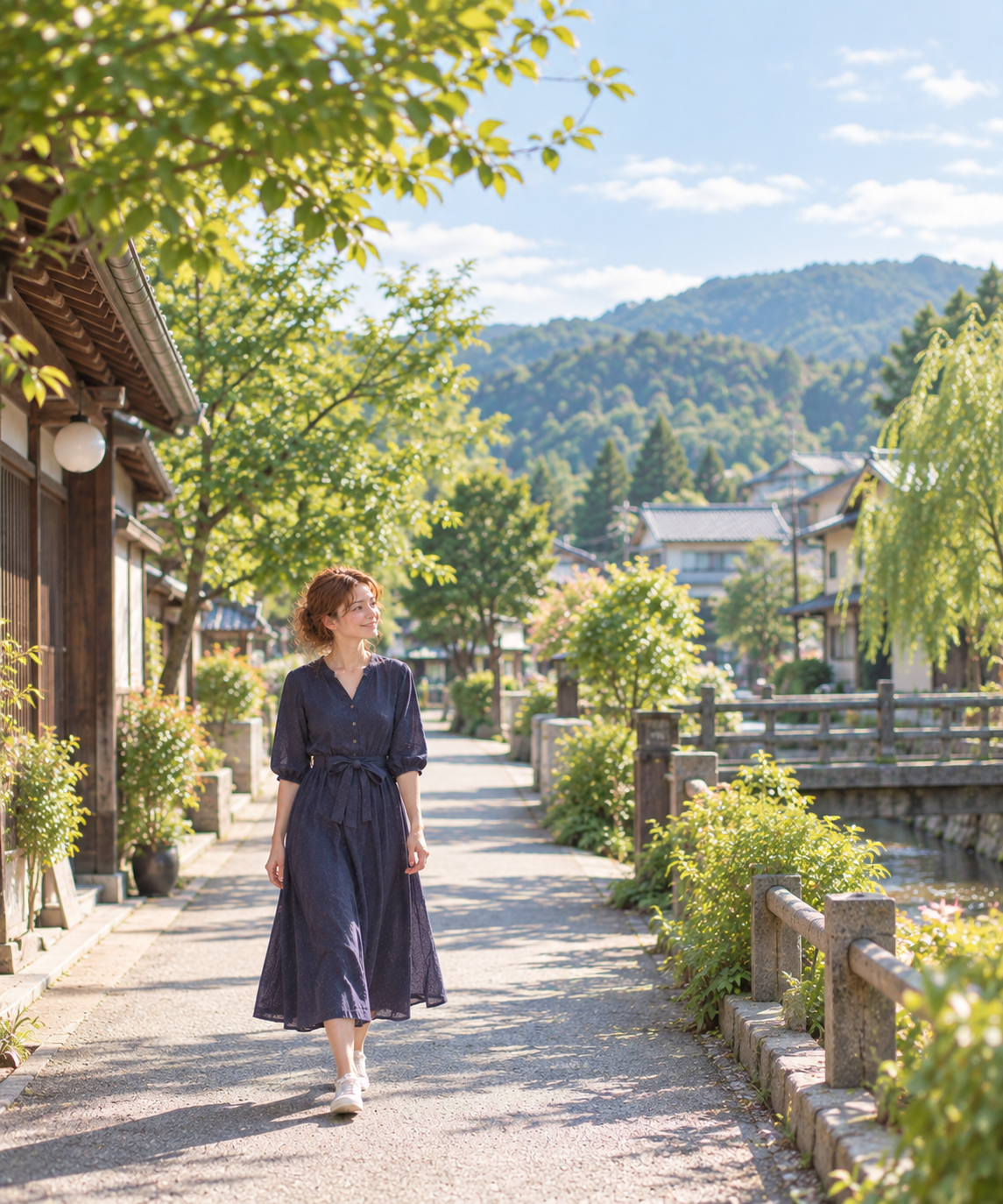
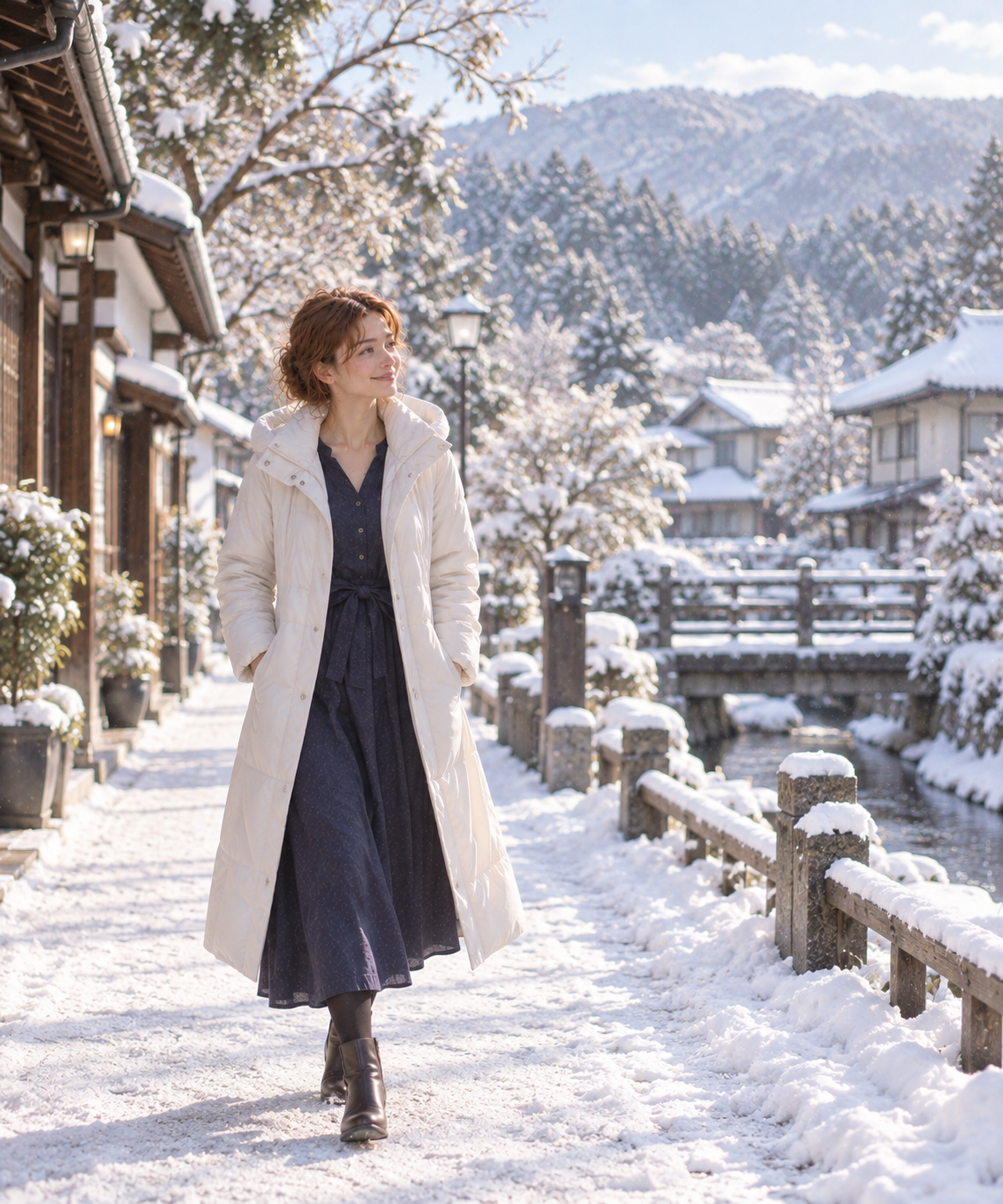
Tatsunokuchi reveals distinct charms across the year—from vibrant lush greenery in early summer to peaceful snowy streets and snow-crab feasts during winter.
*Conceptual image generated by AI. Actual facilities may vary.
*Conceptual image generated by AI. Actual facilities may vary.
Official Resources & Further Reading
For real-time operational updates, seasonal shuttle reservations, event schedules, and room availability, please visit the official websites:
- Nomi City Tourism Association: Nomi City Tourism & Community Development Association (Official Website)
- Ishikawa Prefecture Official Travel Guide: Hot Ishikawa Travel Net (Official Ishikawa Tourism League)
- Matsusaki Ryokan: Kanazawa Tatsunokuchi Onsen Matsusaki (Official Website)
- Ryotei Manyo: Tatsunokuchi Onsen Ryotei Manyo (Official Website)
Comprehensive Travel Disclaimer & Important Notes
- AI-Generated Concept Visuals: The illustrations and imagery featured throughout this article are artistic concept visuals generated with artificial intelligence (AI) designed to convey the mood, tranquility, and aesthetic atmosphere of the hot spring region. They do not depict literal, photographic representations of the physical facilities, individual guest rooms, or specific seasonal culinary courses. For exact architectural photos and current room layouts, please refer directly to each ryokan’s official website.
- Information Accuracy, Rates & Operational Changes: While this guide has been curated with meticulous attention to detail based on direct observations, official documents, and authentic guest records, property details—including room amenities, meal presentation styles (in-room vs. private dining halls), complimentary shuttle schedules, seasonal menus, and pricing—are subject to periodic updates, architectural renovations, and seasonal adjustments. All stated rates and figures serve strictly as approximate guidelines. Readers are advised to verify all current booking terms, cancellation policies, and operational details directly with the lodging providers or transit authorities prior to departure.
- Health, Wellness & Onsen Etiquette: Descriptions of the local hot spring waters focus entirely on physical texture, sensory qualities, and cultural tradition; they do not constitute medical advice or therapeutic guarantees of healing. Guests with underlying health conditions, cardiovascular considerations, pregnancy, or high sensitivity to temperature fluctuations should consult a medical professional regarding onsen bathing and practice self-paced, responsible hydration and soaking times.
- Dietary Requirements & Allergens: Kaiseki ryokan cuisine heavily relies on traditional dashi broth, regional seafood, and seasonal produce. Travelers with strict dietary preferences, severe food allergies, or specific religious dietary requirements must communicate their needs directly to the ryokan well in advance to confirm whether customized preparation is feasible.
- Travel Planning, Budgeting & Third-Party Services: Travelers are solely responsible for managing their own personal safety, financial planning, travel insurance coverage, and itinerary schedules. The author and publisher assume no liability for travel disruptions, transportation cancellations, weather-related delays, personal losses, or discrepancies arising from transactions with third-party transport operators or booking platforms.

Comments